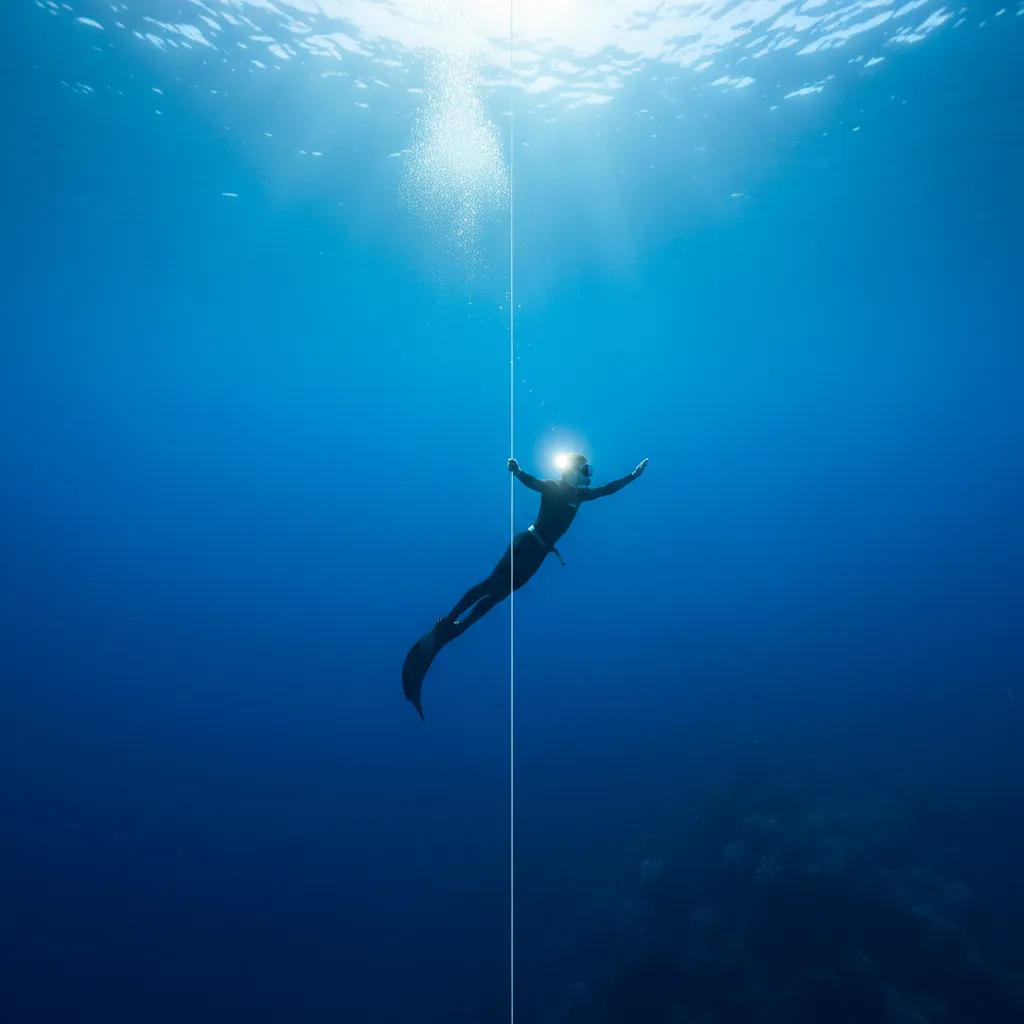
Best Freediving Destinations
Freediving strips diving to its purest essence - one breath, one descent, one moment of perfect connection with the ocean. Without the noise of a regulator or the bulk of a tank, freedivers experience the underwater world in its most natural state, hearing the clicks of dolphins, feeling the pulse of the current, and moving with a grace that scuba gear simply does not allow. These destinations offer the warm, clear, calm conditions that freedivers need, combined with depth access, training facilities, and the kind of marine encounters that make a single breath feel like a lifetime.
12 destinations in this collection
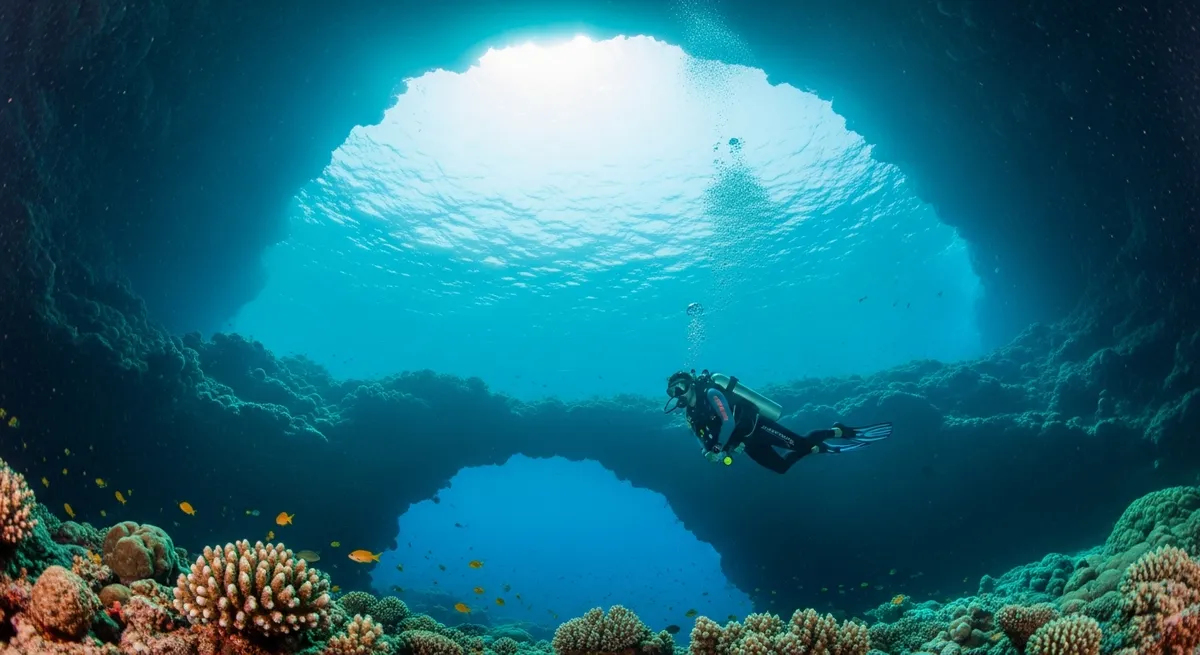
Dahab, Egypt
Egypt
The world's freediving capital - the Blue Hole offers deep water from shore in warm, calm conditions with a thriving freedive community.
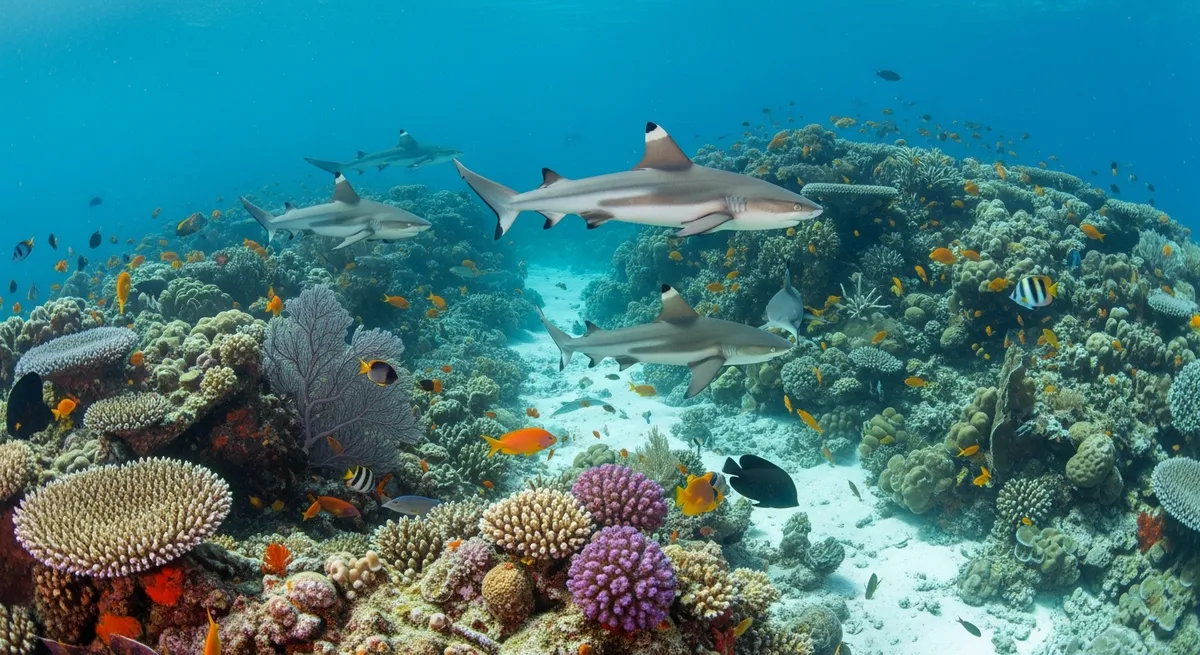
Dean's Blue Hole, Bahamas
Bahamas
The world's deepest blue hole at 202m - the premier venue for competitive freediving and the site of multiple world records.
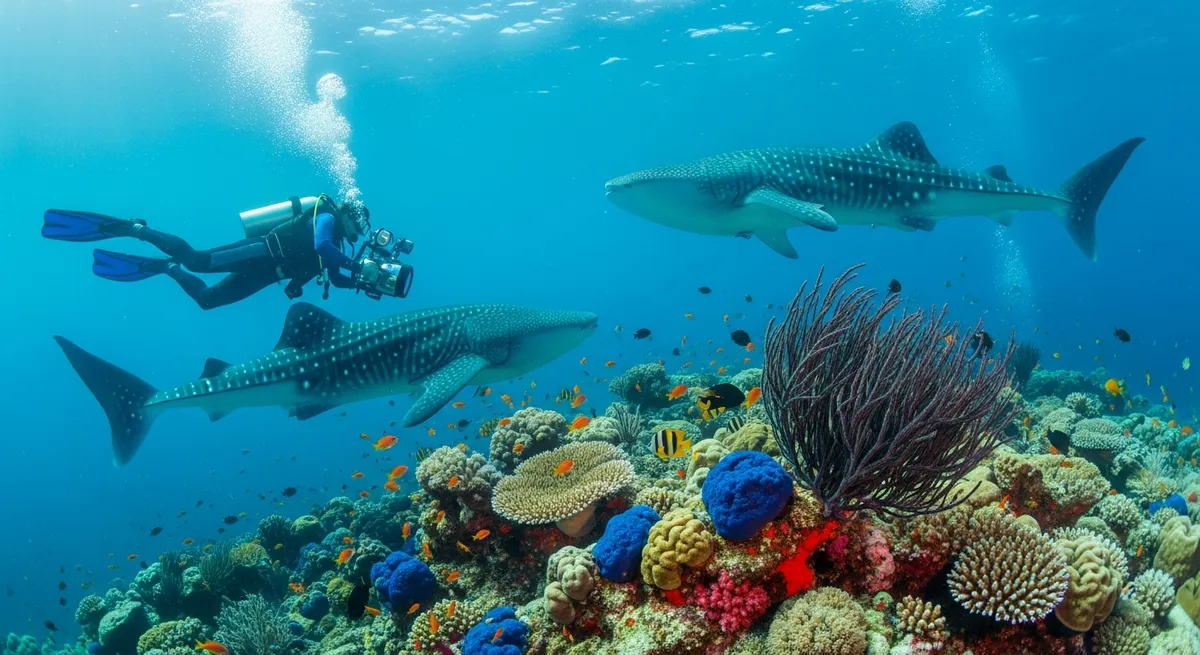
Koh Tao, Thailand
Thailand
Warm Gulf of Thailand waters with multiple freediving schools, deep water access, and a vibrant freediving social scene.
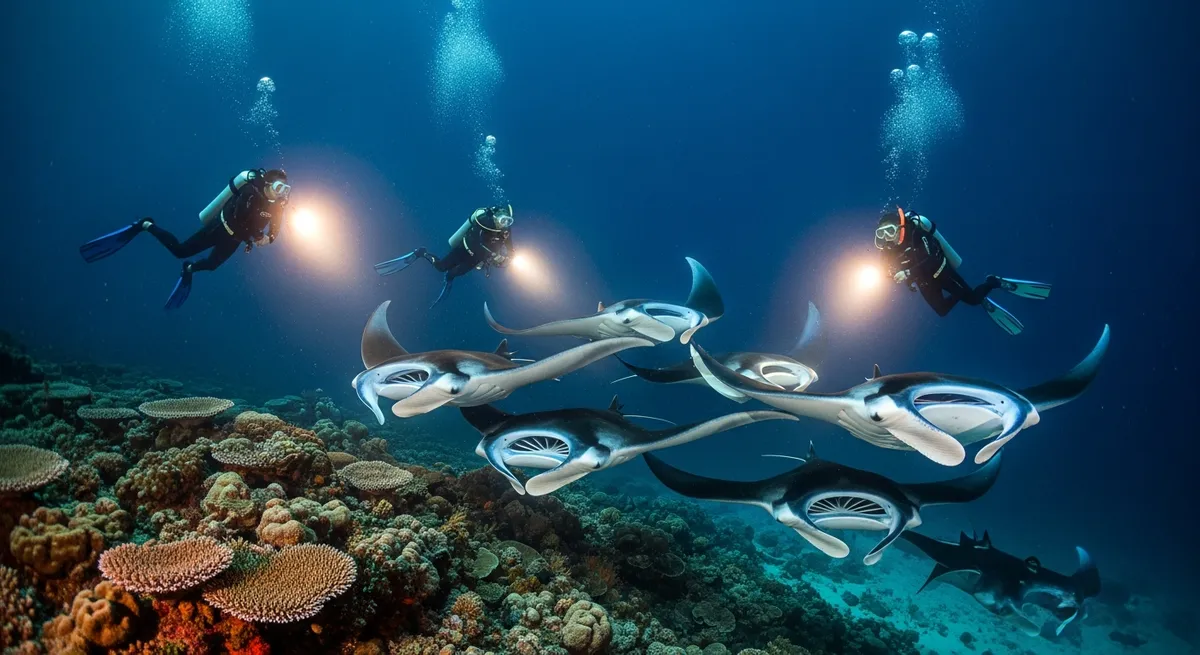
Hawaii, USA
United States
Warm Pacific water with spinner dolphins, manta rays, and humpback whales - freediving encounters at their most magical.
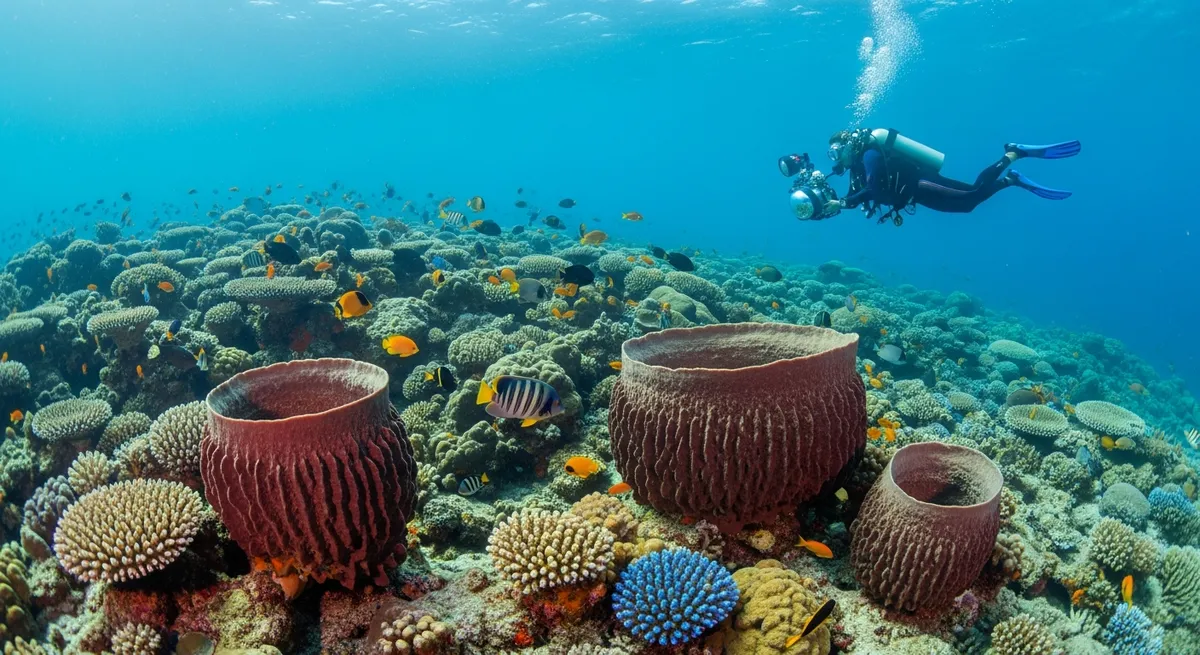
Cozumel, Mexico
Mexico
Crystal-clear Caribbean visibility and gentle currents make Cozumel ideal for recreational freediving on pristine coral reefs.
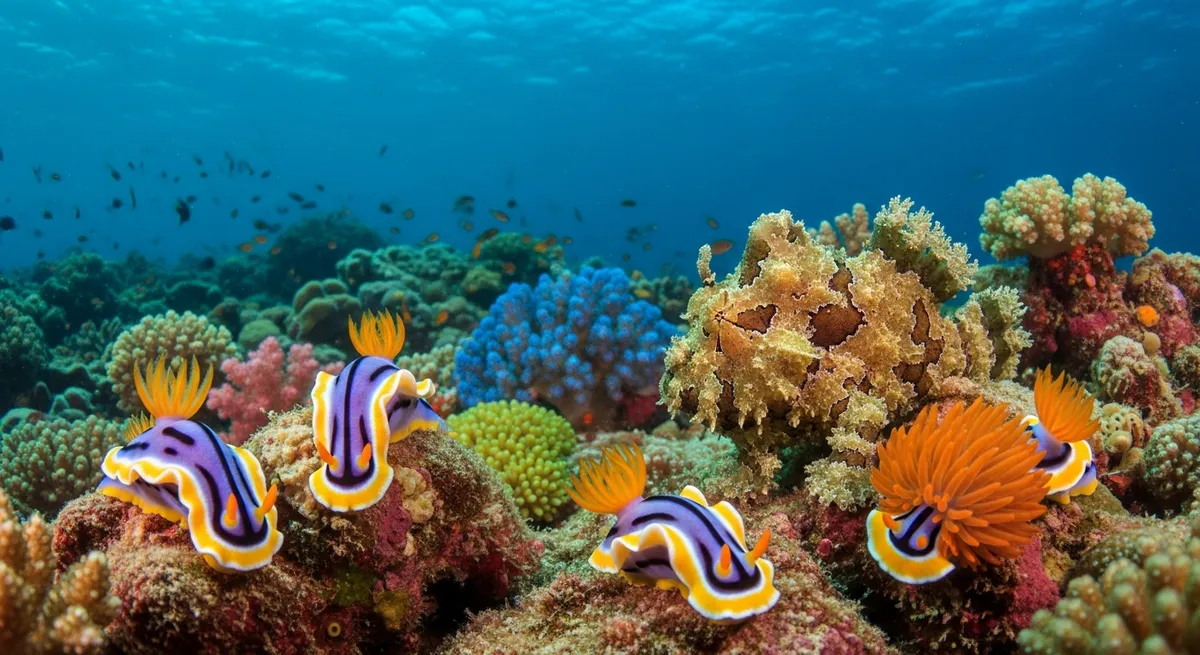
Anilao, Philippines
Philippines
Warm water, incredible macro marine life, and a growing freediving scene with experienced instructors and deep access.
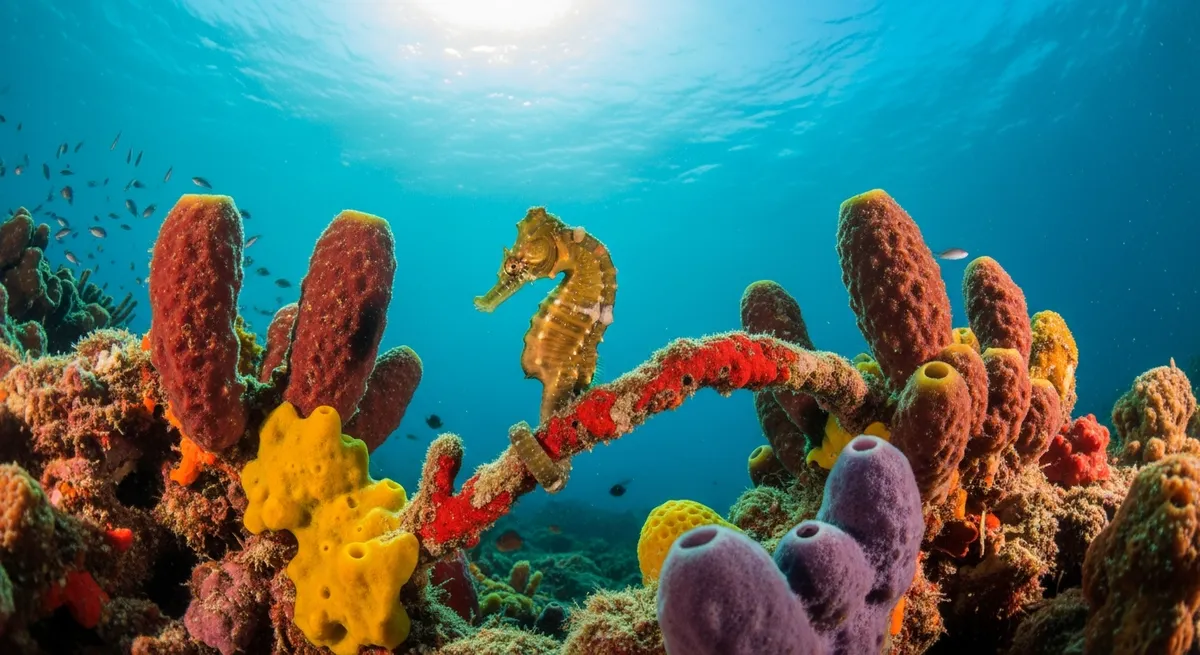
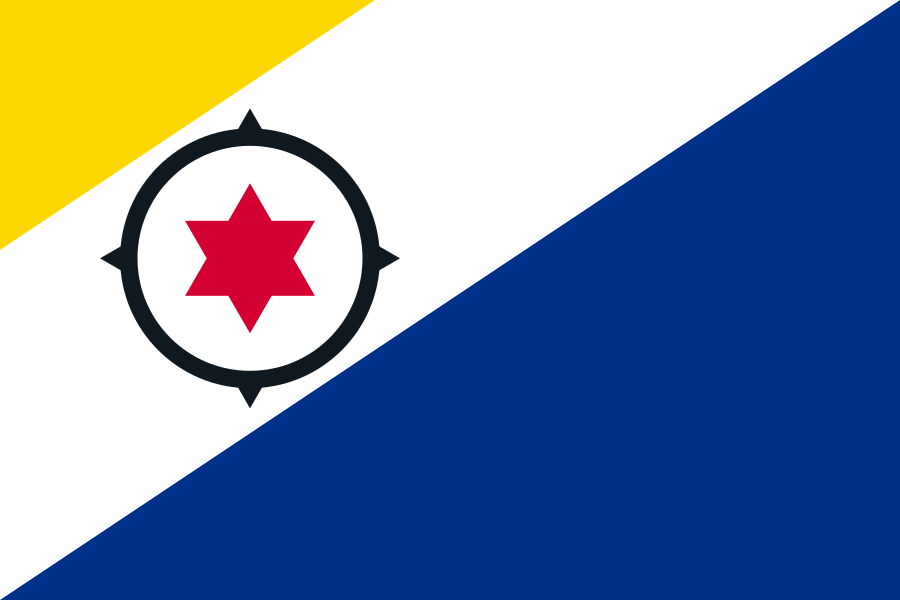
Discover Bonaire's West Coast, a top freediving haven renowned for its exceptionally calm, crystal-clear waters and minimal currents. Enjoy unparalleled shore access to vibrant, healthy reefs and impressive drop-offs, making it ideal for both beginners and advanced freedivers to explore abundant marine life just meters from the beach.
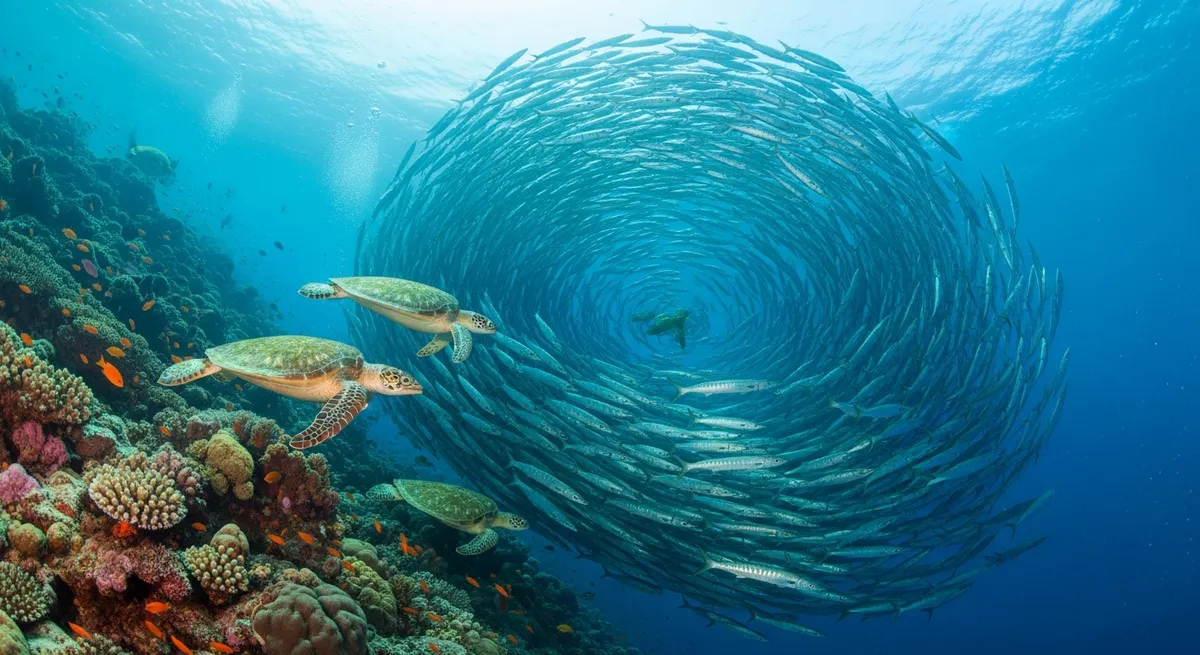

Sipadan's spectacular sheer underwater walls plunge hundreds of meters, offering freedivers exceptional vertical training grounds for deep dives. Explore its unparalleled biodiversity, encountering massive schools of barracuda, majestic turtles, and reef sharks up close in crystal-clear waters, making every breath-hold dive an unforgettable encounter with nature.
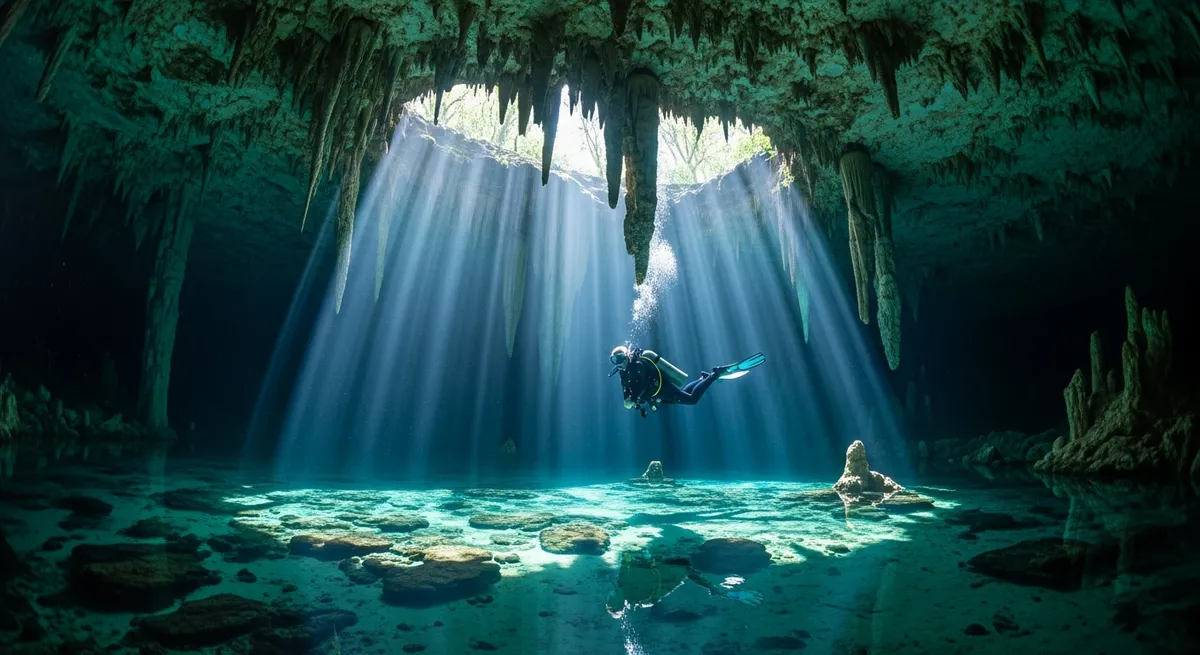
The Yucatán Cenotes offer unparalleled freshwater freediving with crystal-clear visibility and mesmerizing light beams. Explore ancient caverns and unique formations, honing your breath-hold skills in a truly mystical and otherworldly environment.
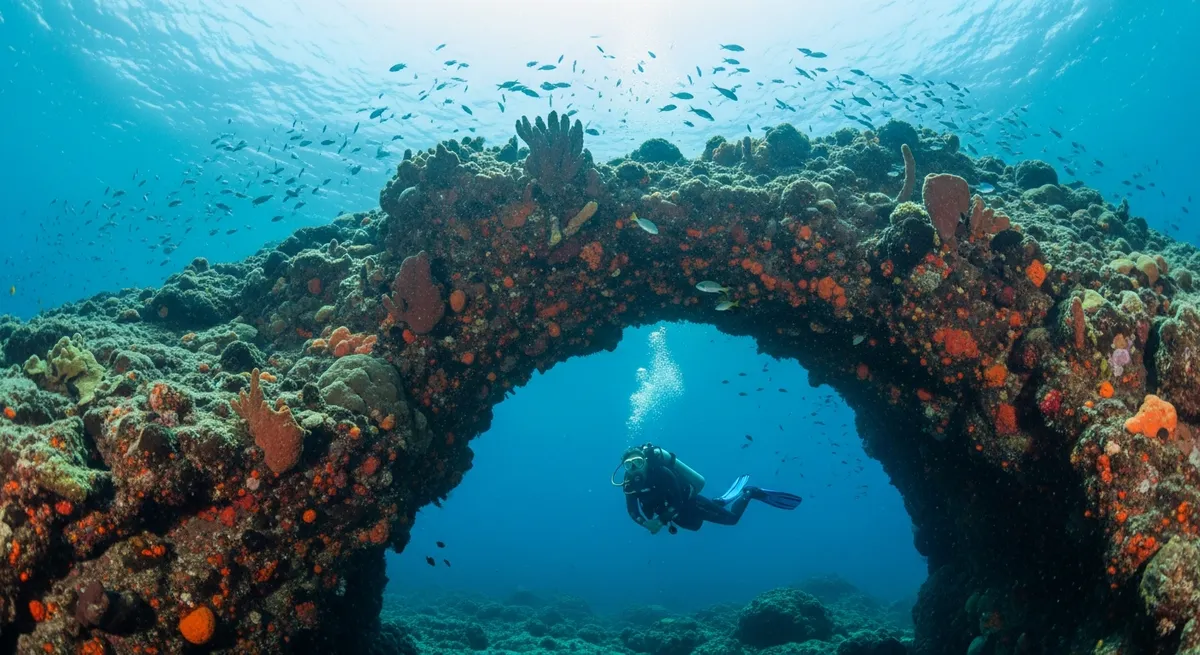

El Hierro offers an exceptional freediving experience with dramatic volcanic drop-offs just meters from shore, allowing immediate access to profound depths. Its superb visibility and rich marine reserves provide an unparalleled playground for exploring vibrant ecosystems and testing your limits in crystal-clear waters.
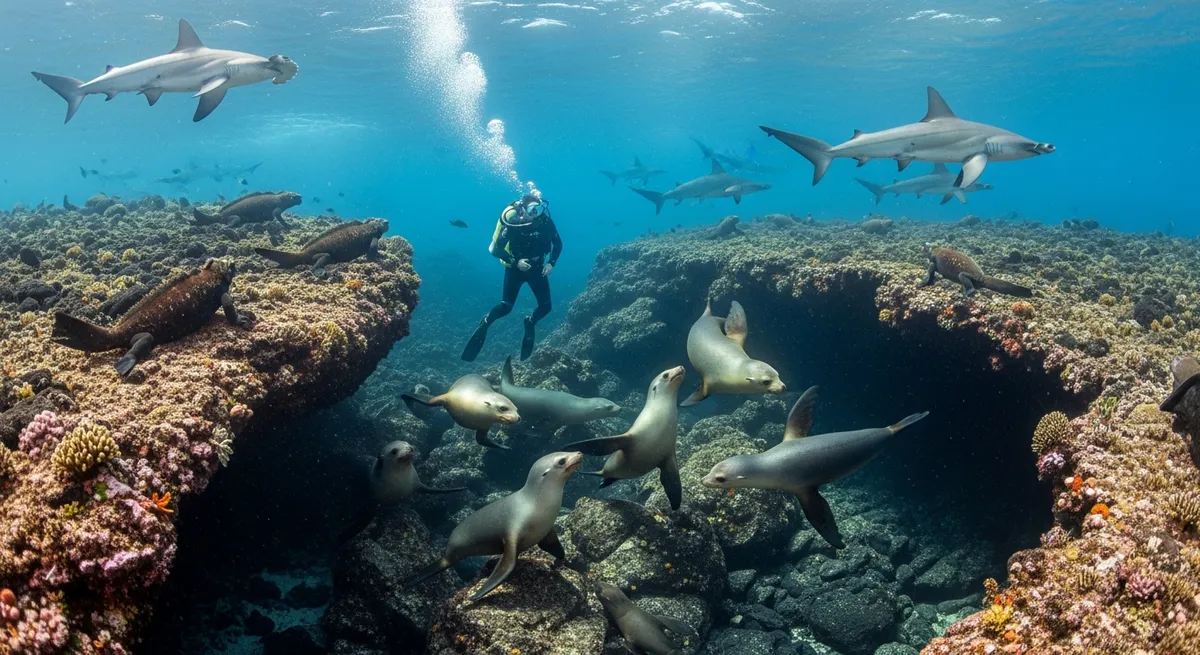
For freedivers seeking extraordinary encounters, the Galápagos Islands offer unparalleled opportunities to witness unique marine life up close. Dive alongside playful sea lions, encounter various shark species, and observe marine iguanas foraging underwater. While often challenging with strong currents, the reward of experiencing this pristine, untamed ecosystem makes it a truly bucket-list freediving destination.
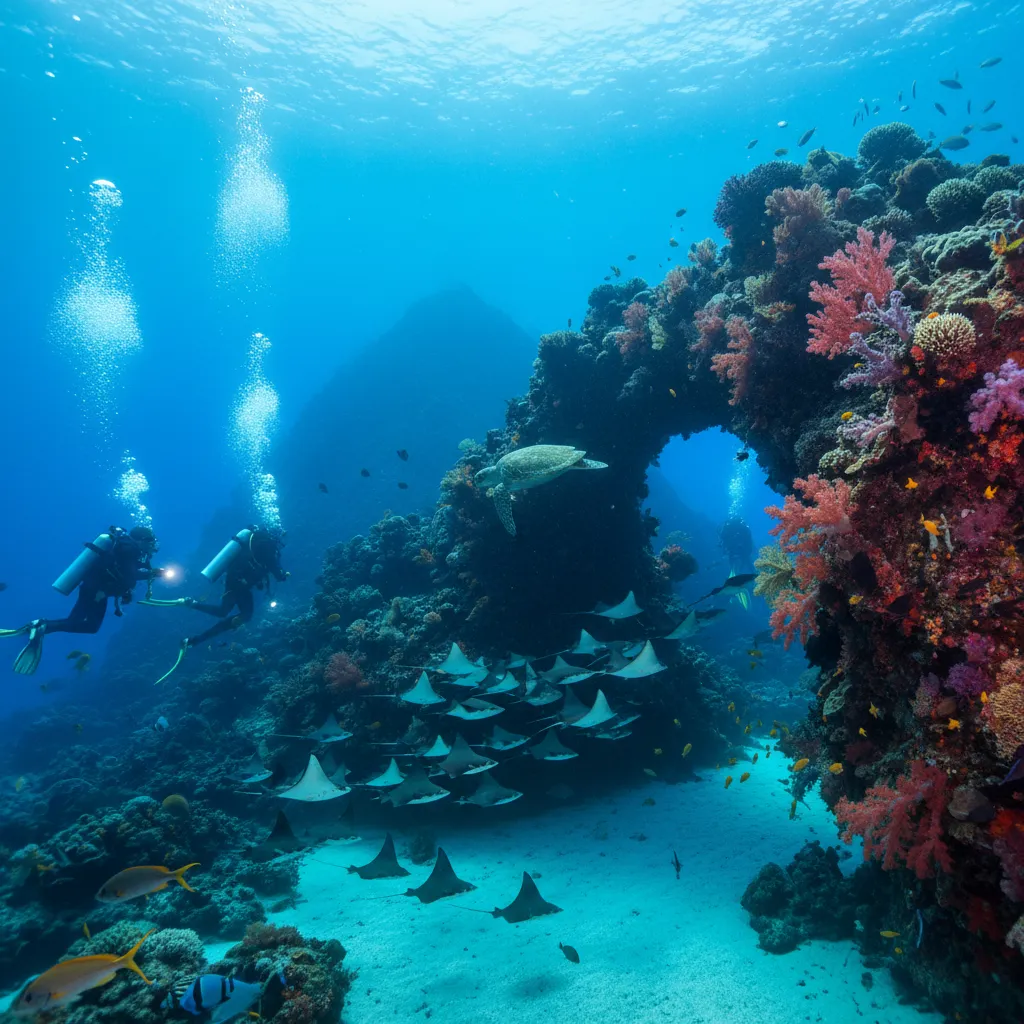

The Azores offers unparalleled freediving opportunities to encounter magnificent pelagic species in deep, open ocean environments. Freedive alongside whales, dolphins, and various sharks in incredibly clear waters, experiencing profound wildlife interactions perfect for breath-hold enthusiasts seeking true marine wilderness.
About This Collection
What Makes a Great Freediving Destination?
Freedivers need warm water (cold triggers the mammalian dive reflex more aggressively), excellent visibility (depth orientation is critical when you cannot check a computer mid-dive), calm surface conditions (choppy water wastes energy on the surface), and access to depth. The ideal freediving site has a vertical drop-off or deep blue water close to shore, a calm bay for training, and water temperatures above 26°C so that a thin wetsuit or rash guard provides enough warmth without restricting chest expansion for the crucial last breath before descent.
Freediving with Marine Life
Many marine animals respond differently to freedivers than to scuba divers. Without bubble noise, dolphins often approach closer and stay longer. Whale sharks seem more relaxed around breath-hold divers. Manta rays continue their cleaning station circuits undisturbed. Some of the most intimate marine life encounters possible are on a single breath - the silence is part of the magic.