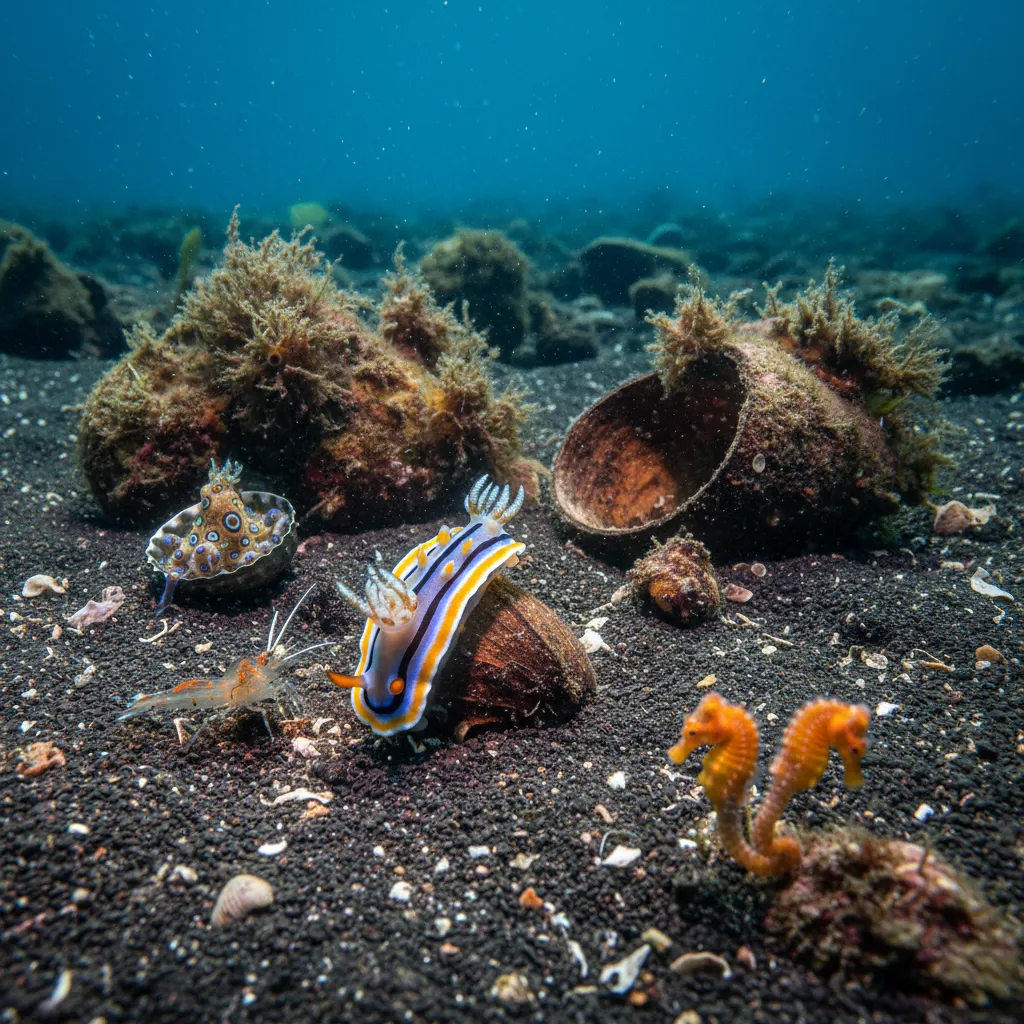
Best Muck Diving Destinations
Muck diving is the scuba diving world's best-kept secret. Forget crystal-clear water and colourful coral gardens - muck diving takes place on dark volcanic sand slopes, muddy harbour floors, and rubble-strewn bay bottoms that look thoroughly uninspiring from the surface. But beneath the unpromising exterior lies a world of the weirdest, rarest, and most behaviourally fascinating creatures in the ocean. Mimic octopuses shapeshifting between species, hairy frogfish luring prey with their built-in fishing rod, flamboyant cuttlefish strutting across the sand in psychedelic colours, and blue-ringed octopuses pulsing with warning patterns - muck diving delivers encounters that no coral reef can match. For divers who value the bizarre, the tiny, and the extraordinary, muck diving is addictive.
12 destinations in this collection
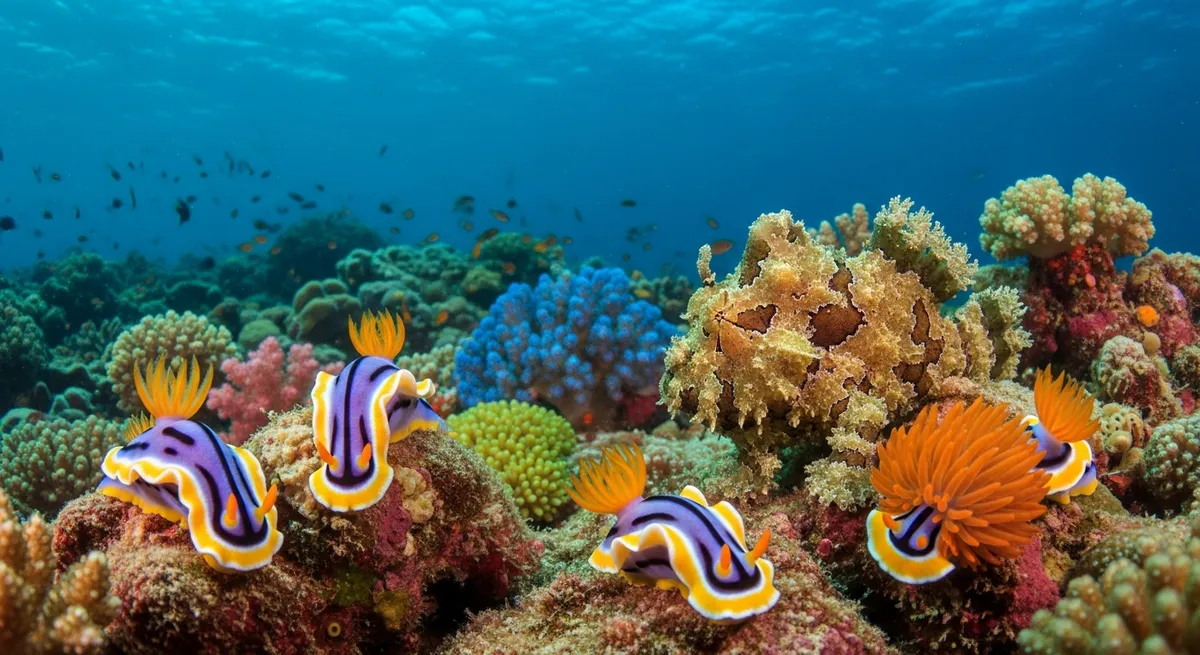
Anilao in Batangas province is the Philippines' premier muck diving destination and the most accessible critter capital in Asia - just a 2-hour drive from Manila. Frogfish in every colour, blue-ringed octopuses, flamboyant cuttlefish, wonderpus, and an extraordinary diversity of nudibranchs await on volcanic sand and rubble slopes. The nudibranch diversity alone is staggering.
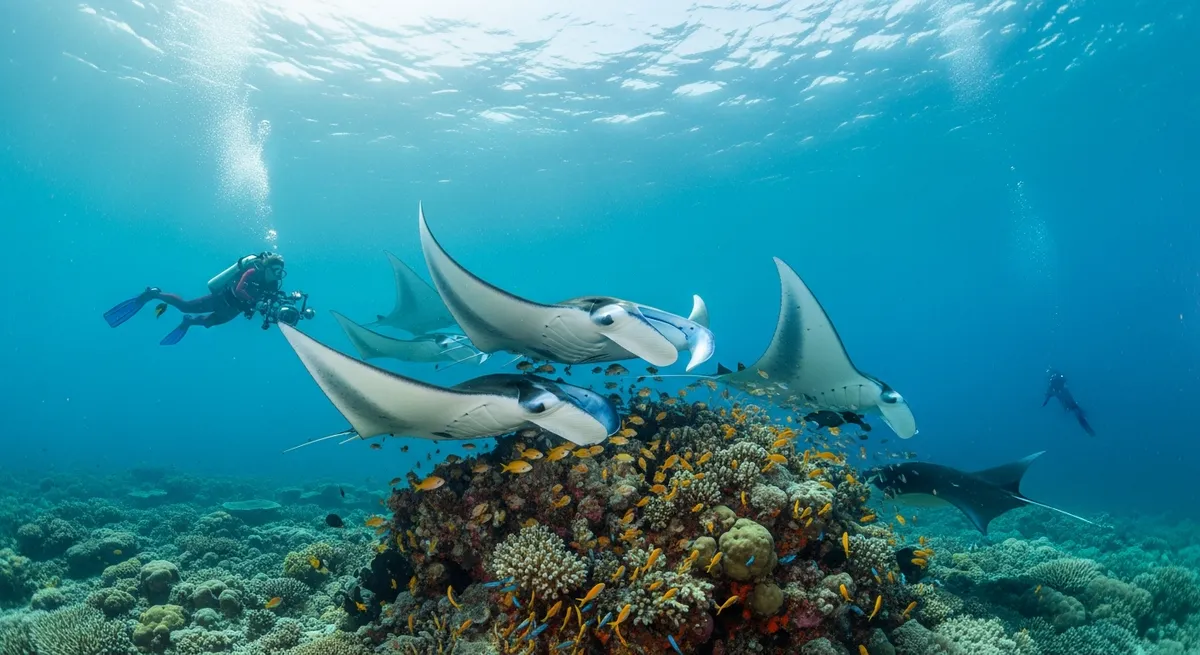
Bali, Indonesia - Seraya & Puri Jati
Indonesia
Bali's northeast coast around Seraya and Puri Jati offers world-class muck diving just minutes from the USAT Liberty wreck. Seraya's volcanic slopes produce ribbon eels, ghost pipefish, and seahorses. Puri Jati's black sand is home to mimic octopuses, bobbit worms, and dragonets. The combination of muck diving and reef diving on the same trip makes Bali exceptionally versatile.
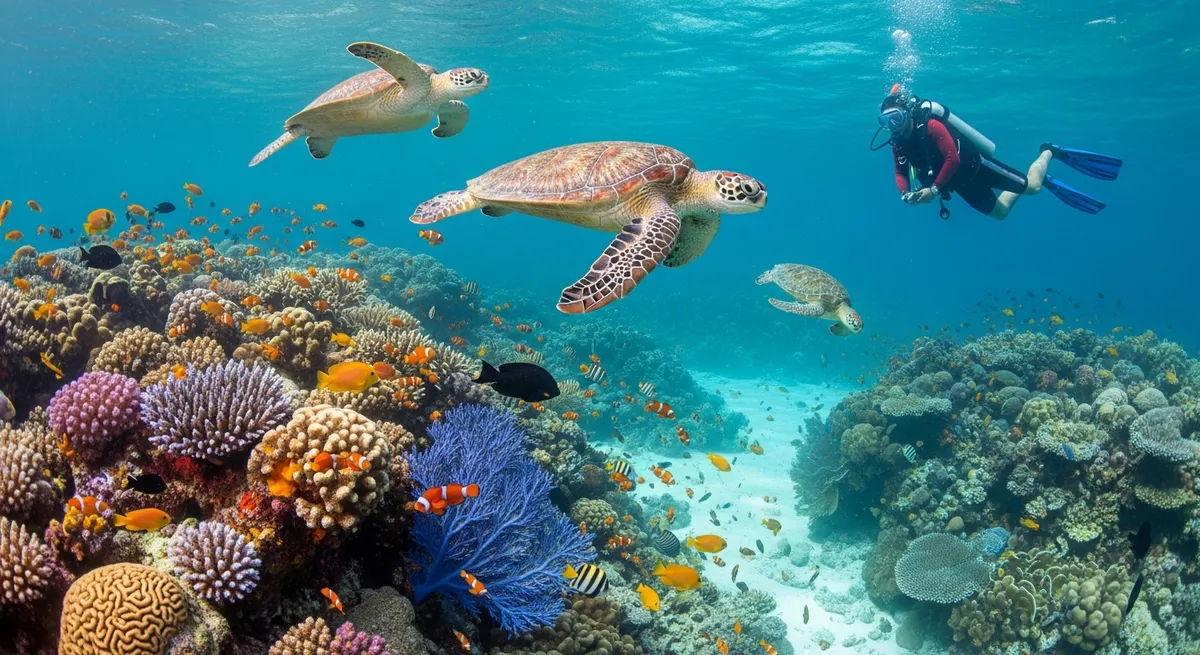
Dumaguete, Philippines - Dauin Muck Diving
Philippines
Dauin, just south of Dumaguete in the Philippines, has emerged as a world-class muck diving destination. The sandy slopes are home to blue-ringed octopuses, frogfish, seahorses, and ghost pipefish. The nearby Apo Island reef provides a coral reef counterpoint. Dumaguete's accessibility, affordable dive operations, and consistently productive muck sites make it increasingly popular with critter hunters.
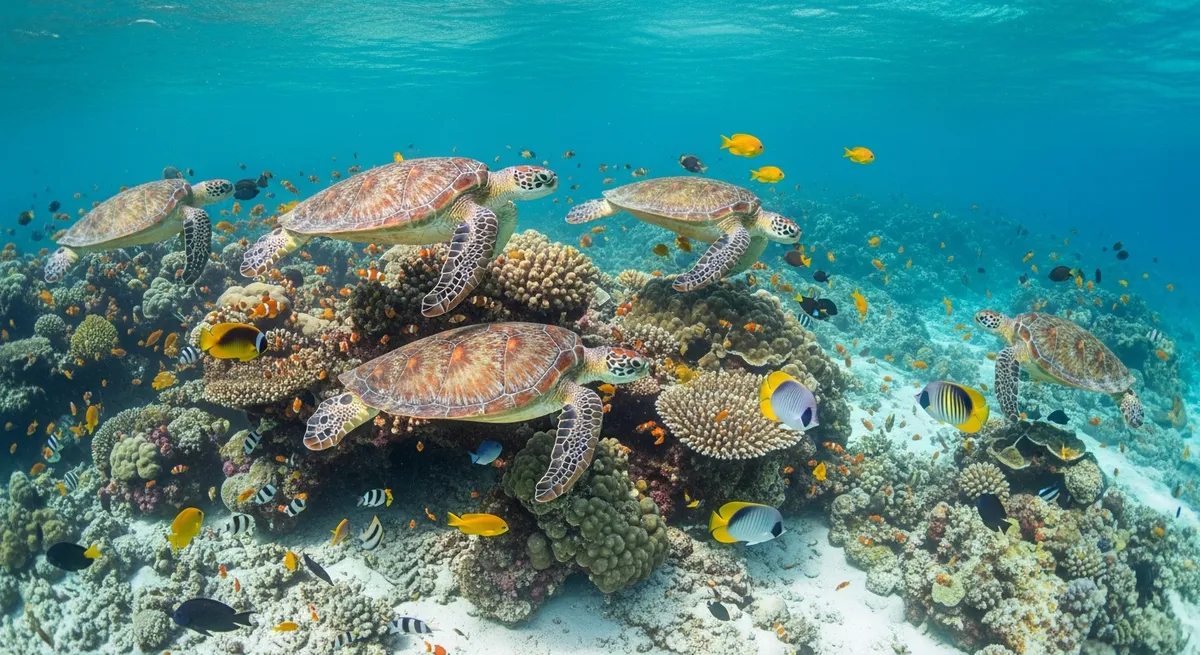
Beyond the popular reefs, Lombok's Secret Gilis and southern sites reveal surprising muck diving treasures. Explore volcanic sands and rubble for a macro wonderland, encountering rare nudibranchs, frogfish, seahorses, and ghost pipefish.
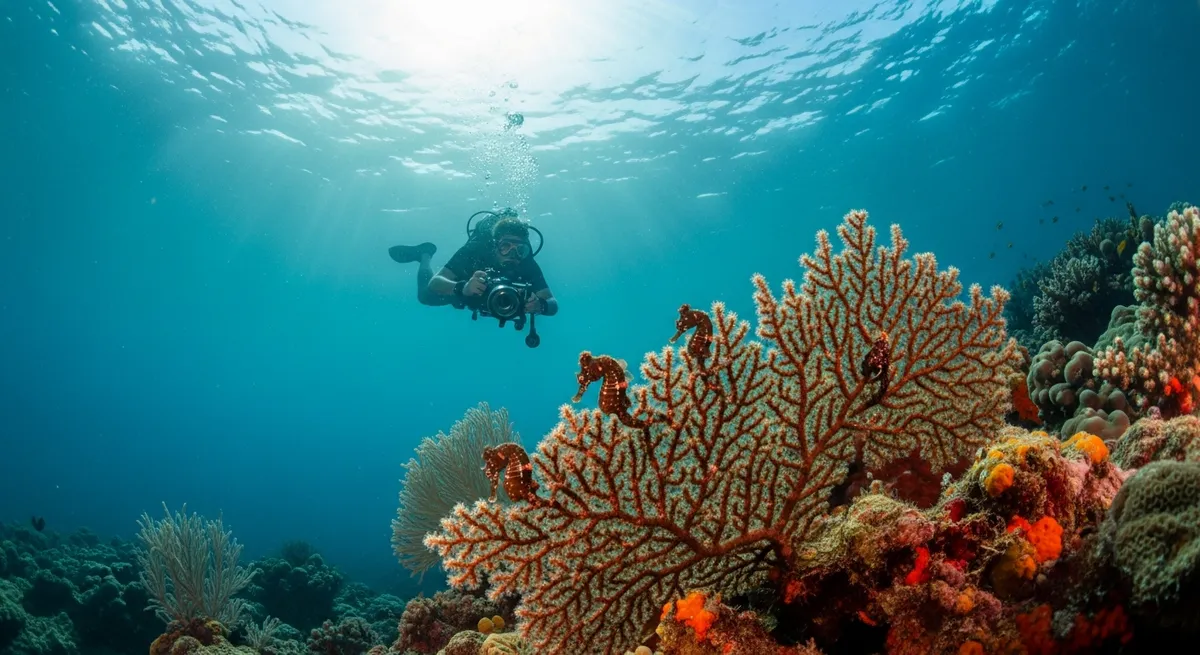
Sulawesi is home to the legendary Lembeh Strait, often dubbed the "Muck Diving Capital of the World." Its nutrient-rich volcanic sands host an unparalleled diversity of rare and bizarre critters, from flamboyant cuttlefish to mimic octopus. This sub-region is a macro photographer's paradise and a must for any serious muck diver.
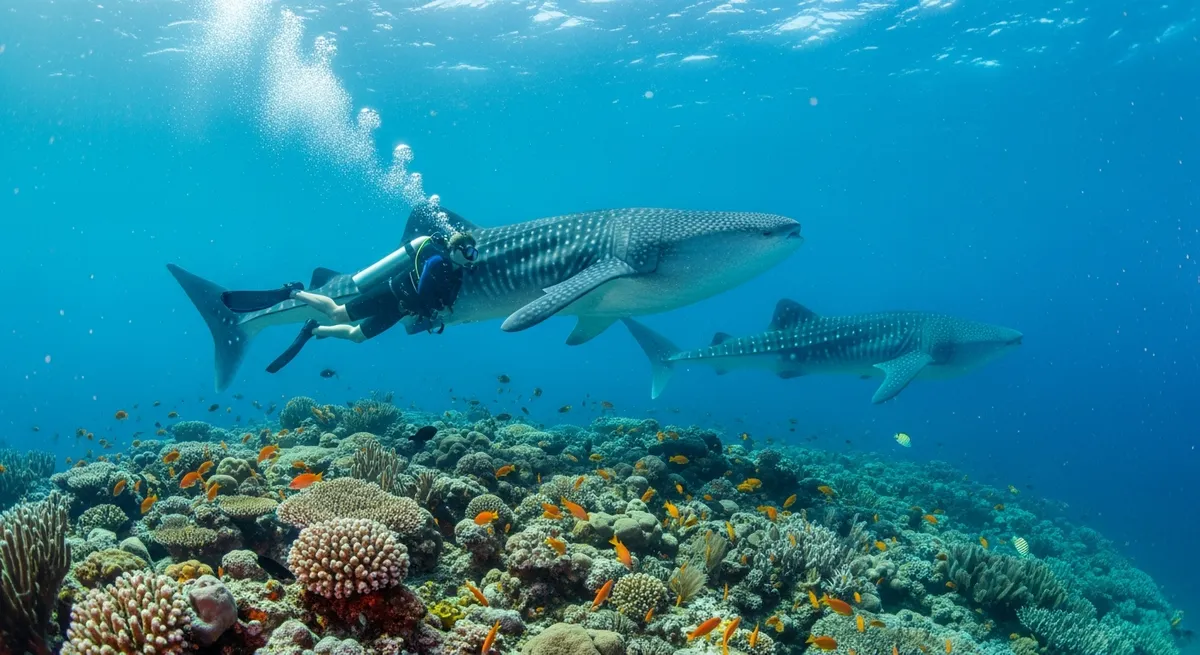

Beyond its famous whale sharks, Mafia Island offers surprisingly rich muck diving opportunities. Explore its pristine sandy flats and expansive seagrass meadows to discover a diverse array of camouflaged critters, from pipefish and ghost pipefish to rare nudibranchs and frogfish.
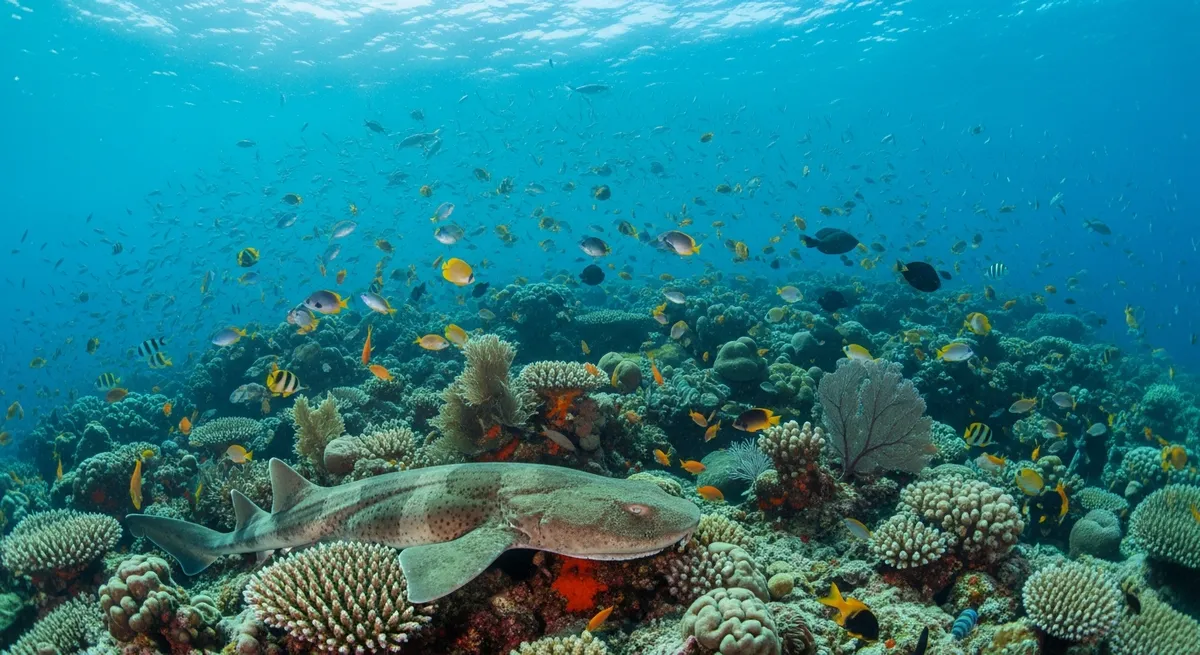
While renowned for its vibrant corals, Raja Ampat also boasts exceptional, often overlooked, muck diving opportunities. Delve into its black sand bays and sheltered coves to discover rare critters like blue-ringed octopuses, frogfish, and a myriad of elusive invertebrates. A macro photographer's unexpected dream destination.
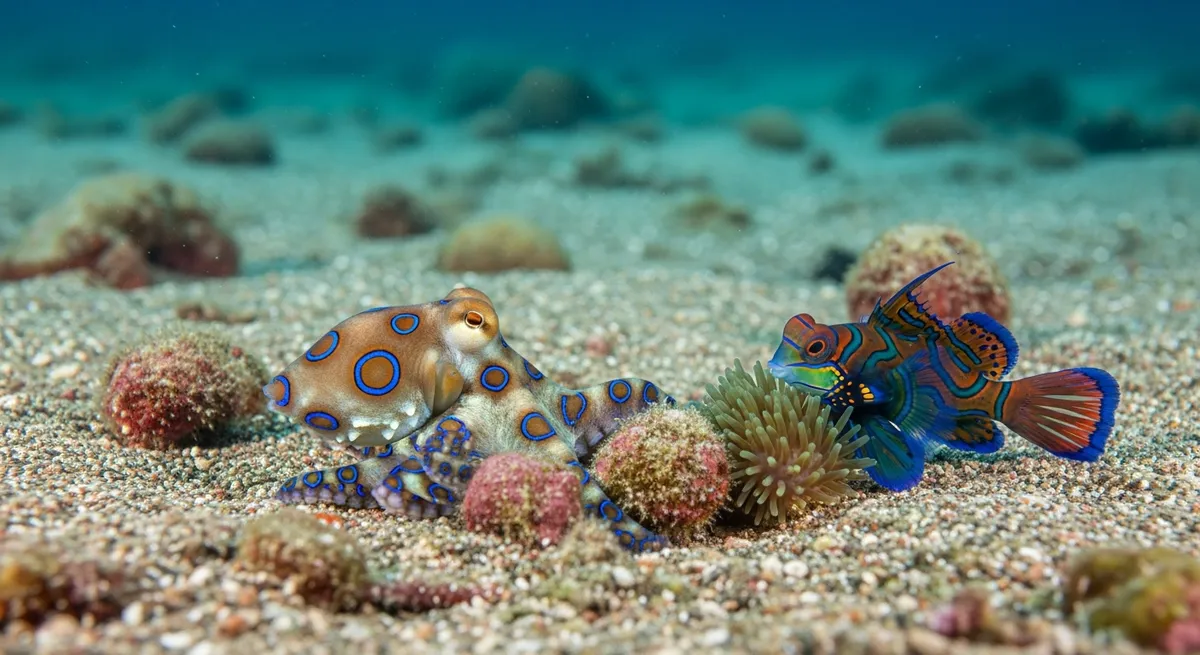

Mabul & Kapalai are world-renowned for their exceptional muck diving. Explore sandy bottoms and artificial reefs to discover an incredible array of rare and unique macro critters, from flamboyant cuttlefish to frogfish, nudibranchs, and mimic octopuses. This destination is a true paradise for underwater photographers and macro enthusiasts.
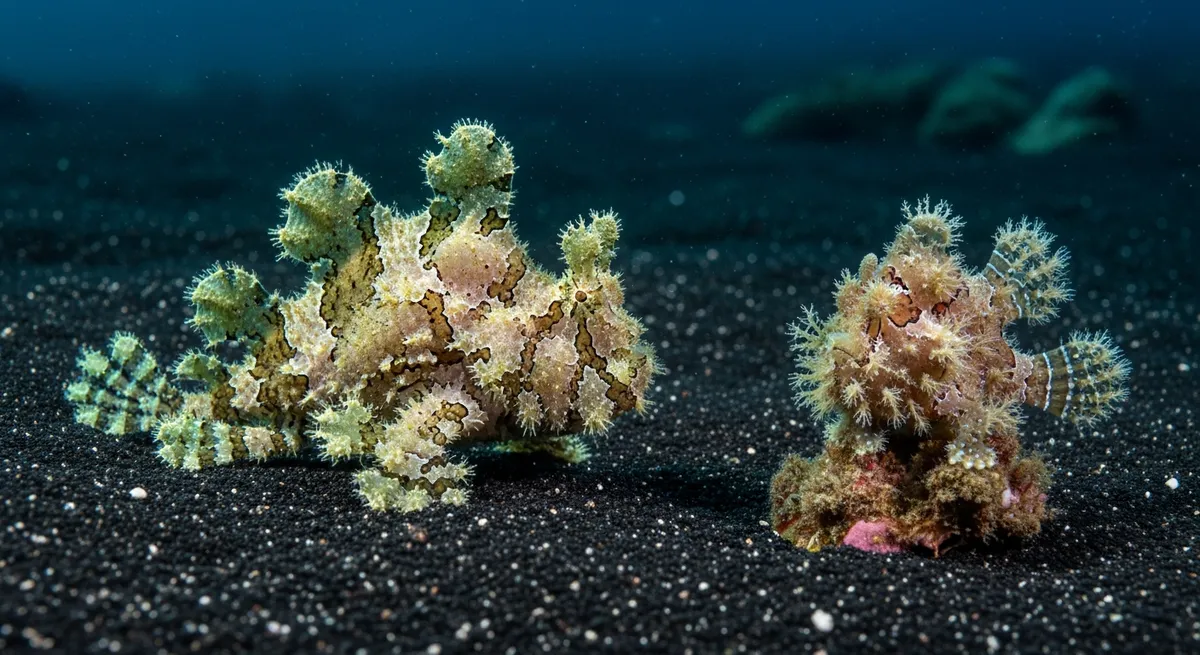
Ambon Bay, nestled in the Maluku Islands, is home to the legendary 'Twilight Zone' dive sites, revered globally for unprecedented macro discoveries. Its nutrient-rich volcanic sands are a unique habitat for rare, cryptic, and often endemic critters, making it a dream destination for photographers seeking species found nowhere else. Prepare for close encounters with psychedelic frogfish, flamboyant cuttlefish, and countless unique nudibranchs.
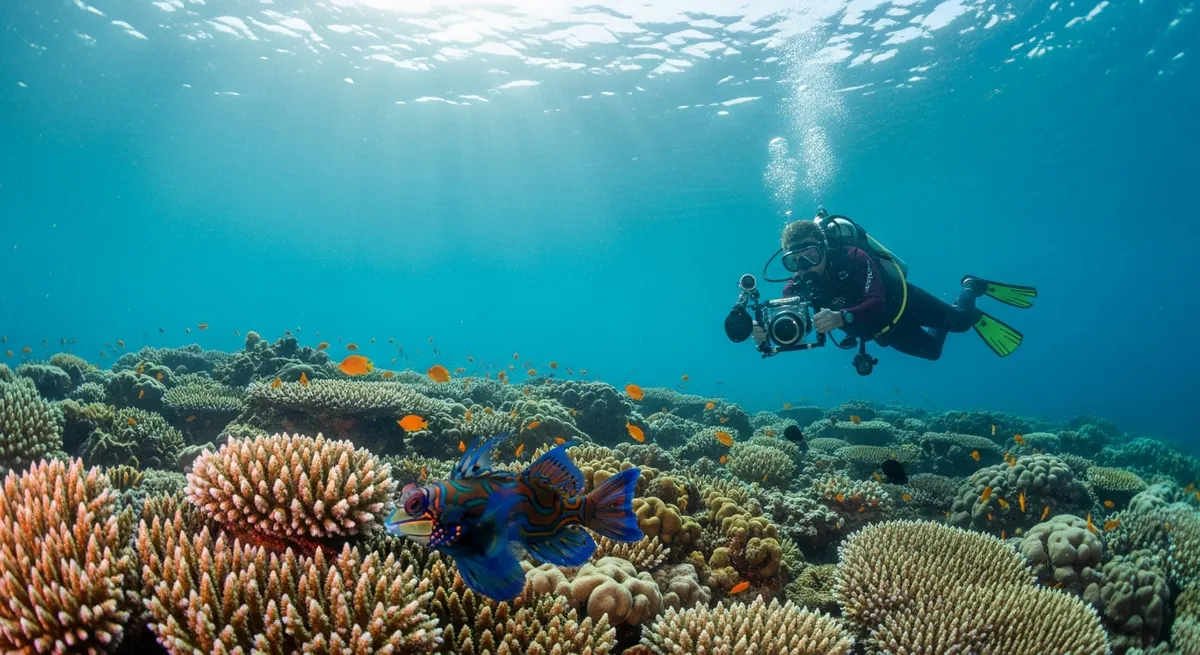
Milne Bay: PNG's Endemic Critter Capital
Papua New Guinea
Milne Bay, a pioneering muck diving hotspot, boasts unparalleled biodiversity and endemic species. Divers explore volcanic sands and vibrant reefs for world-class critter encounters, from pygmy seahorses to flamboyant cuttlefish, making it a macro photographer's dream.
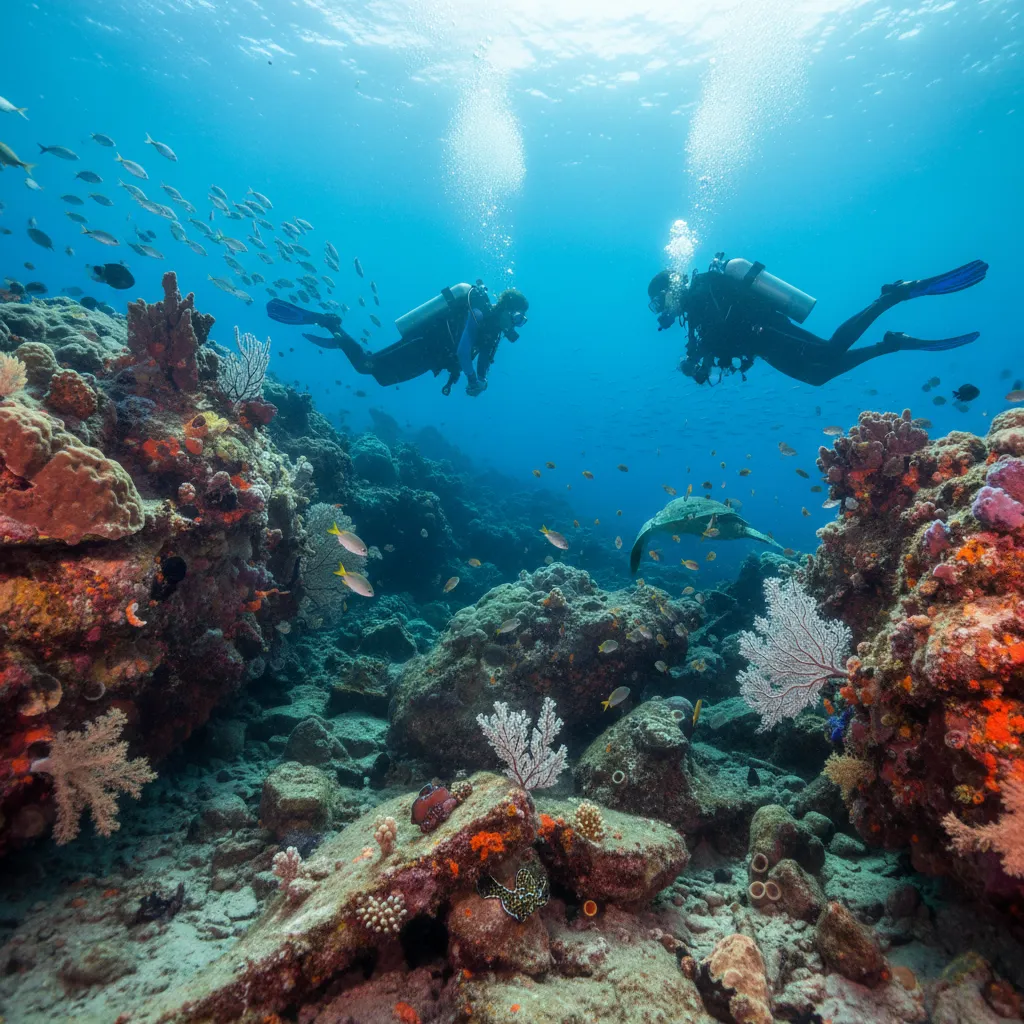

Saranda, an emerging gem in the Philippines, presents an exceptional muck diving experience. Divers will explore fascinating transitions from vibrant, healthy reefs to expansive sandy slopes, both teeming with an incredible variety of macro critters. This unique habitat ensures a rich diversity of rare and captivating marine life, perfect for macro enthusiasts.
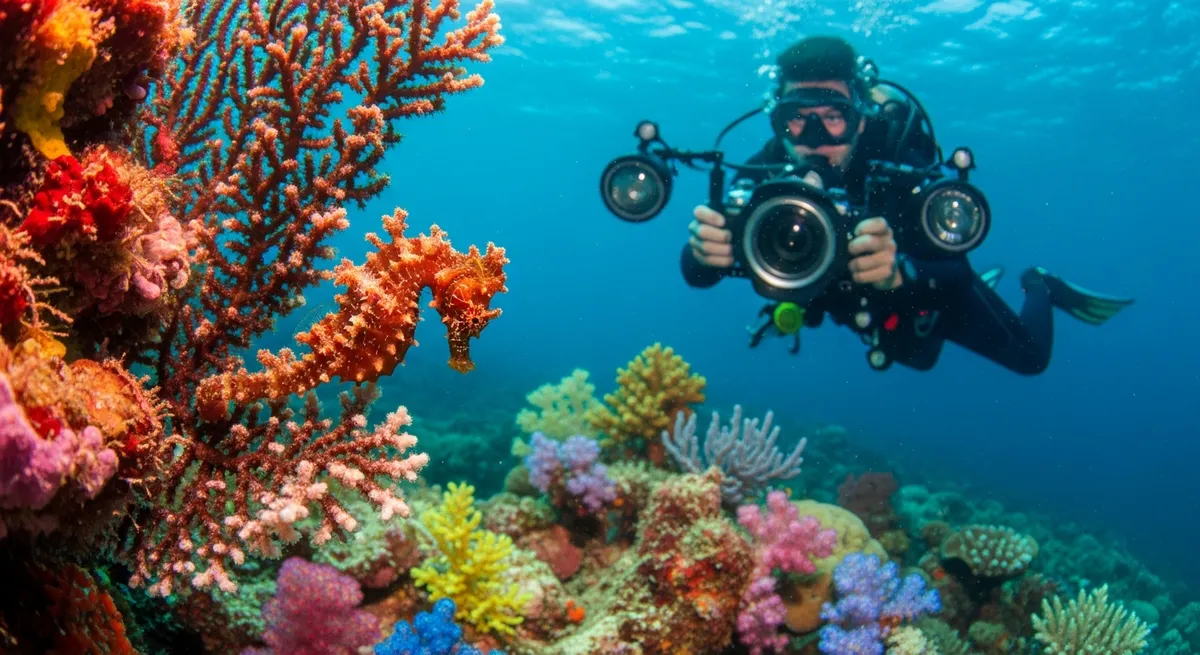
Alor's powerful currents are a diver's challenge that consistently unearths spectacular muck diving opportunities. Here, pristine, untouched sites teem with an astonishing array of rare and bizarre critters, offering truly unique encounters for the discerning macro enthusiast.
About This Collection
Muck diving was born in the 1980s when pioneering divers and marine biologists began exploring the seemingly barren sand and rubble slopes of Indonesia and the Philippines - and discovered an astonishing world of cryptic, camouflaged, and bizarre creatures that had been overlooked by mainstream diving. The term 'muck diving' was coined at Lembeh Strait, which remains the genre's spiritual home and the standard against which all other muck diving destinations are measured.
What makes muck diving special is not the scenery but the creatures. These animals have evolved extraordinary strategies for survival on the open seabed - camouflage so perfect they become invisible, mimicry that imitates other species, bioluminescence, elaborate courtship displays, and hunting techniques that seem to defy belief. Many are found nowhere else and are so small or so well-camouflaged that only a skilled guide with intimate knowledge of the site can locate them.
Muck diving is a photographer's paradise. Macro and super-macro setups reign supreme, and the dark sand backgrounds make for dramatic portraits. The pace is slow, the rewards are extraordinary, and the hit rate for once-in-a-lifetime sightings is higher than on any coral reef.