Best Night Diving Destinations
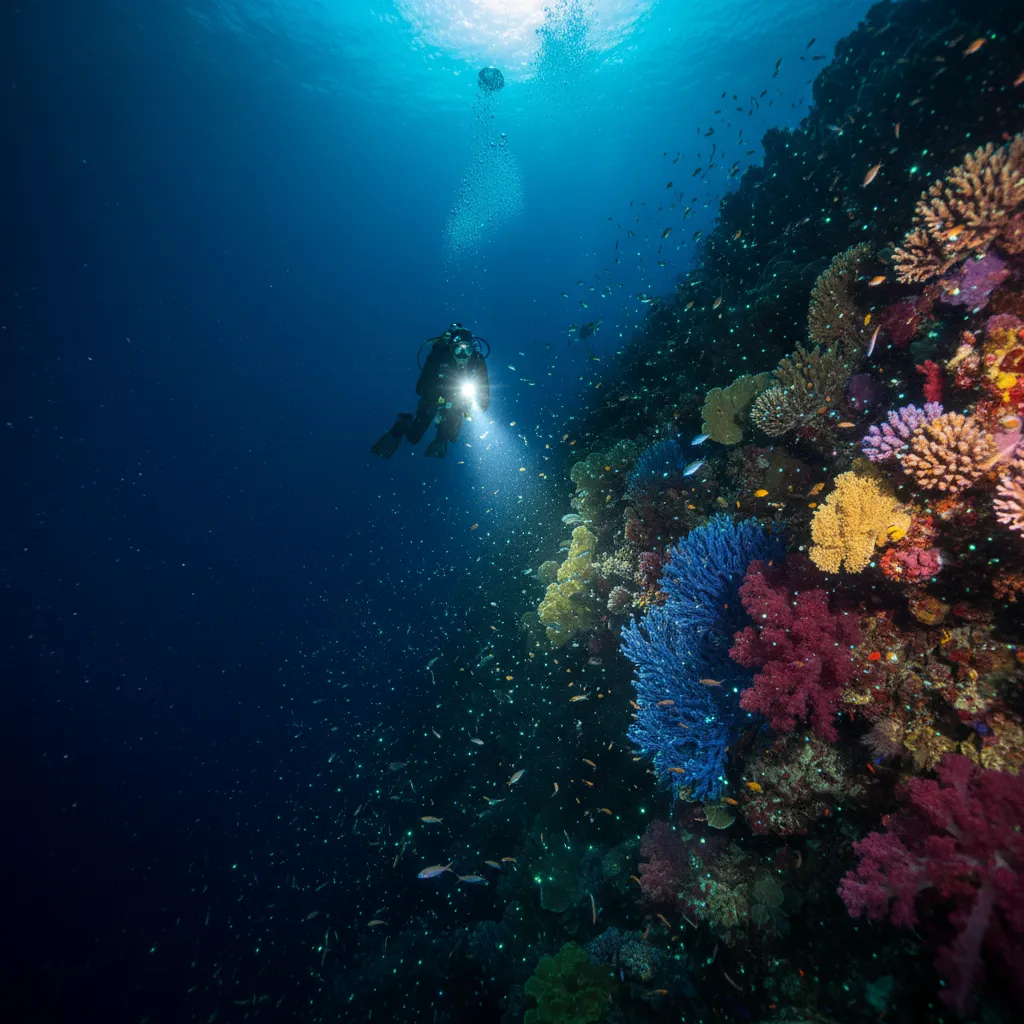
Night diving transforms familiar dive sites into alien landscapes. As the sun sets and the reef awakens with nocturnal life, a completely different cast of characters emerges - bioluminescent plankton trails behind your fingers, octopuses hunt in the open, sleeping parrotfish cocoon themselves in mucus bubbles, and Spanish dancers unfurl their crimson mantles in hypnotic undulating displays. The world's best night diving destinations offer not just darkness, but spectacular after-dark encounters that are impossible during the day, from manta ray feeding frenzies in Hawaii to fluorescent coral displays and the annual coral spawning events of the Great Barrier Reef.
10 destinations in this collection
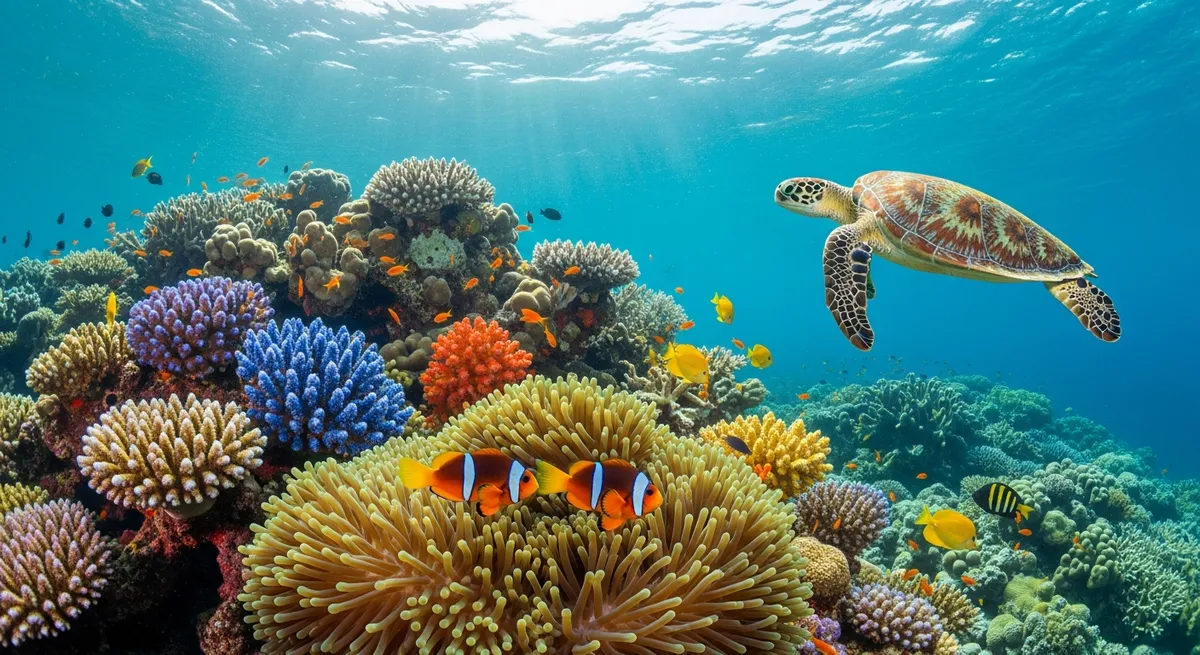

Once a year, usually in November, the entire Great Barrier Reef spawns simultaneously in one of nature's greatest spectacles. Night dives during the spawning reveal billions of coral eggs and sperm bundles rising to the surface like an underwater snowstorm. Even outside spawning season, the reef's night dives reveal reef sharks hunting, cuttlefish displays, and Spanish dancers.
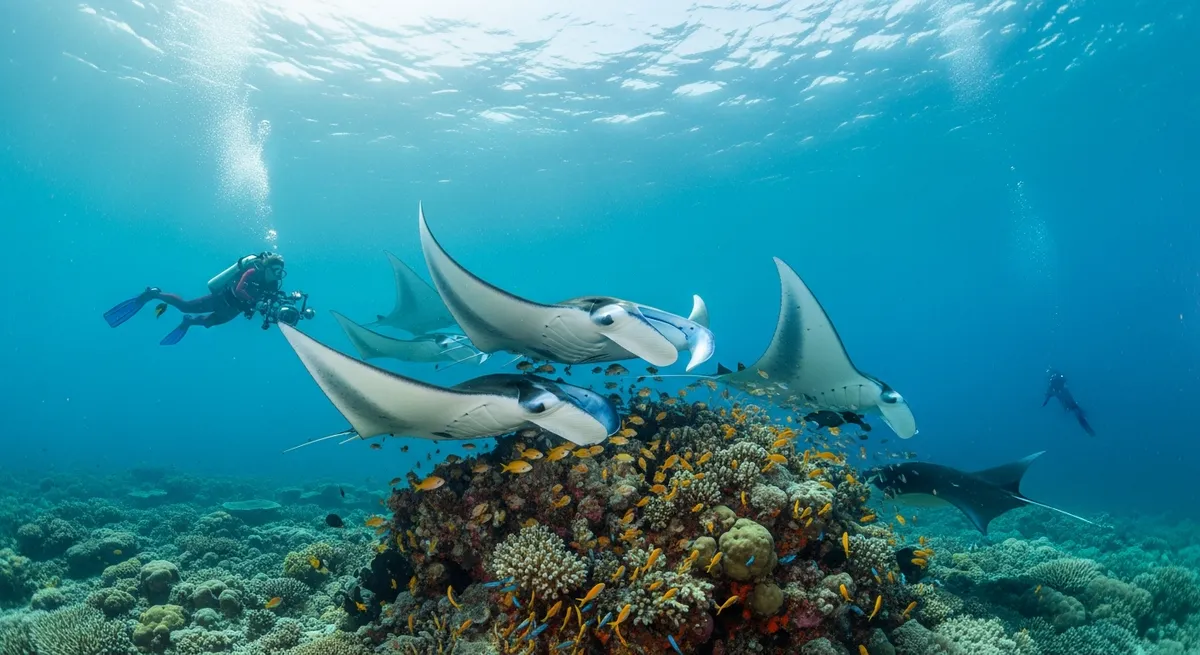

Bali's north coast around Tulamben and Seraya offers extraordinary night muck diving. Bobtail squid, blue-ringed octopuses, stargazers, and an astonishing variety of crustaceans emerge on the black volcanic sand. The USAT Liberty wreck at night is transformed as hunting lionfish, Spanish dancers, and flashlight fish create a mesmerising spectacle.
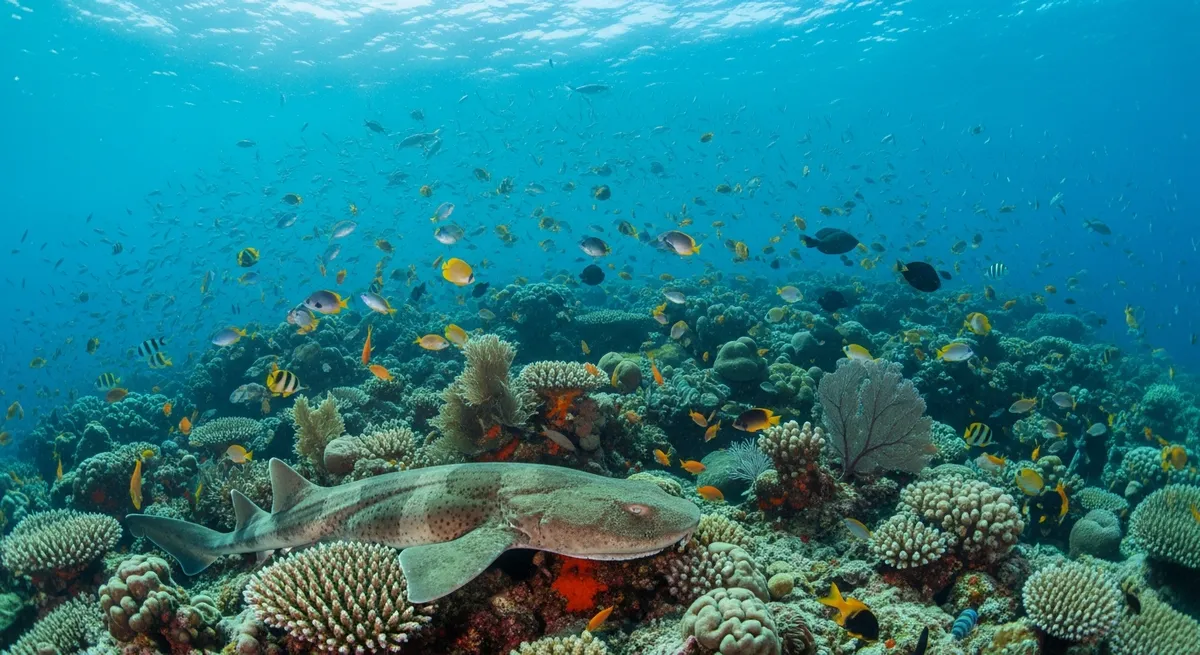
Raja Ampat's night dives offer the chance to see epaulette sharks - the famous 'walking sharks' that use their pectoral fins to walk across the reef flat hunting. These endemic species are found nowhere else and are most active at night. Cuttlefish hunting displays, enormous decorator crabs, and fluorescent hard corals complete the spectacle.
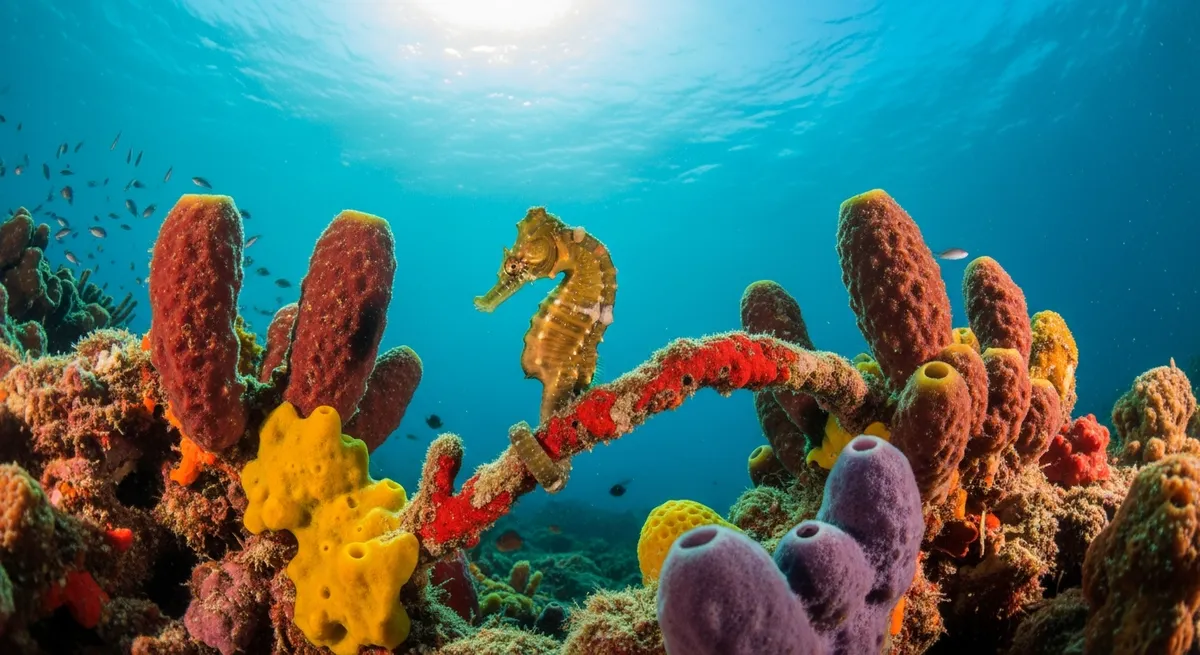

Bonaire's West Coast is famous for its unrivaled shore diving, making night dives incredibly accessible and safe. Simply walk in from dozens of marked sites to encounter hunting tarpon, sleeping parrotfish, and active octopuses. Its calm, clear waters provide perfect conditions to explore the reef's nocturnal transformation.
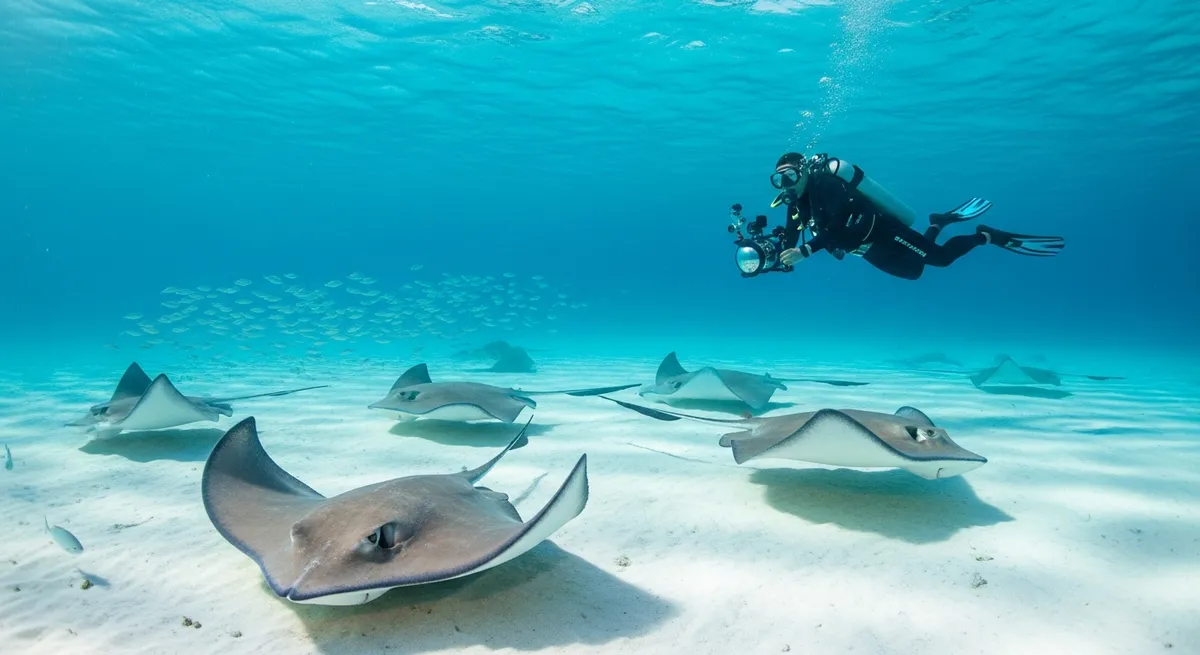

Grand Cayman transforms after sunset into a vibrant nocturnal paradise. Dive the famed Tarpon City to witness schools of hunting tarpon, or experience mesmerizing bioluminescence painting the reefs. Its calm, clear waters reveal sleeping parrotfish and active octopuses, offering an unforgettable and electrifying night dive spectacle.
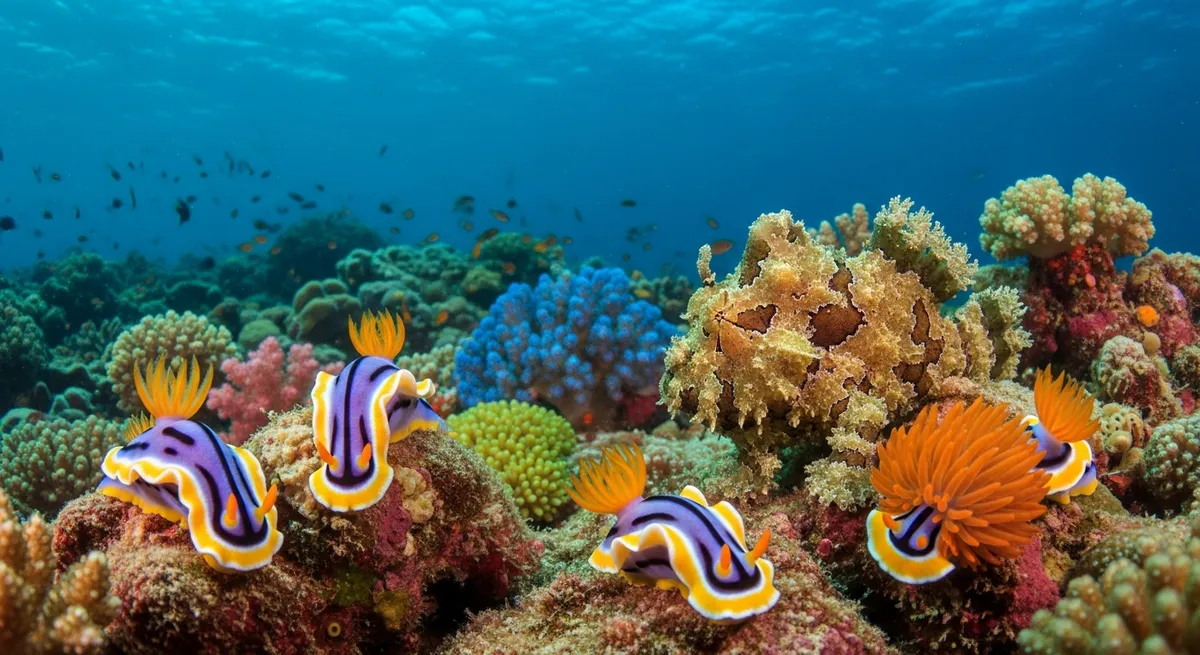

As a renowned mecca for macro photography, Anilao truly shines when the sun sets. Night dives here reveal an astounding array of rare and unusual critters that emerge from their daytime hiding spots, offering unparalleled opportunities to photograph exotic species like Rhinopias, various octopus, and countless nudibranchs. Prepare for an unforgettable nocturnal spectacle.
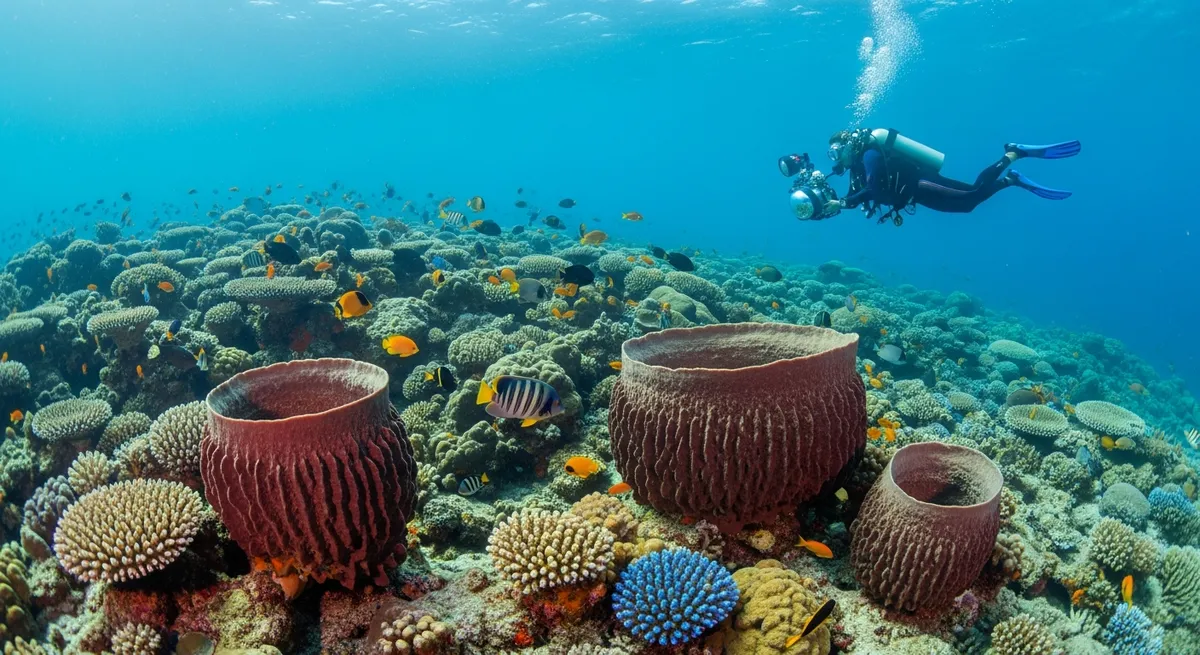

Cozumel's famed drift dives along its vibrant walls transform into an otherworldly experience after sunset. Witness an explosion of nocturnal life, from sleeping parrotfish to hunting crabs and octopuses, as the reefs awaken under your torchlight. The gentle currents enhance these unique encounters, making it an unforgettable nocturnal adventure.
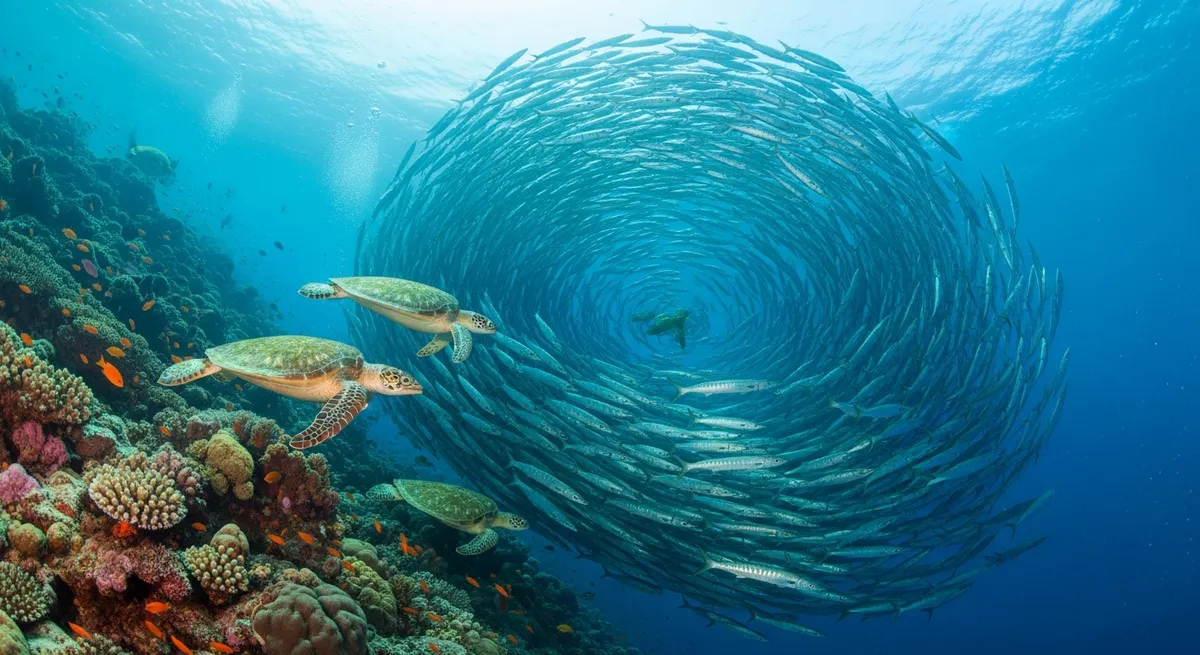

Sipadan offers an unparalleled night diving experience, primarily due to the mesmerizing sight of hundreds of bumphead parrotfish schooling together and sleeping soundly within the reef. Alongside this unique spectacle, you'll encounter numerous green sea turtles resting in crevices and reef sharks patrolling the shadows. It's an intimate look into the reef's nocturnal rhythm.
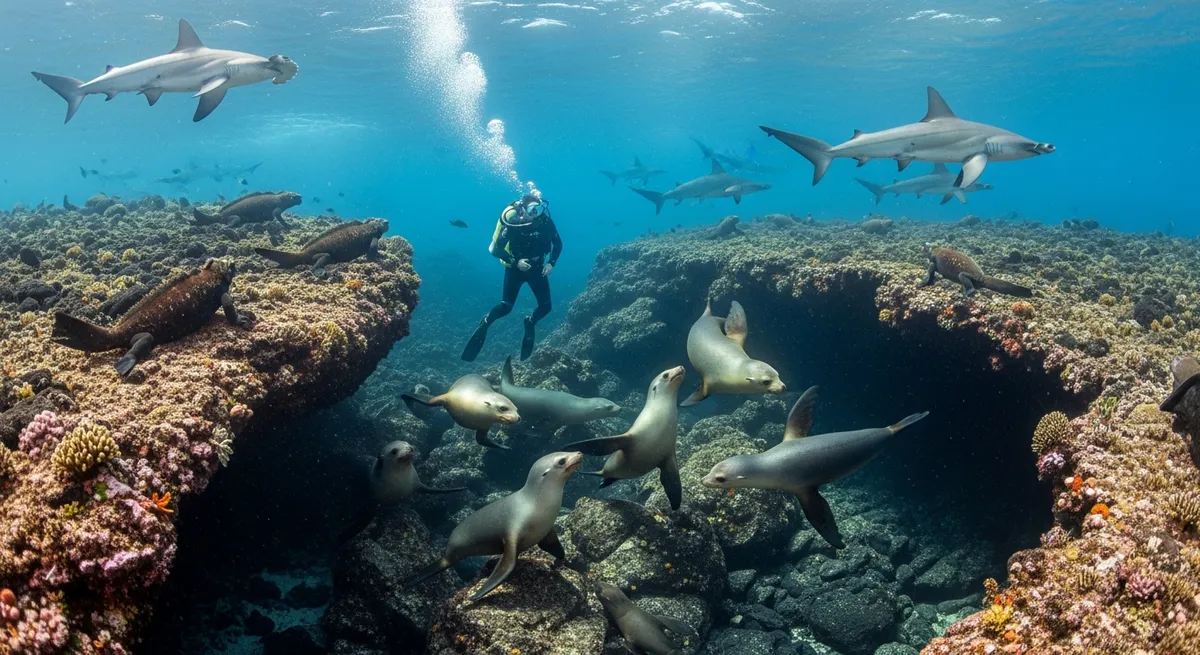

Dive into the Galápagos' nocturnal waters to witness an evolutionary spectacle. Under the cloak of darkness, endemic species like Galápagos sharks and rays transform into stealthy hunters, revealing rarely seen predatory behaviors. Encounter unique nocturnal creatures, a testament to Darwin's theories, for an unparalleled underwater experience.
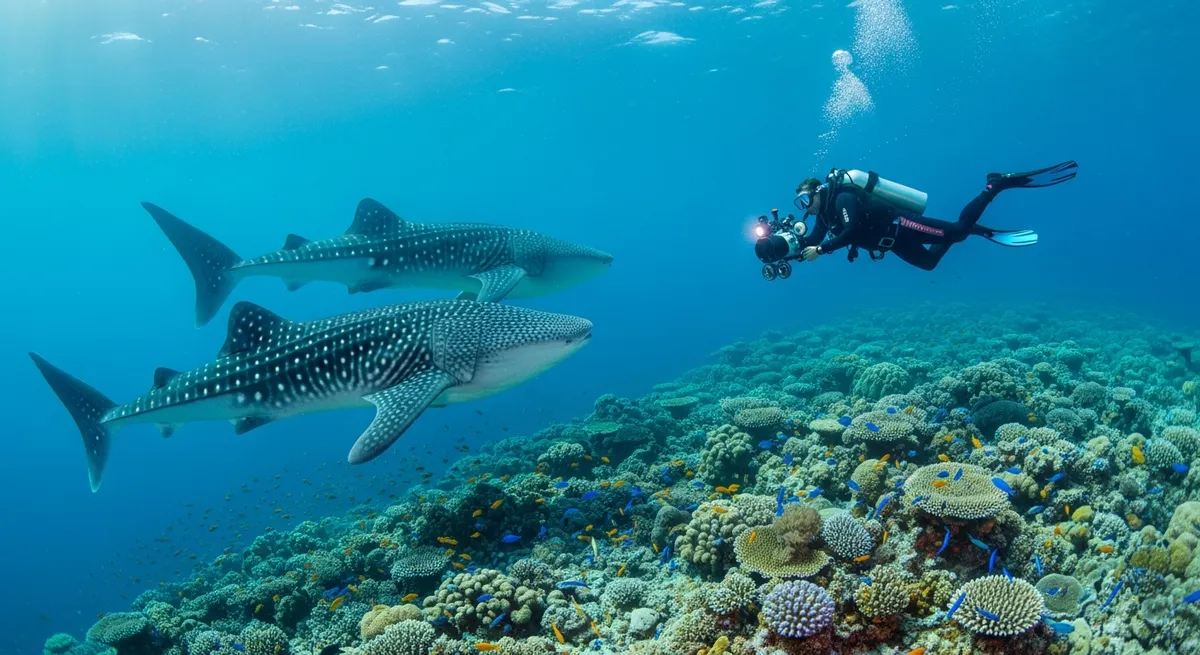
Al Lith: Red Sea's Nocturnal Coral Kingdom
Saudi Arabia
Al Lith, part of the Red Sea Project, offers unparalleled night diving. Its vibrant coral gardens transform under torchlight, revealing a dazzling spectrum of colors and a new cast of elusive reef creatures. This destination promises an unforgettable nocturnal exploration of its pristine underwater world.
About This Collection
Night diving is a speciality that every diver should experience. The reef at night is a fundamentally different ecosystem - predators and prey swap roles, colours become more vivid under torch light, and behaviours that are invisible during the day suddenly reveal themselves. The best night diving destinations combine reliable nocturnal marine life encounters with safe, accessible dive sites and comfortable conditions.
The manta ray night dive in Kona, Hawaii, is arguably the most iconic night dive on Earth. Lights placed on the seabed attract plankton, which in turn draws giant oceanic manta rays that swoop and barrel-roll within arm's reach of divers. It is a breathtaking, almost spiritual experience that consistently ranks among the world's top dive experiences regardless of category.
Beyond specific encounters, night diving reveals the reef's hidden world. Crustaceans emerge from every crevice, cuttlefish display their light shows, basket stars unfurl their intricate arms to filter-feed, and the UV torch unveils a fluorescent coral reef that glows in greens, oranges, and purples invisible to the naked eye.