Complete Guide to Cenote Diving
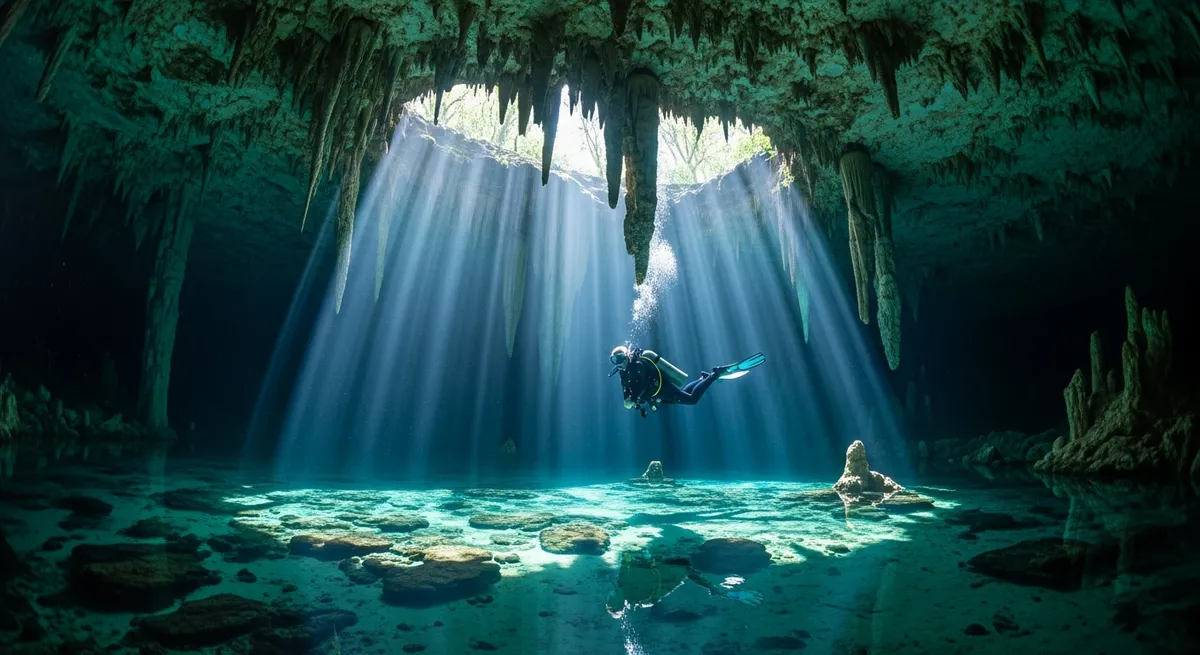
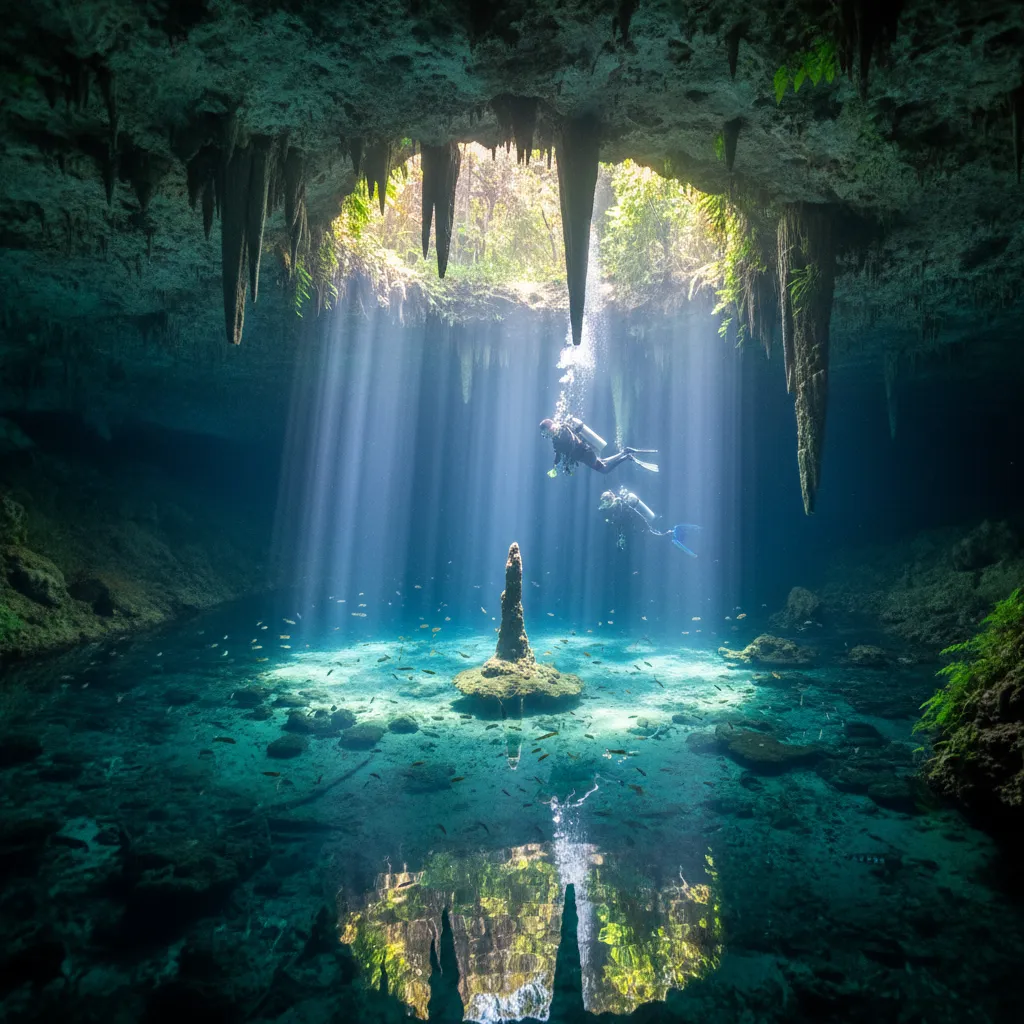
Mexico's cenotes are portals to another world. These natural sinkholes, formed over millions of years as acidic rainwater dissolved the Yucatán Peninsula's limestone bedrock, open into the largest underwater cave systems on Earth. Crystal-clear freshwater with visibility exceeding 100 metres, ethereal light beams piercing the darkness through jungle canopy openings, ancient stalactite formations preserved since the last ice age, and haloclines where fresh and salt water create shimmering optical illusions - cenote diving is unlike anything else in the underwater world.
What Are Cenotes?
Cenotes (from the Maya word dz'onot, meaning "sacred well") are natural sinkholes where the limestone roof of an underground cave has collapsed, creating an opening to the water-filled cave below. The Yucatán Peninsula contains an estimated 6,000 cenotes, many of which connect to the Sac Actun system - the longest underwater cave system on Earth at over 380 kilometres. The Maya considered cenotes sacred entrances to Xibalba, the underworld, and many contain archaeological artefacts including ceramics, jade, and human remains.
Cavern vs. Cave Diving
Cenote diving is divided into two categories. Cavern diving stays within the light zone - you can always see natural light from the entrance. This is accessible to certified Open Water divers with a cavern guide and requires no overhead environment training. Cave diving penetrates beyond the light zone into complete darkness and requires Full Cave certification, redundant equipment, and extensive training. Most cenote operators offer cavern tours, with cave diving available for qualified tec divers.
The Best Cenotes to Dive
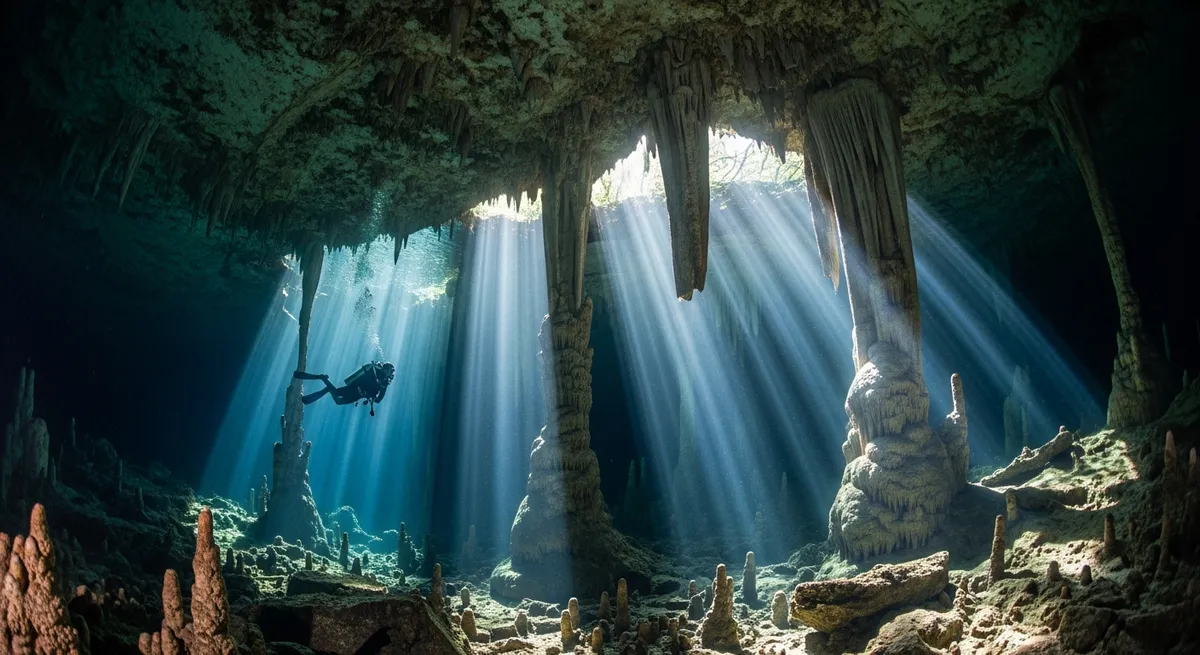
Dos Ojos is the most popular - two connected sinkholes with spectacular stalactites and the famous Bat Cave passage. Gran Cenote offers stunning light effects and easy access near Tulum. Angelita features a surreal hydrogen sulfide cloud at 30 metres that looks like an underwater river. Cenote Dreamgate has the most ornate stalactite formations. The Pit drops to 119 metres and features a halocline at 15 metres that creates a mesmerising visual distortion.
7 Top Destinations
Yucatán Cenotes, Mexico
The world's cenote diving epicentre - over 6,000 sinkholes opening into the longest underwater cave systems on Earth.
Mexico Cenote Overview
Mexico's Yucatán Peninsula holds virtually all of the world's diveable cenotes, centred around Tulum and Playa del Carmen.
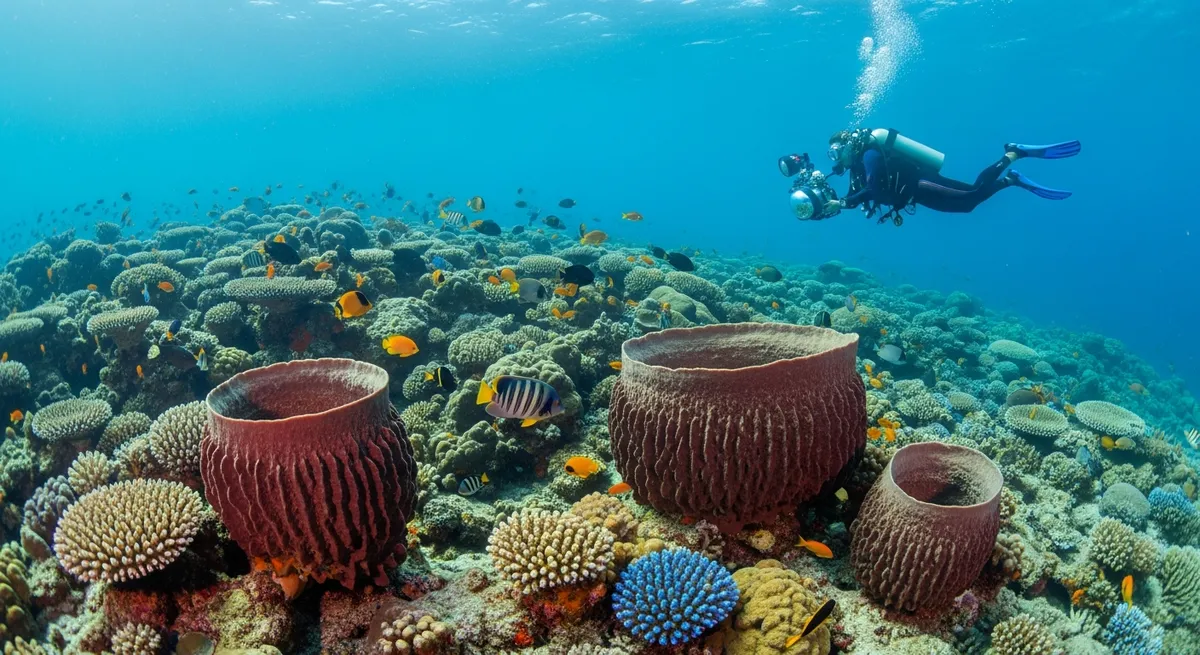
Cozumel & Riviera Maya, Mexico
The jumping-off point for cenote excursions, with dive operators offering combined reef and cenote dive packages.
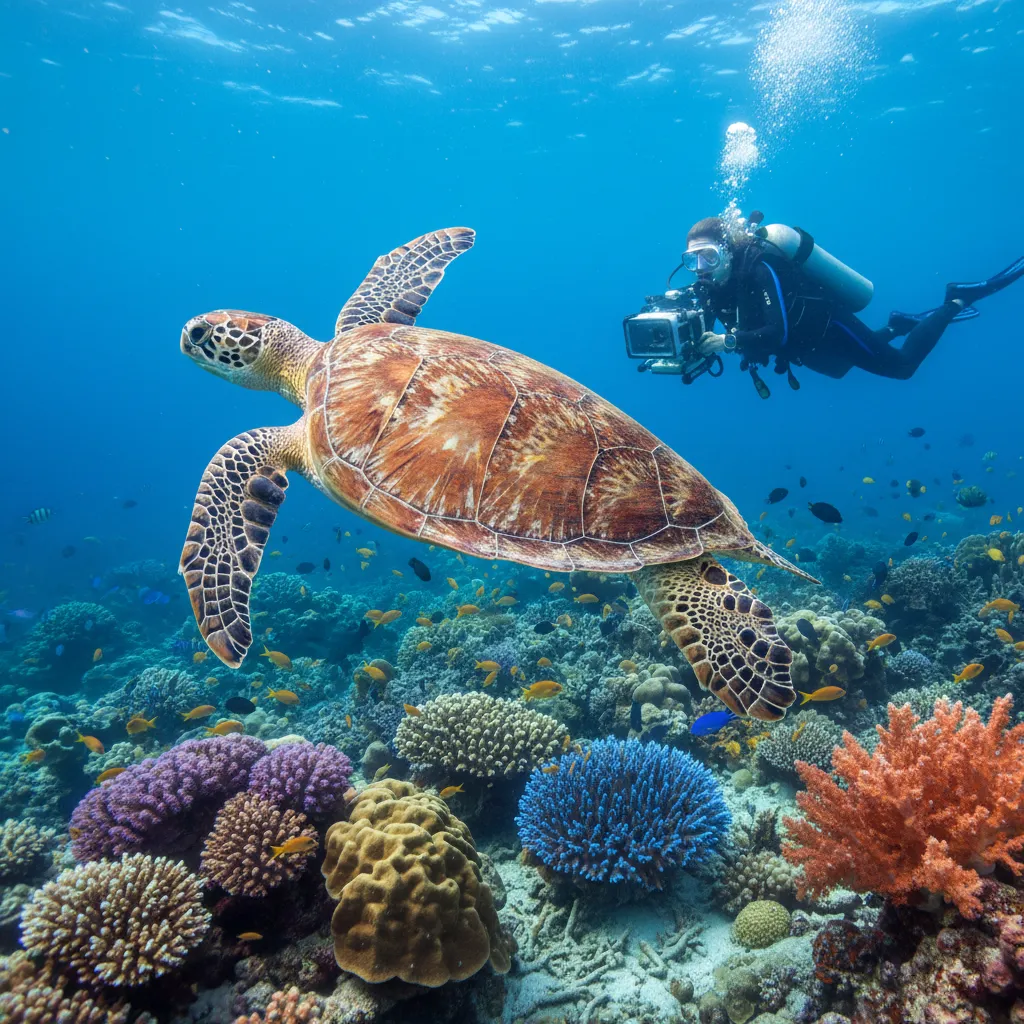
Cenote & Reef Wildlife
Marine life encountered in and around cenotes - from freshwater fish and turtles to reef species in the connected ocean systems.
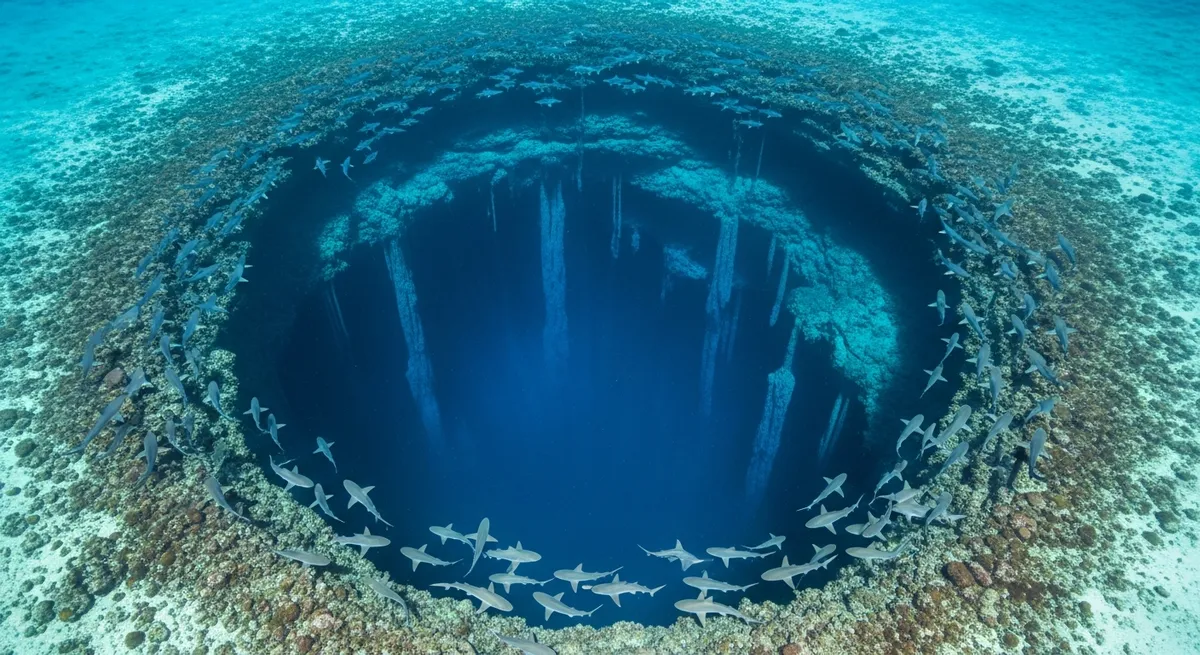
Blue Hole, Belize
A geological cousin of the cenotes - a collapsed cave system in the Caribbean that shares the same limestone karst origins.
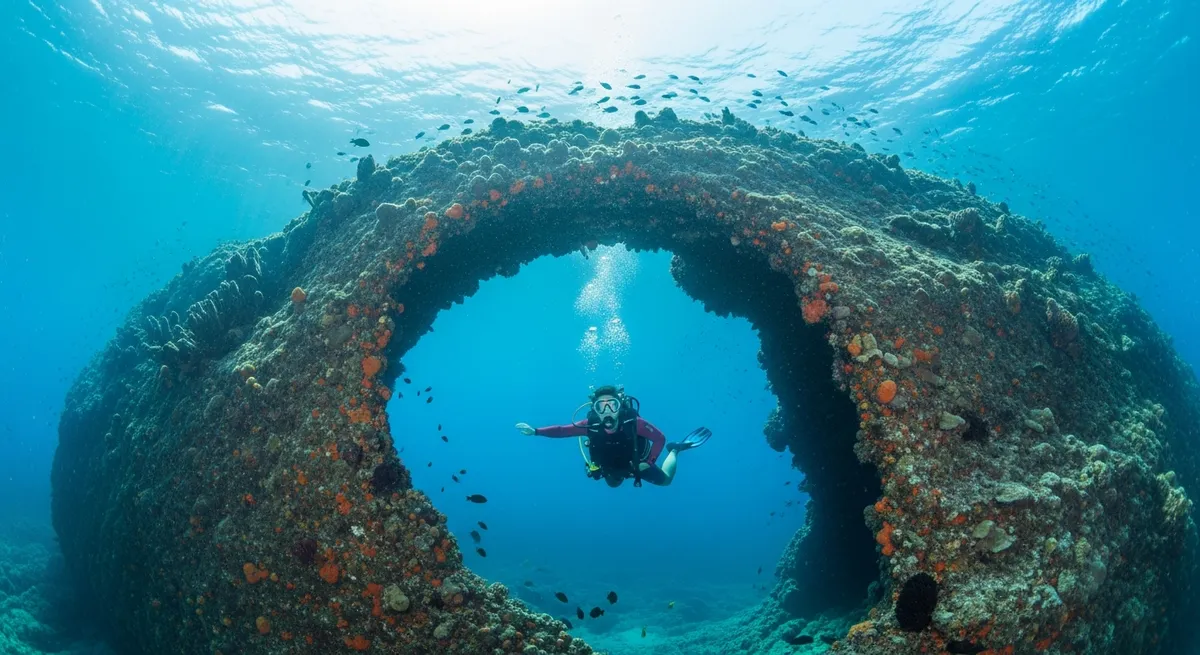
Inland Sea & Blue Hole, Gozo
Mediterranean equivalent of cenote diving with limestone caves, swim-throughs, and underwater cavern systems.
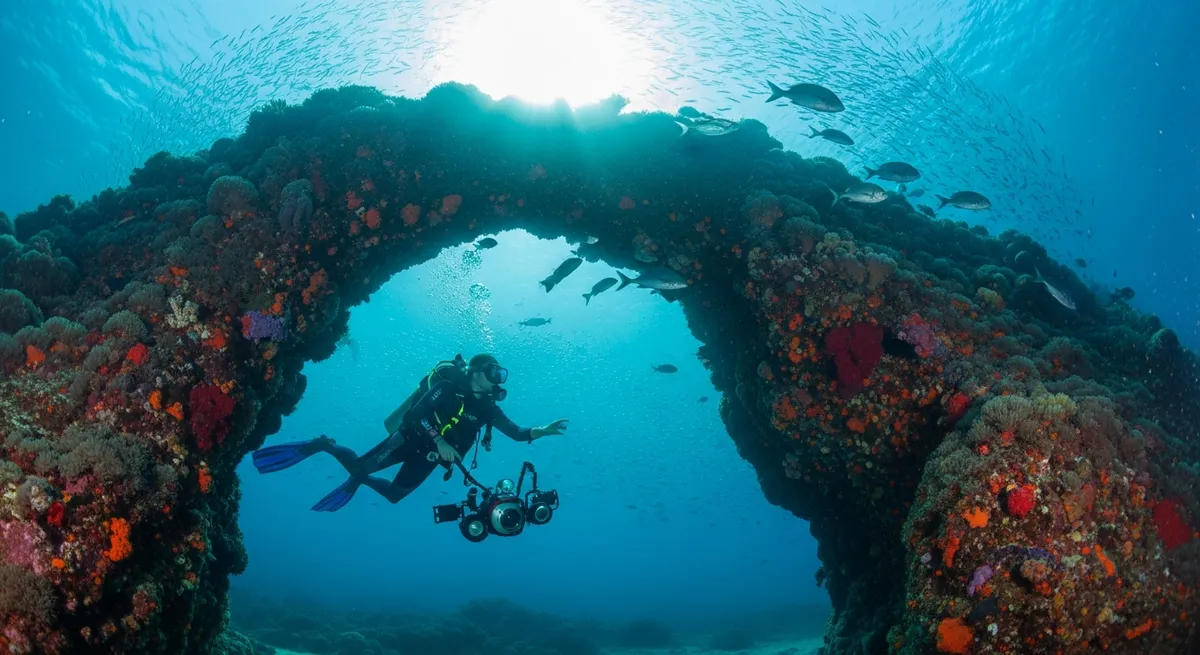
Poor Knights: Volcanic Caves & Dazzling Light Shows
For divers drawn to the geological wonders and light shows of cenotes, Poor Knights Islands offer a stunning saltwater alternative. Explore magnificent volcanic sea caves, arches, and tunnels, where sunlight creates spectacular, shifting light beams. It's a prime complement for those seeking dramatic cavern environments.
Frequently Asked Questions
Do I need cave diving certification for cenotes?
No - most cenote diving is cavern diving, which stays within the light zone and is accessible to Open Water certified divers accompanied by a qualified guide. You will always be able to see natural light from the entrance. Full cave diving beyond the light zone requires Cave Diver certification. Cavern tours are the most popular cenote diving experience and are suitable for all certified divers.
What is the best cenote for diving?
Dos Ojos is the most popular and arguably the best overall cenote - spectacular stalactites, two connected sinkholes, and the atmospheric Bat Cave passage. <a href="/region/north-america/mexico/yucatan-cenotes/gran-cenote">Gran Cenote</a> near Tulum has the best light effects for photography. Angelita is most surreal with its hydrogen sulfide cloud. The Pit is most dramatic for depth. Each cenote offers a unique experience.
How much does cenote diving cost?
A two-tank cenote cavern dive with guide, transport, and equipment typically costs $120-$180 USD from <a href="/region/north-america/mexico/cozumel/playa-del-carmen">Playa del Carmen</a> or Tulum. Full cave diving for certified cave divers runs $200-$350 per day. Cenote entrance fees (typically $5-$15 per person) are sometimes included, sometimes additional. Multi-day packages offer better value.
When is the best time of year to dive the cenotes?
The dry season, from November to April, generally offers the most favorable conditions with less rain and lower humidity. This period often provides the best light penetration into the cenotes, creating spectacular visual effects with light beams. However, it can also be the busiest time for tourism.
What is a halocline and how does it affect a cenote dive?
A halocline is a visible boundary where fresh water meets denser saltwater, typically found at depths around 10-20 meters in many coastal cenotes. As you pass through it, the difference in water density creates a shimmering, blurry visual effect similar to looking through heat haze. It can also cause a slight buoyancy change, so divers should be mindful of their trim.
What specialized equipment is recommended for cenote diving beyond standard recreational gear?
A primary dive light is essential for illumination, along with a smaller backup light for safety and redundancy. Depending on the specific cenote and dive plan, a hood may be beneficial for thermal comfort, and some divers prefer smaller tanks for better maneuverability in overhead environments. A cutting tool is also a good safety addition.
What kind of aquatic life can I expect to see in the cenotes?
Cenotes are primarily freshwater environments, so you'll encounter unique species such as blind cave fish, freshwater turtles, eels, and various crustaceans. While the biodiversity isn't as rich as coral reefs, the main attraction is the stunning geological formations and the unique experience of diving in an ancient underwater cave system.
What are the typical water temperatures in the cenotes, and what wetsuit thickness do you recommend?
Cenote water temperatures are remarkably consistent year-round, typically ranging between 24-26°C (75-79°F). For most divers, a 3mm or 5mm full wetsuit provides adequate thermal protection and comfort for multiple dives. Divers who tend to get cold easily might prefer a 5mm suit or even a shorty over a 3mm.