Chris’ Wall
Protected Area
Moon Island
Why dive here
With 199+ marine species recorded in the area - including blue sharks, bull sharks, dolphins, dugongs and great white sharks - Chris’ Wall offers some of Sydney & New South Wales's richest reef diving. Water ranges 18-23°C, warmest January, February, March.
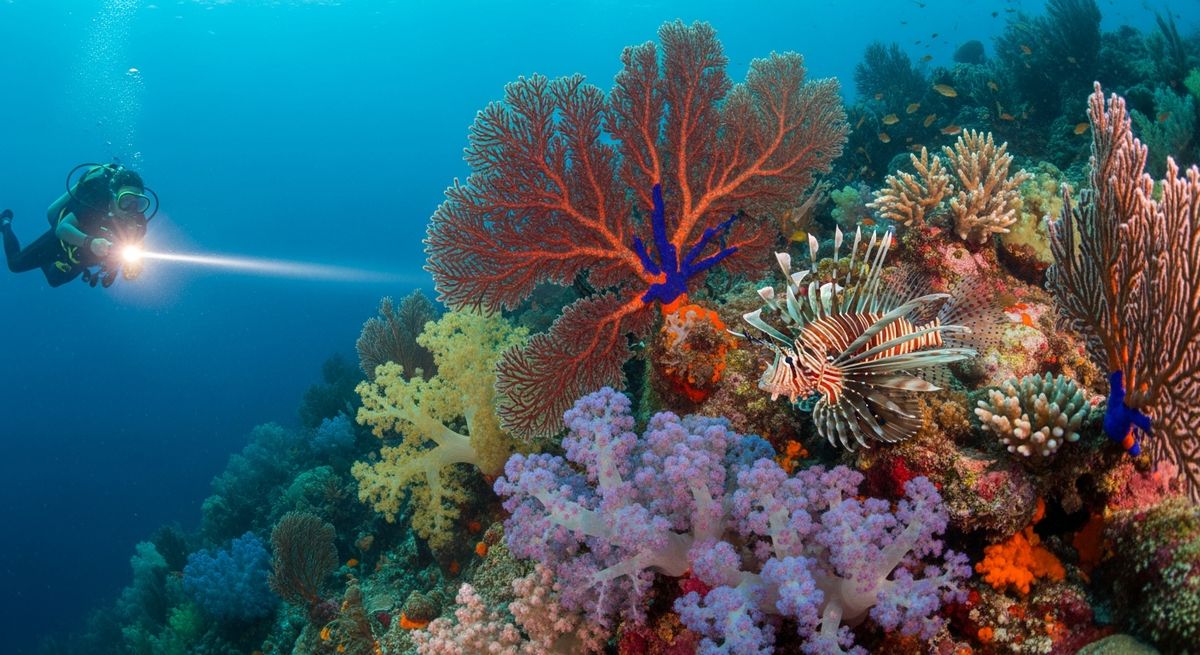
Chris' Wall, just off Sydney, is one of those sites we always recommend for a solid, reliable dive. It’s a boat dive, and honestly, the ride out sets a nice tone for the dive to come. The wall itself doesn't drop to insane depths, topping out around 21 metres, which means it’s perfect for open water divers who want to experience a proper wall dive without the pressure. We love just drifting along here, keeping an eye on the wall's texture and the small things tucked into the cracks. You'll definitely spot moray eels peering out, and we’ve had some cracking encounters with fiddler rays cruising over the sandy bottom at the wall's base. Visibility averages around 8 metres; it’s not always Caribbean clear, but it's enough to appreciate the scale and the life here. Our pick for finding nudibranchs is often around the bommies that sit on that sandy expanse – slow down and really look. For a Sydney dive, it’s a consistently good choice for a relaxed exploration, suitable for pretty much anyone looking for a pleasant day out.
Nearest Dive Centres to Chris’ Wall
Dive shops near Chris’ Wall
DIVE SWANSEA
Grey Nurse Charters
CENTRAL COAST DIVERS
FREEDIVING CENTRAL PTY LTD
Reviews for Chris’ Wall
Conditions
Ocean conditions, forecast and tides for Chris’ Wall
Chris’ Wall Ocean Conditions
Monthly averages for Chris’ Wall, sourced from Open-Meteo marine data - nearest station: Open-Meteo marine grid (-33.18, 151.63) (7km away)
October Averages
Sea Temperature
20°C
67°F · Range: 18.5–20.7°C
Air Temperature
17°C
63°F
Wind Speed
5.95 m/s
11.6 knots
Atmospheric Pressure
1016.2 hPa
Based on 4 years of monitoring data · Data sources: Open-Meteo marine data
Plan & book
Ways to dive Sydney & New South Wales, from day trips to liveaboards.
Day trips & courses
via GetYourGuideGuided dives, courses and snorkel trips with instant booking.
Find dive trips in Sydney & New South WalesPlaces to stay
via Booking.comHotels and dive resorts near Sydney & New South Wales.
Search stays in Sydney & New South WalesDive insurance
Most travel insurance excludes or limits scuba. Check what you need before you go.
Dive insurance explainedPartner links: we may earn a commission if you book, at no extra cost to you. How we make money
Where to Stay near Chris’ Wall
Prices from Booking.com. We may earn a commission at no extra cost to you.