Halifax Point
Protected Area
Shark Island
Why dive here
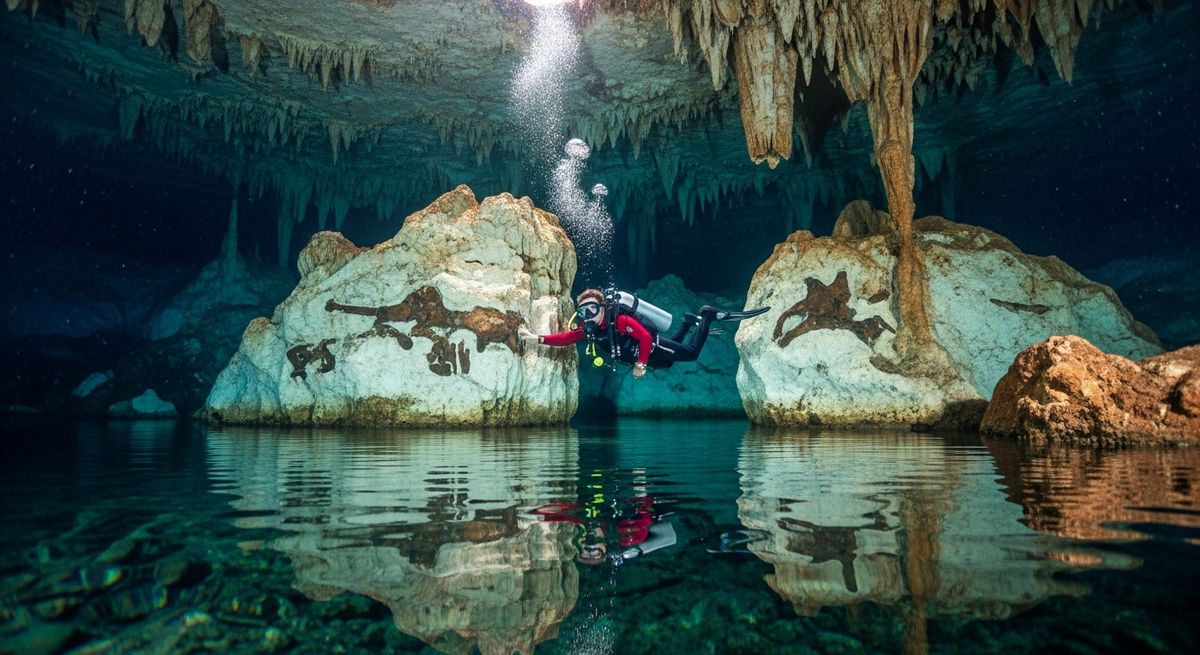
With 199+ marine species recorded in the area - including blue sharks, bull sharks, dolphins, dugongs and great white sharks - Halifax Point offers some of Sydney & New South Wales's richest cenote diving. Water ranges 18-23°C, warmest January, February, March.
Steeper rocky ledges covered in sponges makes Halifax one of the most popular deeper/advanced sites to dive in Nelson Bay. The “Twin Bommies” (20m) offers a colourful carpet of sponges, gorgonians & ascidians. Max Depth = ~26m. Best dived on incoming to slack high tide. Maximum depth: 22m. Average visibility: 9m. Wide variety of creatures from yellow & black stripeys to nudibranchs, flatworms, crayfish/lobsters. Pelagics include: dolphins, kingfish, drummers, eastern wirrah, & blind sharks.
Safety Notes
Overhead environment - never enter without proper cave/cavern training, redundant equipment, and a guideline.
Nearest Dive Centres to Halifax Point
Dive shops near Halifax Point
View all dive centres in Sydney & New South WalesReviews for Halifax Point
Conditions
Ocean conditions, forecast and tides for Halifax Point
Halifax Point Ocean Conditions
Monthly averages for Halifax Point, sourced from Open-Meteo marine data - nearest station: Open-Meteo marine grid (-33.18, 151.63) (7km away)
October Averages
Sea Temperature
20°C
67°F · Range: 18.5–20.7°C
Air Temperature
17°C
63°F
Wind Speed
5.95 m/s
11.6 knots
Atmospheric Pressure
1016.2 hPa
Based on 4 years of monitoring data · Data sources: Open-Meteo marine data
Plan & book
Ways to dive Sydney & New South Wales, from day trips to liveaboards.
Day trips & courses
via GetYourGuideGuided dives, courses and snorkel trips with instant booking.
Find dive trips in Sydney & New South WalesPlaces to stay
via Booking.comHotels and dive resorts near Sydney & New South Wales.
Search stays in Sydney & New South WalesDive insurance
Most travel insurance excludes or limits scuba. Check what you need before you go.
Dive insurance explainedPartner links: we may earn a commission if you book, at no extra cost to you. How we make money
Where to Stay near Halifax Point
Prices from Booking.com. We may earn a commission at no extra cost to you.