Hole in the Wall
Protected Area
Bushrangers Bay
Why dive here
With 199+ marine species recorded in the area - including blue sharks, bull sharks, dolphins, dugongs and great white sharks - Hole in the Wall offers some of Sydney & New South Wales's richest wreck diving. Water ranges 18-23°C, warmest January, February, March.
Hole in the Wall is exactly what it sounds like – a vertical split in the reef, open to the sky, that we absolutely adore for its intimacy. It’s a tricky one though; you only even think about diving here when the sea is flat calm. Even then, expect a bit of a push and pull from the surge as you navigate the narrow opening. Inside, it’s a tight squeeze, maybe three or four divers max, but that’s part of its charm. The real draw here for us are the sea spiders. Forget the usual nudibranch hunt, though you’ll spot a few. We’re always on the lookout for the electric blue ones, tucked into the colourful growth coating the walls. It’s a macro playground, a place to slow down and really look. Depths max out at 18m, making it approachable for most, provided you’re comfortable with a bit of tight maneuvering and some surge. Visibility averages 13m, which is plenty for appreciating the smaller wonders packed into this unique nook.
Safety Notes
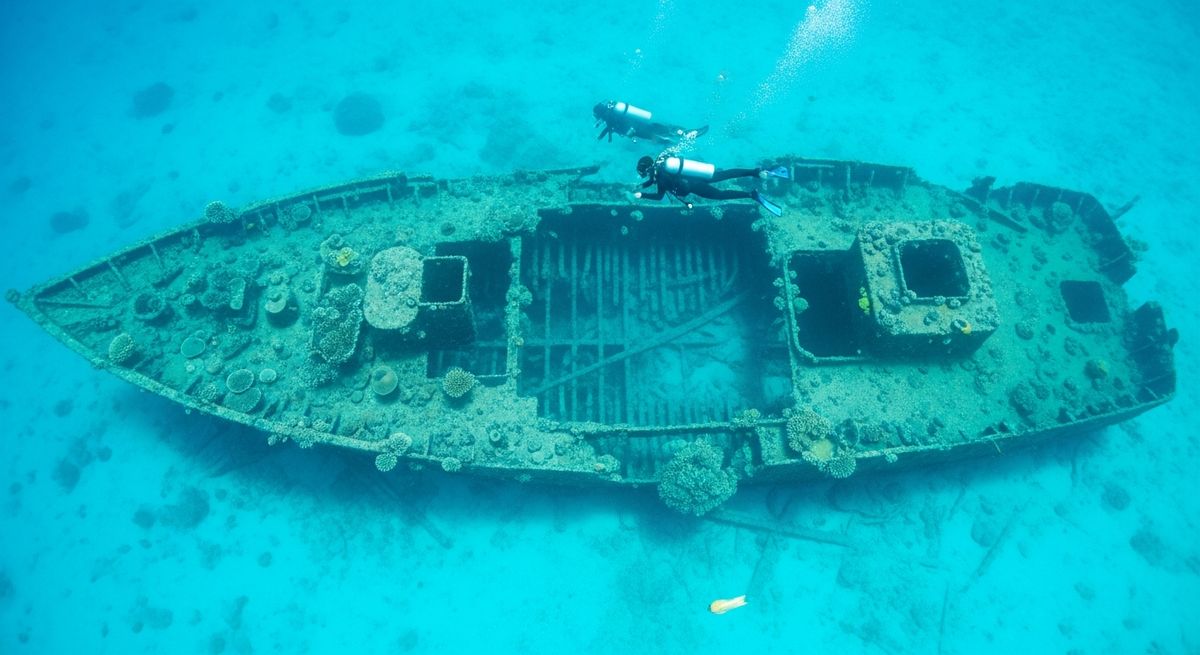
Wreck site - avoid penetration without wreck diving certification. Watch for sharp metal and entanglement hazards.
Nearest Dive Centres to Hole in the Wall
Dive shops near Hole in the Wall
View all dive centres in Sydney & New South WalesReviews for Hole in the Wall
Conditions
Ocean conditions, forecast and tides for Hole in the Wall
Hole in the Wall Ocean Conditions
Monthly averages for Hole in the Wall, sourced from Open-Meteo marine data - nearest station: Open-Meteo marine grid (-33.18, 151.63) (7km away)
October Averages
Sea Temperature
20°C
67°F · Range: 18.5–20.7°C
Air Temperature
17°C
63°F
Wind Speed
5.95 m/s
11.6 knots
Atmospheric Pressure
1016.2 hPa
Based on 4 years of monitoring data · Data sources: Open-Meteo marine data
Plan & book
Ways to dive Sydney & New South Wales, from day trips to liveaboards.
Day trips & courses
via GetYourGuideGuided dives, courses and snorkel trips with instant booking.
Find dive trips in Sydney & New South WalesPlaces to stay
via Booking.comHotels and dive resorts near Sydney & New South Wales.
Search stays in Sydney & New South WalesDive insurance
Most travel insurance excludes or limits scuba. Check what you need before you go.
Dive insurance explainedPartner links: we may earn a commission if you book, at no extra cost to you. How we make money
Where to Stay near Hole in the Wall
Prices from Booking.com. We may earn a commission at no extra cost to you.