Aramoana Mole
Protected Area
Heyward Point
Why dive here
With 46+ marine species recorded in the area - including blue sharks, great white sharks, seahorses and southern right whales - Aramoana Mole offers some of Fiordland's richest reef diving. Water ranges 12-17°C, warmest January, February, March.
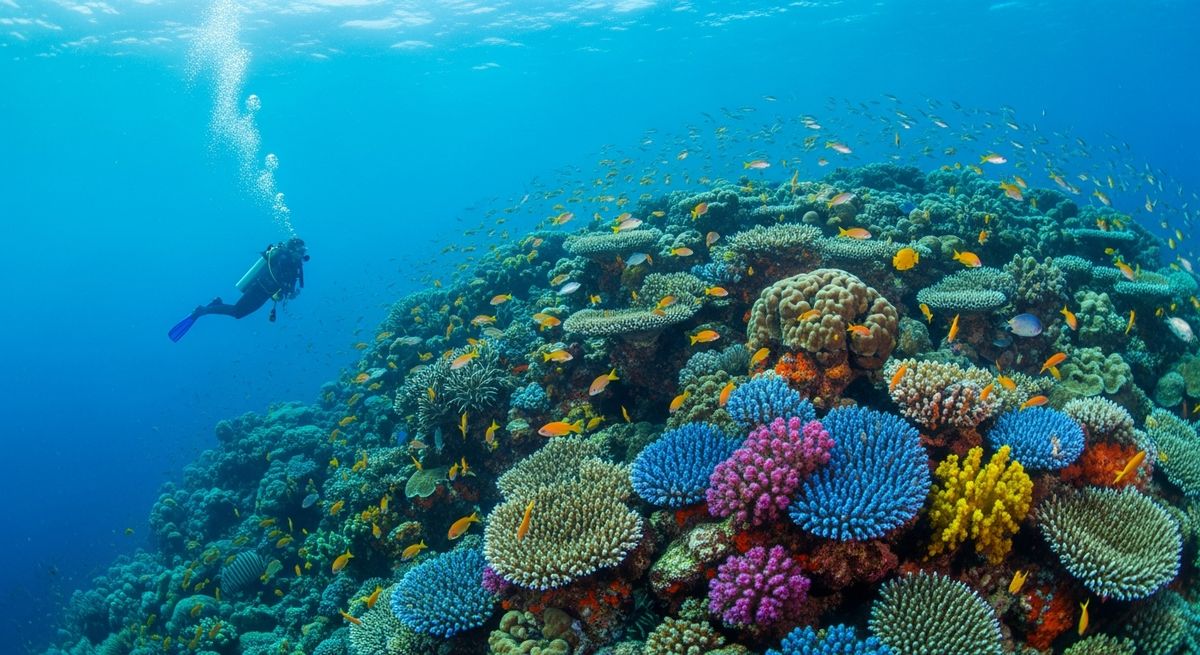
Aramoana Mole, on the edge of Fiordland, feels like a secret handshake among South Island divers. We love it for its sheer accessibility, especially when the weather decides to be Fiordland-ish. It's a man-made wall, sure, but it's completely encrusted, a tapestry of sponges in electric yellows and purples, mixed with the reds of sea squirts. You'll find yourself searching the nooks and crannies for nudibranchs, and we've spotted some absolute crackers here. Visibility averages around 5 meters, which isn't Bali, but it's often better than that depending on the tide and recent rain. The deepest parts are off the very end, hitting maybe 10 meters, but most of our dives stay comfortably around 6-8 meters. We often see Lemon Sole pressed into the sand, and the occasional Bluefin Gurnard kicking up sediment. It's an excellent spot for newer divers, or anyone who appreciates the smaller, intricate details of temperate diving without needing to chase pelagics.
Typical Aramoana Mole Dive Profile
Illustrative profile based on site depth and type. Actual dive profiles vary - always follow your dive computer and training.
Safety Notes
Cold water this month (avg 12°C). Drysuit or thick wetsuit (7mm+) recommended.
Reviews for Aramoana Mole
Conditions
Ocean conditions, forecast and tides for Aramoana Mole
Aramoana Mole Ocean Conditions
Monthly averages for Aramoana Mole, sourced from Open-Meteo marine data + Copernicus Marine (EU) - nearest station: Open-Meteo marine grid (-44.66, 167.9) (28km away)
October Averages
Sea Temperature
12°C
54°F · Range: 11.5–13.4°C
Current Speed
11.4 cm/s
Direction: NE (37.9°)
Chlorophyll-a
0.27 mg/m³
Clear water
Salinity
34.67 PSU
Based on 4 years of monitoring data · Data sources: Open-Meteo marine data + Copernicus Marine (EU)
Plan & book
Ways to dive Fiordland, from day trips to liveaboards.
Day trips & courses
via GetYourGuideGuided dives, courses and snorkel trips with instant booking.
Find dive trips in FiordlandPlaces to stay
via Booking.comHotels and dive resorts near Fiordland.
Search stays in FiordlandDive insurance
Most travel insurance excludes or limits scuba. Check what you need before you go.
Dive insurance explainedPartner links: we may earn a commission if you book, at no extra cost to you. How we make money
Where to Stay near Aramoana Mole
Prices from Booking.com. We may earn a commission at no extra cost to you.