Dale Point
Protected Area
Piopiotahi
Why dive here
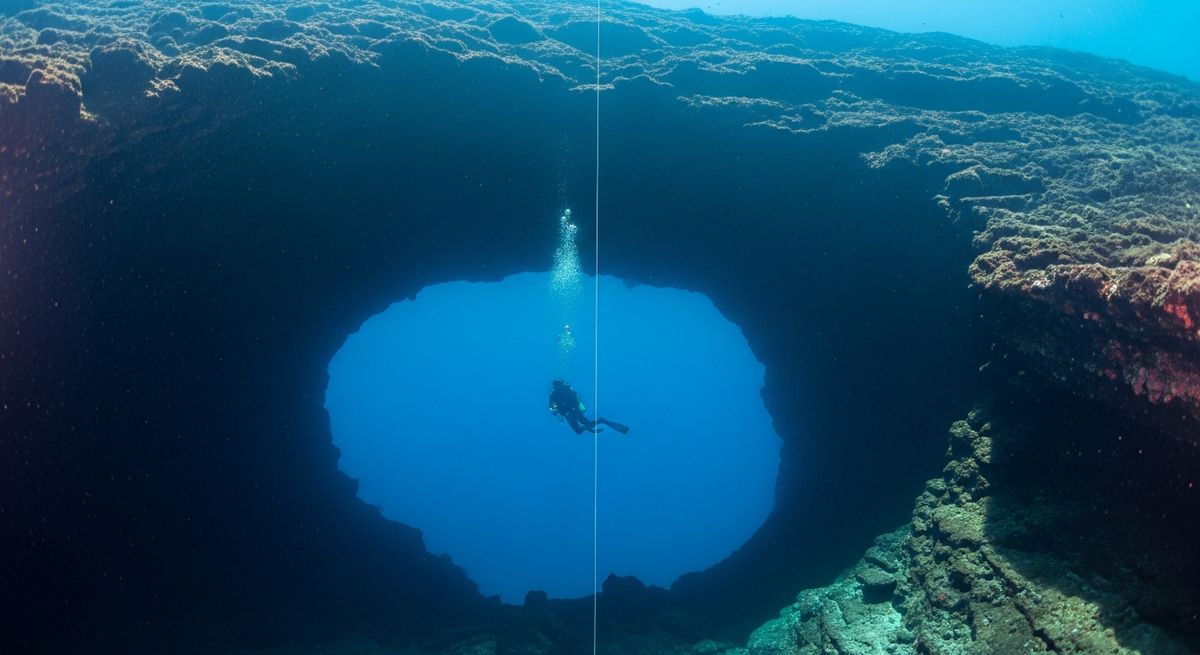
With 46+ marine species recorded in the area - including blue sharks, great white sharks, seahorses and southern right whales - Dale Point offers some of Fiordland's richest cave diving. Water ranges 12-17°C, warmest January, February, March.
Dale Point. This is one of those Fiordland spots where you just drop in and feel the place wrap around you. We love a wall dive, and here it’s an absolute stunner, plunging down to 21 meters, thick with those ancient black corals. They’re everywhere, some branching like skeletal trees, others just a solid mass, draped in yellow zoanthids that look like someone splashed luminous paint all over the place. Visibility averages 11 meters, which in Fiordland terms, is perfectly good for soaking in the details. Keep an eye out for the smaller stuff; we’ve spotted Swarming Squat Lobsters clinging to the black coral branches and nudibranchs grazing the walls. Butterfly perch drift in schools, and you’ll inevitably find kina (sea urchins) and Red Rock Lobsters tucked into crevices. It’s a site that really shows off the density of life in the fiords, suiting divers who appreciate a slow, deliberate exploration of a vibrant temperate reef.
Safety Notes
Overhead environment - never enter without proper cave/cavern training, redundant equipment, and a guideline.
Cold water this month (avg 12°C). Drysuit or thick wetsuit (7mm+) recommended.
Reviews for Dale Point
Conditions
Ocean conditions, forecast and tides for Dale Point
Dale Point Ocean Conditions
Monthly averages for Dale Point, sourced from Open-Meteo marine data + Copernicus Marine (EU) - nearest station: Open-Meteo marine grid (-44.66, 167.9) (28km away)
October Averages
Sea Temperature
12°C
54°F · Range: 11.5–13.4°C
Current Speed
11.4 cm/s
Direction: NE (37.9°)
Chlorophyll-a
0.27 mg/m³
Clear water
Salinity
34.67 PSU
Based on 4 years of monitoring data · Data sources: Open-Meteo marine data + Copernicus Marine (EU)
Plan & book
Ways to dive Fiordland, from day trips to liveaboards.
Day trips & courses
via GetYourGuideGuided dives, courses and snorkel trips with instant booking.
Find dive trips in FiordlandPlaces to stay
via Booking.comHotels and dive resorts near Fiordland.
Search stays in FiordlandDive insurance
Most travel insurance excludes or limits scuba. Check what you need before you go.
Dive insurance explainedPartner links: we may earn a commission if you book, at no extra cost to you. How we make money
Where to Stay near Dale Point
Prices from Booking.com. We may earn a commission at no extra cost to you.