Andes (Wreck)
Protected Area
Fort Barington
Why dive here
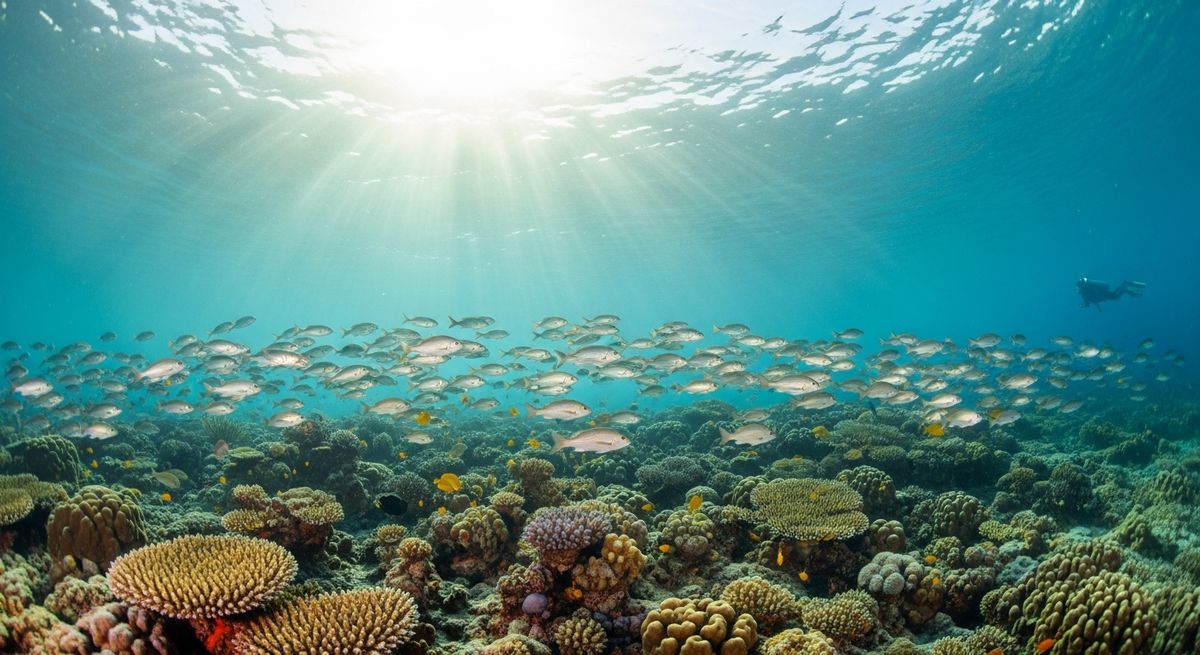
With 229+ marine species recorded in the area - including barracuda, dolphins, dwarf minke whales, humpback whales and orcas - Andes (Wreck) offers some of Antigua South Coast's richest reef diving. Water ranges 27-30°C, warmest August, September, October.
The Andes wreck is probably our favourite shallow dive on Antigua’s south coast. It’s an old barque, sunk back in 1905, and now sits broken up across the seabed in Deep Bay, maxing out at 13 metres. We love how accessible it is; even with modest air consumption, you can really take your time poking around the ribs and hull plates that scatter the sandy bottom. You’ll find schools of grunts and snapper often hanging motionless inside the larger sections of the wreck, almost like they’re still sheltering in the cargo hold. Look closely on the coral-encrusted metalwork for little nudibranchs and flatworms. The resident batfish often sit camouflaged against the sand nearby, and we’ve often spotted stingrays fanning themselves into the sediment, so keep an eye out for their tell-tale outlines. Visibility averages around 11 metres, which is usually enough to appreciate the scale of the wreckage. It’s an easy, relaxing dive, perfect for photographers or anyone who enjoys a leisurely explore of a historic site without the pressure of depth or strong currents.
Nearest Dive Centres to Andes (Wreck)
Dive shops near Andes (Wreck)
View all dive centres in Antigua South CoastReviews for Andes (Wreck)
Conditions
Ocean conditions, forecast and tides for Andes (Wreck)
Andes (Wreck) Ocean Conditions
Monthly averages for Andes (Wreck), sourced from Open-Meteo marine data - nearest station: Open-Meteo marine grid (17.01, -61.92) (1km away)
October Averages
Sea Temperature
30°C
86°F · Range: 28.7–31°C
Air Temperature
28°C
82°F
Wind Speed
5.82 m/s
11.3 knots
Atmospheric Pressure
1013 hPa
Based on 4 years of monitoring data · Data sources: Open-Meteo marine data
Plan & book
Ways to dive Antigua South Coast, from day trips to liveaboards.
Day trips & courses
via GetYourGuideGuided dives, courses and snorkel trips with instant booking.
Find dive trips in Antigua South CoastPlaces to stay
via Booking.comHotels and dive resorts near Antigua South Coast.
Search stays in Antigua South CoastDive insurance
Most travel insurance excludes or limits scuba. Check what you need before you go.
Dive insurance explainedPartner links: we may earn a commission if you book, at no extra cost to you. How we make money
Where to Stay near Andes (Wreck)
Prices from Booking.com. We may earn a commission at no extra cost to you.