Cement Plant
Protected Area
Folkstone
Why dive here
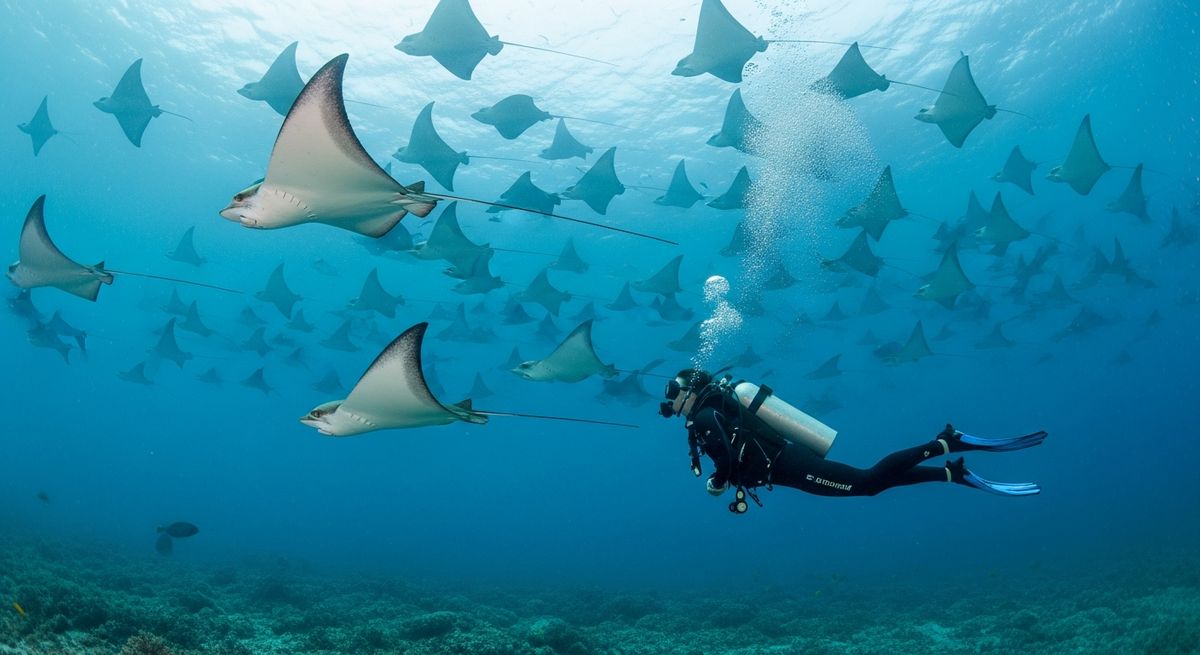
With 376+ marine species recorded in the area - including barracuda, dolphins, humpback whales, octopuses and orcas - Cement Plant offers some of West Coast's richest drift diving. Water ranges 27-30°C, warmest August, September, October.
We love the Cement Plant for its sheer chaos, in the best possible way. This isn't some pristine, intact wreck sitting pretty. Instead, it’s a sprawling, collapsed pier, a tangle of concrete and rebar that’s become an accidental apartment block for all sorts of critters. At just 10 meters, it's a calm, shallow dive, perfect for just kicking back and letting the world drift by. We’ve spent entire dives here, tracing the outline of the old concrete pilings, now encrusted in sponges and soft corals. It’s the kind of site where you’re guaranteed to find something small and interesting tucked away. Look for puffcheek blennies bobbing their heads in tiny crevices, or a shy octopus trying its best camouflage act amongst the rubble. Our favourite part is the hunt for seahorses. They're here, often clinging to a stray piece of rope or a gorgonian, and spotting one feels like winning a tiny lottery. The schools of small herring and silversides can be immense, often attracting hungry tarpon that cruise through the structure with an easy grace. We’d suggest going early in the morning, before the boat traffic picks up, for the calmest water and the best light filtering through the broken concrete. It’s an easy, rewarding dive, especially if you’ve got a macro lens.
Safety Notes
Drift dive - carry a surface marker buoy (SMB) and stay with your group. Brief the current direction before entry.
Nearest Dive Centres to Cement Plant
Dive shops near Cement Plant
BarbadoScuba
Reefers & Wreckers
Hightide Watersports
Salt & Sea Scuba
Reviews for Cement Plant
Conditions
Ocean conditions, forecast and tides for Cement Plant
Cement Plant Ocean Conditions
Monthly averages for Cement Plant, sourced from Open-Meteo marine data - nearest station: Open-Meteo marine grid (13.26, -59.65) (2km away)
October Averages
Sea Temperature
30°C
86°F · Range: 28.9–31.2°C
Air Temperature
28°C
82°F
Wind Speed
5.94 m/s
11.5 knots
Atmospheric Pressure
1012.2 hPa
Based on 4 years of monitoring data · Data sources: Open-Meteo marine data
Plan & book
Ways to dive West Coast, from day trips to liveaboards.
Day trips & courses
via GetYourGuideGuided dives, courses and snorkel trips with instant booking.
Find dive trips in West CoastPlaces to stay
via Booking.comHotels and dive resorts near West Coast.
Search stays in West CoastDive insurance
Most travel insurance excludes or limits scuba. Check what you need before you go.
Dive insurance explainedPartner links: we may earn a commission if you book, at no extra cost to you. How we make money
Where to Stay near Cement Plant
Prices from Booking.com. We may earn a commission at no extra cost to you.