Chub Hole
Protected Area
Grand Cayman East
Why dive here
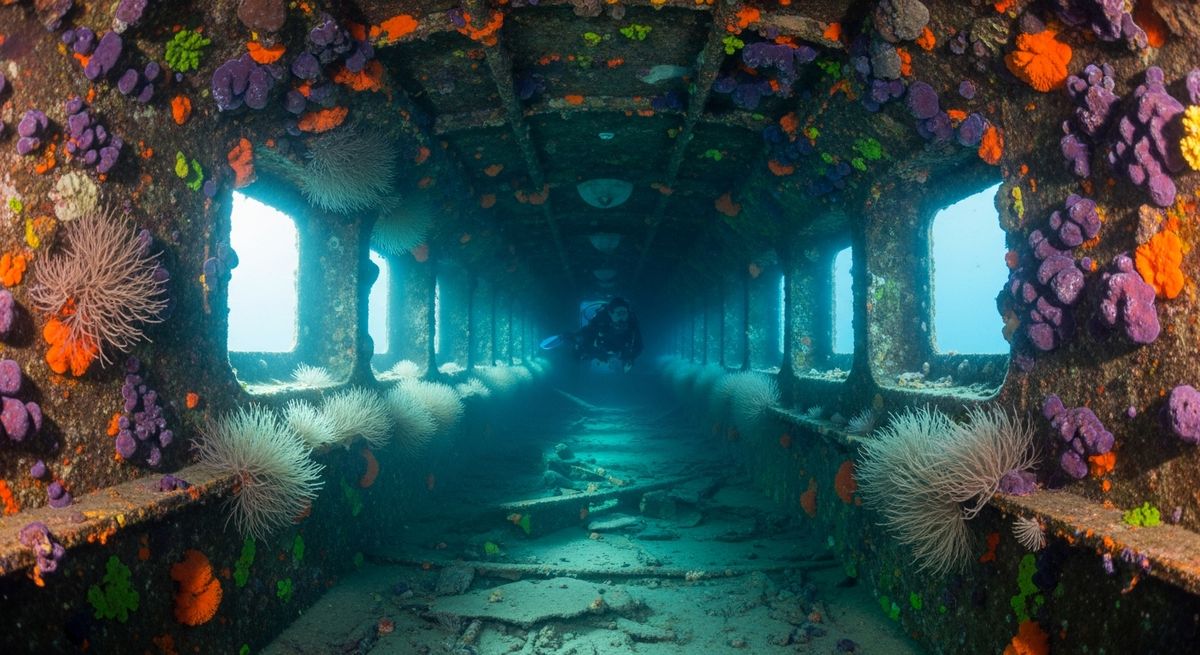
With 327+ marine species recorded in the area - including barracuda, bull sharks, oceanic whitetip sharks, orcas and sea turtles - Chub Hole offers some of Grand Cayman's richest wreck diving. Water ranges 27-31°C, warmest August, September, October.
Chub Hole is pure Grand Cayman magic, an absolute standout for us. You drop onto a mini-wall that’s less a wall and more an architectural marvel, carved with tunnels and archways. We love drifting through them, feeling that slight temperature drop as you enter, then emerging to a burst of sunlight. It’s like a secret passage tour. North of the wall, the reef opens up, towering coral fingers reaching towards the surface. Keep an eye out for the Bermuda Chubb, of course, they hang out in the canyons, often with sleepy Tarpon. Visibility here is usually fantastic, often pushing 25 meters, so you can really appreciate the sheer scale of the coral formations. Look for juvenile fish clouds shimmering above the coral, a real visual feast. It's a relaxed dive, perfect for photographers wanting to explore nooks and crannies without deep deco concerns, and we'd say it’s best enjoyed mid-morning before any crowds arrive.
Safety Notes
Wreck site - avoid penetration without wreck diving certification. Watch for sharp metal and entanglement hazards.
Nearest Dive Centres to Chub Hole
Dive shops near Chub Hole
Tortuga Divers
Ocean Frontiers
Silver Thatch Watersports
Living the Dream Divers
OCTOPUS
Divers Supply
Reviews for Chub Hole
Conditions
Ocean conditions, forecast and tides for Chub Hole
Chub Hole Ocean Conditions
Monthly averages for Chub Hole, sourced from Open-Meteo marine data + Copernicus Marine (EU) - nearest station: Open-Meteo marine grid (19.38, -81.32) (5km away)
October Averages
Sea Temperature
30°C
87°F · Range: 29.1–31.8°C
Current Speed
4.47 cm/s
Direction: NW (296.6°)
Chlorophyll-a
0.045 mg/m³
Very clear (oligotrophic)
Salinity
36.14 PSU
Based on 4 years of monitoring data · Data sources: Open-Meteo marine data + Copernicus Marine (EU)
Plan & book
Ways to dive Grand Cayman, from day trips to liveaboards.
Day trips & courses
via GetYourGuideGuided dives, courses and snorkel trips with instant booking.
Find dive trips in Grand CaymanPlaces to stay
via Booking.comHotels and dive resorts near Grand Cayman.
Search stays in Grand CaymanDive insurance
Most travel insurance excludes or limits scuba. Check what you need before you go.
Dive insurance explainedPartner links: we may earn a commission if you book, at no extra cost to you. How we make money
Where to Stay near Chub Hole
Prices from Booking.com. We may earn a commission at no extra cost to you.