Laura's Reef
Protected Area
South Sound (Grand Cayman)
Why dive here
With 327+ marine species recorded in the area - including barracuda, bull sharks, oceanic whitetip sharks, orcas and sea turtles - Laura's Reef offers some of Grand Cayman's richest reef diving. Water ranges 27-31°C, warmest August, September, October.
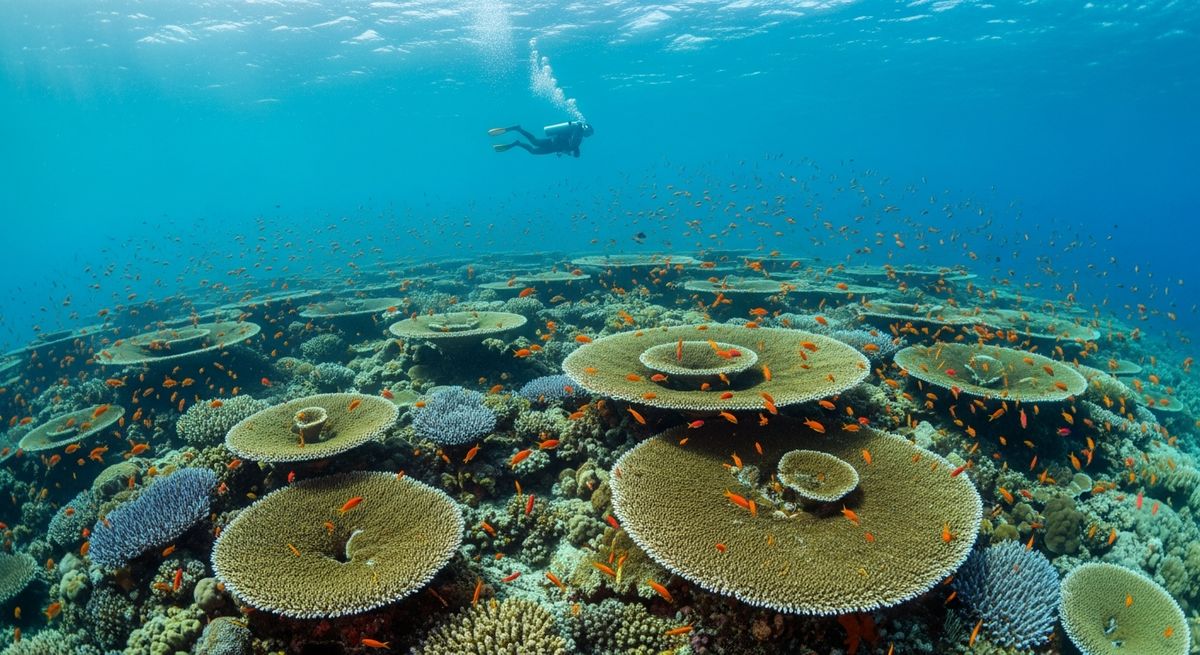
Laura’s Reef, down on Grand Cayman’s South Side, is one of those places we always enjoy, particularly on a calm day. It’s got a real classic Cayman feel, a winding maze of coral fingers and canyons that beg you to just drift through. We love working our way around the corners, spotting nurse sharks tucked under ledges in the shallower sections – a reliable sighting here, which is always fun. The topography is the real draw. You’ll find yourself navigating swim-throughs formed by massive brain corals and branching star corals, before opening out onto sandy patches that just seem to spill towards the deeper water. Keep an eye out for the small stuff, too. We’ve seen blennies peering from holes and the occasional saddle stargazer half-buried in the sand. It’s a site that rewards a slow pace; the more you linger, the more little critters you’ll uncover. For divers who appreciate good reef structure and aren't rushing for pelagics, Laura's Reef offers a relaxing, visually engaging dive down to about 19 meters.
Nearest Dive Centres to Laura's Reef
Dive shops near Laura's Reef
SUNSET DIVERS
Don Foster's Dive Cayman, Ltd.
Atlantis Dive Center
Divers Down
Divers Supply
OCTOPUS
Reviews for Laura's Reef
Conditions
Ocean conditions, forecast and tides for Laura's Reef
Laura's Reef Ocean Conditions
Monthly averages for Laura's Reef, sourced from Open-Meteo marine data + Copernicus Marine (EU) - nearest station: Open-Meteo marine grid (19.38, -81.32) (5km away)
October Averages
Sea Temperature
30°C
87°F · Range: 29.1–31.8°C
Current Speed
4.47 cm/s
Direction: NW (296.6°)
Chlorophyll-a
0.045 mg/m³
Very clear (oligotrophic)
Salinity
36.14 PSU
Based on 4 years of monitoring data · Data sources: Open-Meteo marine data + Copernicus Marine (EU)
Plan & book
Ways to dive Grand Cayman, from day trips to liveaboards.
Day trips & courses
via GetYourGuideGuided dives, courses and snorkel trips with instant booking.
Find dive trips in Grand CaymanPlaces to stay
via Booking.comHotels and dive resorts near Grand Cayman.
Search stays in Grand CaymanDive insurance
Most travel insurance excludes or limits scuba. Check what you need before you go.
Dive insurance explainedPartner links: we may earn a commission if you book, at no extra cost to you. How we make money
Where to Stay near Laura's Reef
Prices from Booking.com. We may earn a commission at no extra cost to you.