West Wall
Protected Area
Bahia de Luperón
Why dive here
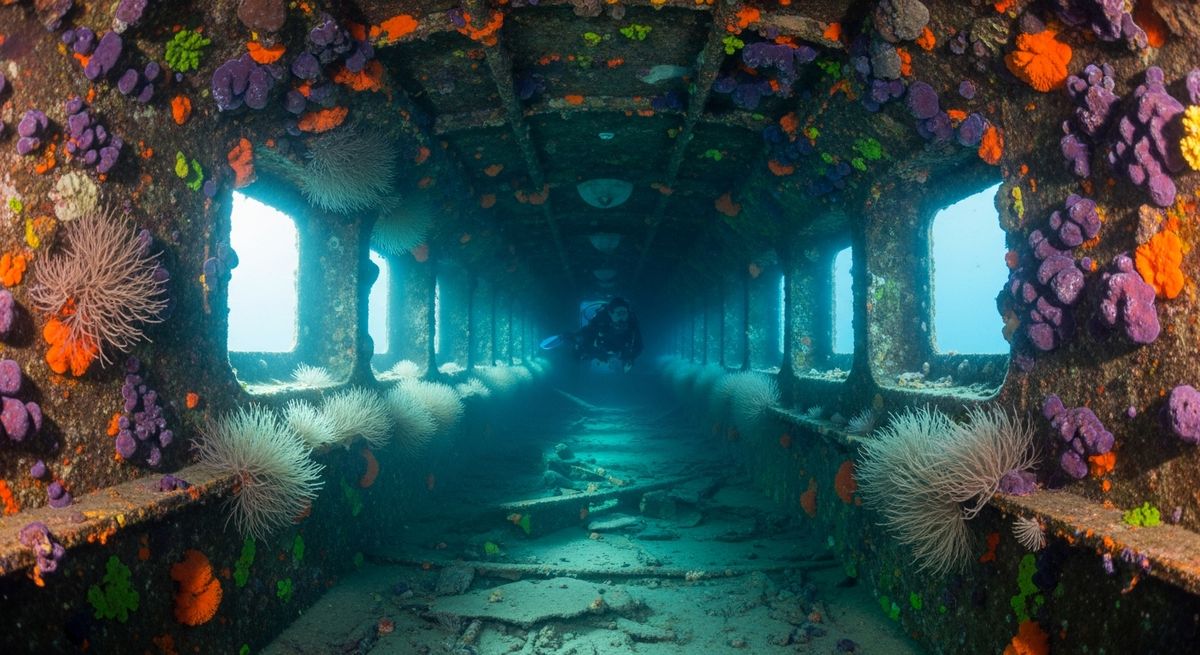
With 232+ marine species recorded in the area - including barracuda, humpback whales, orcas, sea turtles and sperm whales - West Wall offers some of Sosua & Puerto Plata's richest wreck diving. Water ranges 27-30°C, warmest September, October, November.
Just a short hop from Sosua Beach, West Wall feels surprisingly secluded. We like how quickly you drop onto the reef, finding yourself among some impressively healthy coral formations for a site so close to shore. Keep an eye out for those three old Spanish cannons tucked into the wall – they’re a cool find. You’ll usually spot plenty of the usual Caribbean suspects: parrotfish, grunts, and angelfish, with the occasional nurse shark cruising by. It’s a solid pick for a relaxed afternoon dive, topping out at 18 meters, making it approachable for most experience levels.
Safety Notes
Wreck site - avoid penetration without wreck diving certification. Watch for sharp metal and entanglement hazards.
West Wall Wreck History
Year Sunk
1904
Vessel Type
cargo ship
Cause
collision
The Annie Falconer was a classic two-masted schooner plying the waters of the Great Lakes and the St. Lawrence River at the turn of the 20th century. In 1904, while laden with a cargo of coal, she was navigating the river near Brockville when she was struck by the barge 'Severn'. The collision was catastrophic, and the 108-foot wooden vessel quickly sank, settling on the riverbed where she would remain undisturbed for decades.
Today, the Annie Falconer is one of the most celebrated freshwater wrecks in Québec and Ontario's Thousand Islands region. She sits perfectly upright and remarkably intact, a ghostly silhouette in the clear, cool water. Divers are greeted by her proud bowsprit, and can explore a deck that still features deadeyes, railings, and the ship's wheel. The masts remain standing, pointing towards the surface they last saw over a century ago. Her accessibility and incredible state of preservation make the Annie Falconer a truly unforgettable dive and a beautiful window into the region's maritime past.
Nearest Dive Centres to West Wall
Dive shops near West Wall
View all dive centres in Sosua & Puerto PlataReviews for West Wall
Conditions
Ocean conditions, forecast and tides for West Wall
West Wall Ocean Conditions
Monthly averages for West Wall, sourced from Open-Meteo marine data - nearest station: Open-Meteo marine grid (19.76, -70.55) (24km away)
October Averages
Sea Temperature
30°C
86°F · Range: 27.7–31.1°C
Air Temperature
27°C
80°F
Wind Speed
4.26 m/s
8.3 knots
Atmospheric Pressure
1012.7 hPa
Based on 4 years of monitoring data · Data sources: Open-Meteo marine data
Plan & book
Ways to dive Sosua & Puerto Plata, from day trips to liveaboards.
Day trips & courses
via GetYourGuideGuided dives, courses and snorkel trips with instant booking.
Find dive trips in Sosua & Puerto PlataPlaces to stay
via Booking.comHotels and dive resorts near Sosua & Puerto Plata.
Search stays in Sosua & Puerto PlataDive insurance
Most travel insurance excludes or limits scuba. Check what you need before you go.
Dive insurance explainedPartner links: we may earn a commission if you book, at no extra cost to you. How we make money
Where to Stay near West Wall
Prices from Booking.com. We may earn a commission at no extra cost to you.