Kansas Reef
Protected Area
Grand Anse
Why dive here
With 263+ marine species recorded in the area - including barracuda, humpback whales, nurse sharks, orcas and sea turtles - Kansas Reef offers some of Southwest Coast's richest wreck diving. Water ranges 27-30°C, warmest August, September, October.
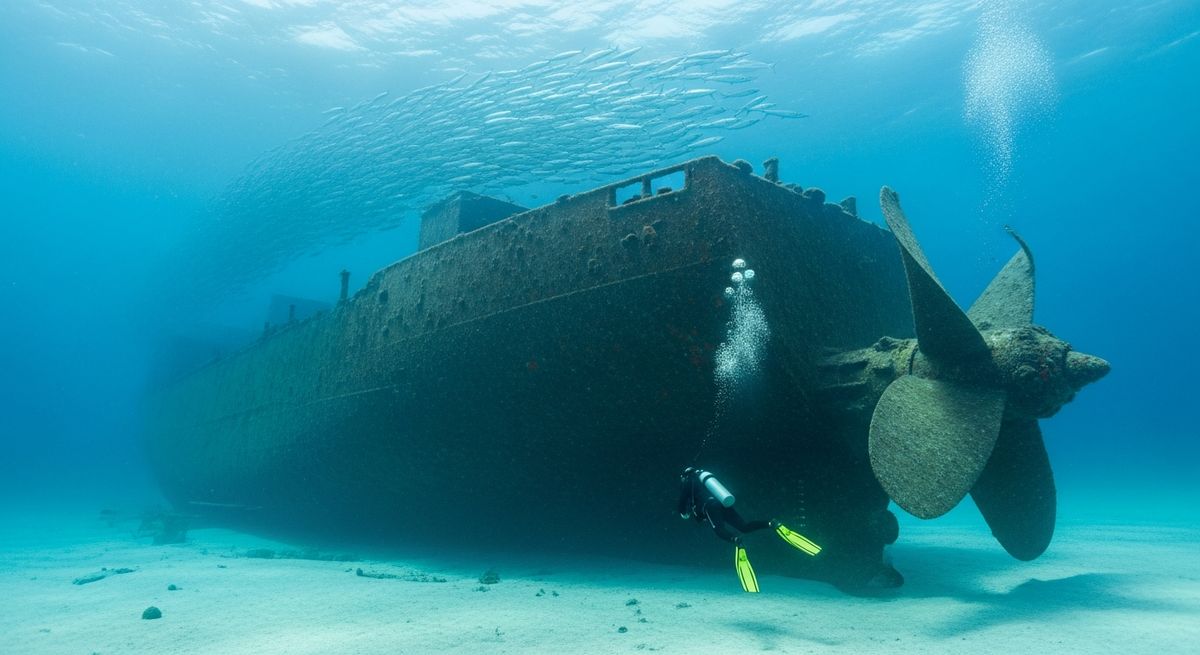
Kansas Reef is one of those sites that just feels alive. We've always been drawn to how the sea plumes here sway, catching the current, reminding us of fields of wheat – a nod to its name. Dropping in, you're immediately struck by the sheer volume of French grunts and glassy sweepers schooling, often so thick they dim the light. Keep an eye out for the mottled jawfish, they’re usually bobbing near their burrows, and we’ve often spotted orangespotted filefish picking their way through the corals. This isn’t a deep site, maxing out around 23 meters, but the currents can be lively, so it’s best for divers comfortable with a bit of drift. Our top tip? Go in the late morning, the light filters through the swaying corals beautifully then, and we've found that's when the barracuda are most active, often cruising just above the reef. You’ll definitely see black durgon and creole wrasse feeding in the current, and if you’re lucky, an eagle ray might glide past in the deeper sections. It's a proper reef dive, full of movement and life, perfect for those who enjoy a dynamic environment rather than just static observation.
Safety Notes
Wreck site - avoid penetration without wreck diving certification. Watch for sharp metal and entanglement hazards.
Nearest Dive Centres to Kansas Reef
Dive shops near Kansas Reef
Dive Grenada
Aquanauts Grenada
Scuba West Indies
Sandals La Source
Reviews for Kansas Reef
Conditions
Ocean conditions, forecast and tides for Kansas Reef
Kansas Reef Ocean Conditions
Monthly averages for Kansas Reef, sourced from Open-Meteo marine data - nearest station: Open-Meteo marine grid (12.03, -61.78) (0km away)
October Averages
Sea Temperature
30°C
86°F · Range: 29–31.7°C
Air Temperature
28°C
82°F
Wind Speed
5.61 m/s
10.9 knots
Atmospheric Pressure
1011.8 hPa
Based on 4 years of monitoring data · Data sources: Open-Meteo marine data
Plan & book
Ways to dive Southwest Coast, from day trips to liveaboards.
Day trips & courses
via GetYourGuideGuided dives, courses and snorkel trips with instant booking.
Find dive trips in Southwest CoastPlaces to stay
via Booking.comHotels and dive resorts near Southwest Coast.
Search stays in Southwest CoastDive insurance
Most travel insurance excludes or limits scuba. Check what you need before you go.
Dive insurance explainedPartner links: we may earn a commission if you book, at no extra cost to you. How we make money
Where to Stay near Kansas Reef
Prices from Booking.com. We may earn a commission at no extra cost to you.