Tawali Dive Resort
Milne Bay, Papua New Guinea
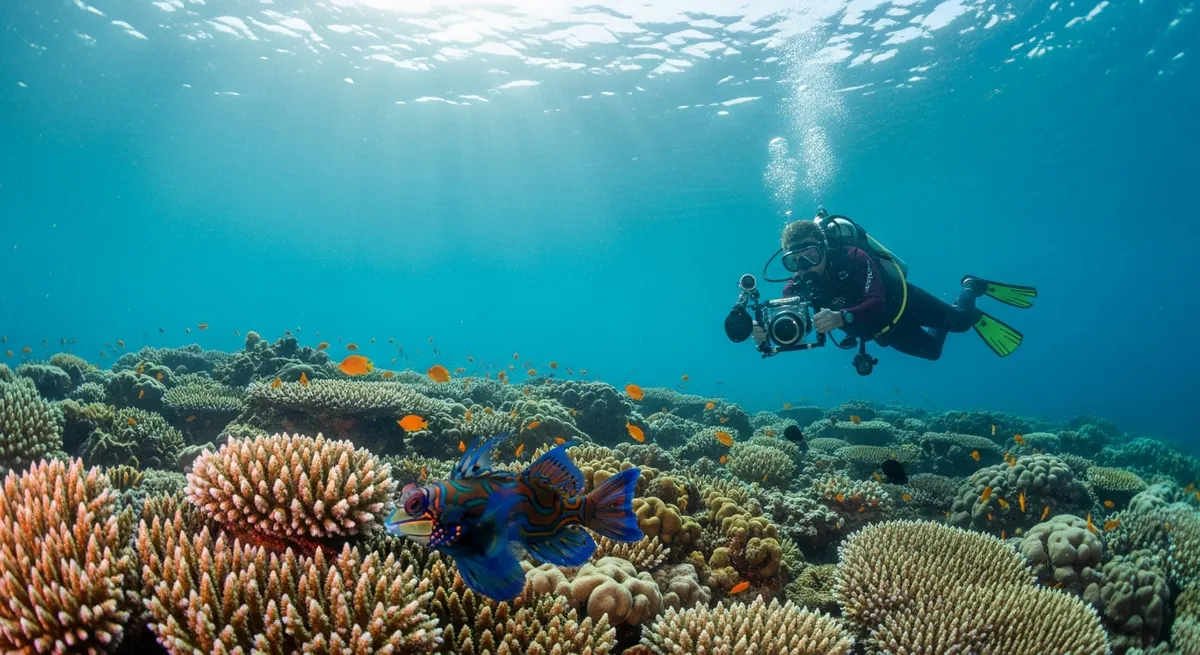
Tawali Dive Resort feels a bit like stepping back in time, in the best possible way. Perched high on a cliff overlooking Milne Bay, it’s a place that understands why you’ve come: to dive. They specialise in small group experiences, meaning you get personal attention and uncrowded dive sites. If you’re looking to truly disconnect and explore some of PNG's less-dived spots, with an emphasis on macro critters and pristine reefs, this is a solid choice. We found the resort’s local guides were exceptional at spotting the tiny stuff – pygmy seahorses, unusual nudibranchs, and the like – which is a huge plus for photographers.
Contact Details
Milne Bay, Hewiia, Papua New Guinea
Diving Capabilities
Dive Sites near Tawali Dive Resort
ADMIRAL WILEY
American PT Cruisers
Banana Bommie
BlackJack
Dart Reefs
Dinah’s Beach
Dorasi Shoal
Lauadi
Milne Bay
Paradise Point
Other Dive Centres in Milne Bay
Where to Stay near Tawali Dive Resort
Prices from Booking.com. We may earn a commission at no extra cost to you.
Reviews for Tawali Dive Resort
Run Tawali Dive Resort? Get a free dive conditions widget for your website.