Charapoanna Point
Protected Area
Variparui Island
Why dive here
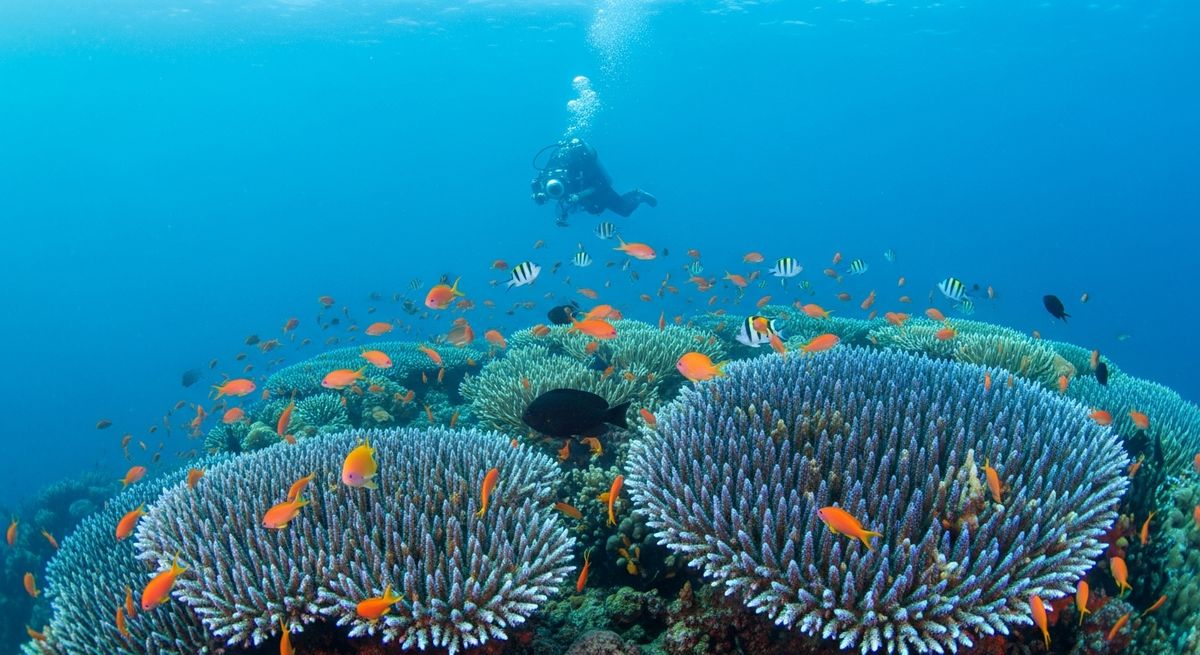
With 391+ marine species recorded in the area - including barracuda, blacktip reef sharks, grey reef sharks, humpback whales and orcas - Charapoanna Point offers some of Iron Bottom Sound's richest reef diving. Water ranges 29-31°C, warmest January, April, December.
Charapoanna Point is a dive we always recommend for that classic Iron Bottom Sound drift. It's a proper ride when the current picks up, so we always check the tides – you want that gentle push, not a washing machine. Dropping in, you're immediately swept past some seriously healthy coral, a real colourful strip of hard and soft stuff. We love the feeling of just gliding along, watching the reef unfold. The fish action here is constant. Schools of beautiful fusiliers are everywhere, so thick sometimes they just block out the light. We've seen plenty of grey reef sharks cruising by, and our favourite has to be spotting the hound needlefish just beneath the surface, looking prehistoric. Keep an eye out for the smaller stuff too, like the blue-lined tangs darting amongst the coral and the occasional pinktail triggerfish. If you're into a dynamic, fish-filled drift with excellent visibility, Charapoanna is a solid choice. Just be ready for that current.
Typical Charapoanna Point Dive Profile
Illustrative profile based on site depth and type. Actual dive profiles vary - always follow your dive computer and training.
Nearest Dive Centres to Charapoanna Point
Dive shops near Charapoanna Point
View all dive centres in Iron Bottom SoundReviews for Charapoanna Point
Conditions
Ocean conditions, forecast and tides for Charapoanna Point
Charapoanna Point Ocean Conditions
Monthly averages for Charapoanna Point, sourced from Open-Meteo marine data - nearest station: Open-Meteo marine grid (-9.03, 159.16) (58km away)
October Averages
Sea Temperature
30°C
85°F · Range: 28.7–30.5°C
Air Temperature
27°C
80°F
Wind Speed
3.74 m/s
7.3 knots
Atmospheric Pressure
1010.5 hPa
Based on 4 years of monitoring data · Data sources: Open-Meteo marine data
Plan & book
Ways to dive Iron Bottom Sound, from day trips to liveaboards.
Day trips & courses
via GetYourGuideGuided dives, courses and snorkel trips with instant booking.
Find dive trips in Iron Bottom SoundPlaces to stay
via Booking.comHotels and dive resorts near Iron Bottom Sound.
Search stays in Iron Bottom SoundDive insurance
Most travel insurance excludes or limits scuba. Check what you need before you go.
Dive insurance explainedPartner links: we may earn a commission if you book, at no extra cost to you. How we make money
Where to Stay near Charapoanna Point
Prices from Booking.com. We may earn a commission at no extra cost to you.