Erik’s Encounter - Iron Bottom Sound

Kapal Wall sits just a 20-minute boat ride from the Lombok mainland, off the small sand island of Gili Kapal. We’ve found the site offers a solid mix, transitioning from a gentle, sandy slope down to about 12 metres before dropping into a wall that hits around 23 metres. Visibility usually hovers around 15 metres here. Look for the residents: Lighthouse lizardfish often perch on the sandy sections, and we’ve spotted Comettailed wrasse darting between the coral heads. Keep an eye out for Brown-lined Puffer and the elusive Blue Whiptail too. This site is a good pick for divers who appreciate a relaxed pace and aren’t chasing big pelagics, preferring to spend time finding the smaller, more unusual reef fish.

Location
Iron Bottom Sound, Solomon Islands, Central & South Pacific
Coordinates
-7.493900, 158.708900
Type
wall

Marine Protected Area: Kia

Best Time to Dive in Iron Bottom Sound

The warmest water temperatures in Iron Bottom Sound occur in January, averaging 30.5°C. The coolest conditions are in December at 30.5°C.

Monthly Water Temperatures

  • January: 30.5°C (air: 26.9°C)
  • February: 30.5°C (air: 26.7°C)
  • March: 30.5°C (air: 26.7°C)
  • April: 30.5°C (air: 26.8°C)
  • May: 30.5°C (air: 26.9°C)
  • June: 30.5°C (air: 26.5°C)
  • July: 30.5°C (air: 26.5°C)
  • August: 30.5°C (air: 26.3°C)
  • September: 30.5°C (air: 26.5°C)
  • October: 30.5°C (air: 26.7°C)
  • November: 30.5°C (air: 26.7°C)
  • December: 30.5°C (air: 26.9°C)

Nearby Dive Sites in Iron Bottom Sound

Nearest Dive Centres to Erik’s Encounter

Marine Life in Iron Bottom Sound

Home to 415 recorded species including 320 reef fish, 29 hard corals, 18 sea snails & nudibranchs, 16 sea cucumbers, 7 seagrass & algae, 5 clams & mussels.

Notable Species

Recommended Packing List for Erik’s Encounter

Based on average water temperature of 30.5°C.

  • Shorty or Rashguard - warm 30°C water needs minimal exposure protection
  • Mask - essential for every dive
  • Fins
  • BCD - buoyancy compensator
  • Regulator - your most safety-critical piece of gear
  • Dive Computer - tracks depth, time, and NDL
  • Surface Marker Buoy (SMB) - essential for boat pickups
  • Dive Torch - useful for crevices and colour at depth
  • Underwater Camera - capture your diving memories

Frequently Asked Questions

What is the typical depth range for a dive at Erik's Encounter?
Dives at Erik's Encounter typically range from 5 meters, where the wall begins, down to a maximum depth of 24 meters. While the wall itself extends beyond 30 meters, the recommended maximum depth for recreational diving at this site is 24 meters. This range allows divers to explore the vibrant upper and mid-sections of the wall.
What kind of marine life and underwater features can divers expect to see at Erik's Encounter?
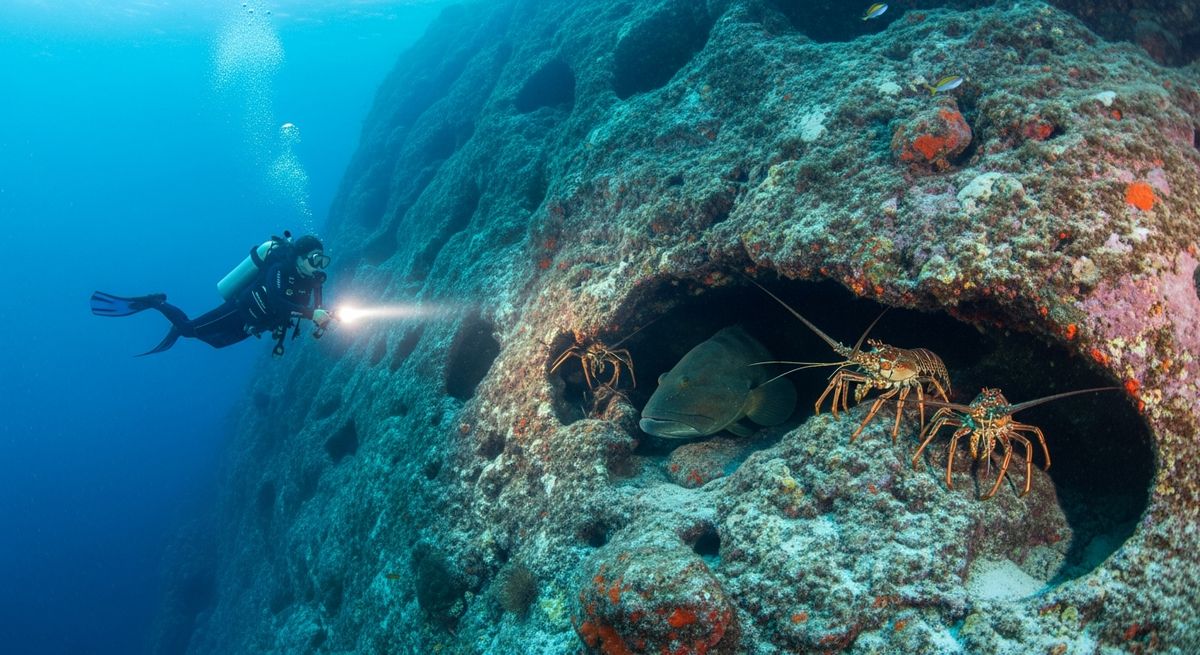
Divers at Erik's Encounter can explore a magnificent 400-meter-long wall, which is the primary underwater feature. This vibrant wall is home to a large array of species, including clownfish, nudibranchs, angelfish, triggerfish, and batfish. Keep an eye out for eagle rays and reef sharks, which are often spotted, especially at deeper sections of the wall, adding to the rich marine life experience.
How challenging is diving at Erik's Encounter, and is it suitable for beginner divers?
Diving at Erik's Encounter is rated as intermediate due to its exposure to large swells on windy days and bi-directional currents influenced by tidal movements. Therefore, it is generally not recommended for beginner divers. Divers should have experience managing currents and potentially choppy surface conditions to safely enjoy this site.
What is the best time of year or day to dive Erik's Encounter for optimal conditions and marine sightings?
The provided data does not specify a "best time of year" for diving Erik's Encounter. However, it notes that the site is exposed to large swell on windy days, suggesting calmer conditions would be preferable. Additionally, bi-directional currents are influenced by tidal movements, so consulting local tide charts would be beneficial for optimal conditions and marine sightings, as detailed in our when to dive guide.
Are there any specific certifications or experience levels required to dive Erik's Encounter?
While no specific certifications are explicitly listed, Erik's Encounter is classified as an intermediate dive site. This rating suggests divers should possess adequate experience in varying conditions, including managing currents and potential swells. It is advisable to have advanced open water certification or equivalent experience to safely navigate this dive.
What are the typical current conditions and visibility like at Erik's Encounter?
Erik's Encounter experiences bi-directional currents that are influenced by tidal movements, so divers should be prepared for varying flow. The average visibility at this site is a clear 14 meters, offering excellent views of the 400-meter wall and its abundant marine life. Divers should consult local conditions before planning their dive.