Florida Islands - Iron Bottom Sound

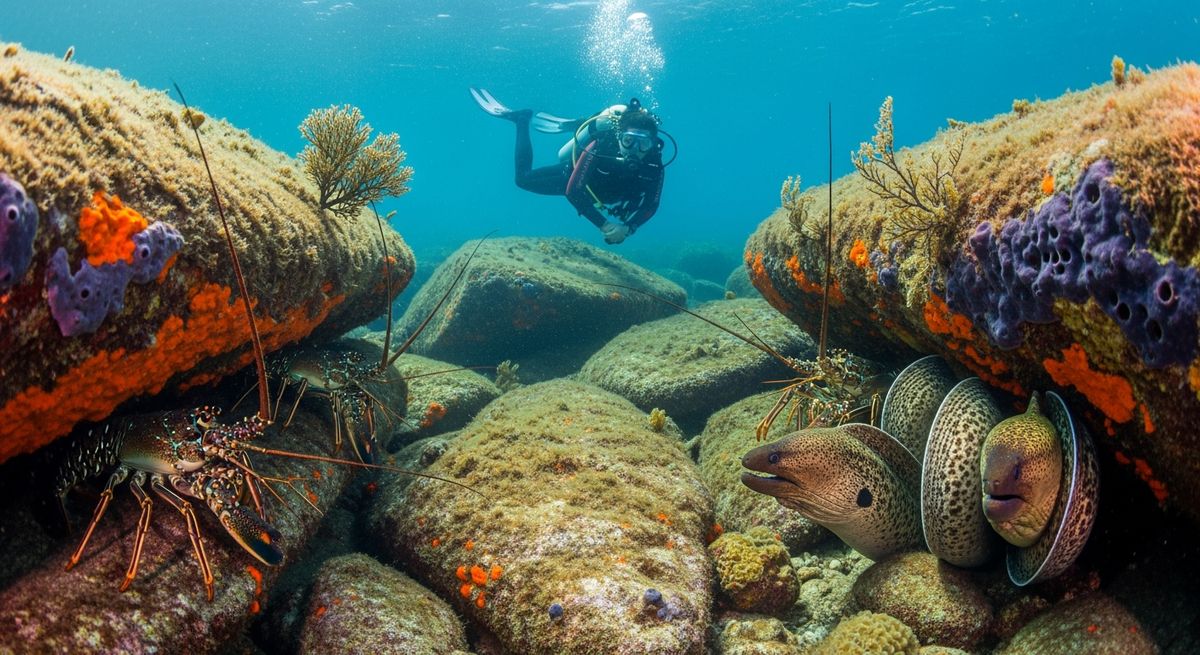
The Florida Islands, just a short hop from Honiara, are usually a staple on any liveaboard hitting Iron Bottom Sound. While we mostly come here for the WWII wrecks-Tulagi’s seafloor is practically a museum of cruisers, destroyers, and forgotten seaplanes-there’s plenty else going on. We love poking around the muck sites and seagrass beds for the smaller stuff, sometimes even finding a manta ray colony feeding if the conditions are right. It’s a good spot for divers who appreciate both history and the subtle beauty of macro life.

Location
Iron Bottom Sound, Solomon Islands, Central & South Pacific
Coordinates
-9.083300, 160.133300

Marine Protected Area: Tulagi Island

Best Time to Dive in Iron Bottom Sound

The warmest water temperatures in Iron Bottom Sound occur in January, averaging 30.5°C. The coolest conditions are in December at 30.5°C.

Monthly Water Temperatures

  • January: 30.5°C (air: 26.9°C)
  • February: 30.5°C (air: 26.7°C)
  • March: 30.5°C (air: 26.7°C)
  • April: 30.5°C (air: 26.8°C)
  • May: 30.5°C (air: 26.9°C)
  • June: 30.5°C (air: 26.5°C)
  • July: 30.5°C (air: 26.5°C)
  • August: 30.5°C (air: 26.3°C)
  • September: 30.5°C (air: 26.5°C)
  • October: 30.5°C (air: 26.7°C)
  • November: 30.5°C (air: 26.7°C)
  • December: 30.5°C (air: 26.9°C)

Nearby Dive Sites in Iron Bottom Sound

Nearest Dive Centres to Florida Islands

Marine Life in Iron Bottom Sound

Home to 415 recorded species including 320 reef fish, 29 hard corals, 18 sea snails & nudibranchs, 16 sea cucumbers, 7 seagrass & algae, 5 clams & mussels.

Notable Species

Recommended Packing List for Florida Islands

Based on average water temperature of 30.5°C.

  • Shorty or Rashguard - warm 30°C water needs minimal exposure protection
  • Mask - essential for every dive
  • Fins
  • BCD - buoyancy compensator
  • Regulator - your most safety-critical piece of gear
  • Dive Computer - tracks depth, time, and NDL
  • Surface Marker Buoy (SMB) - essential for boat pickups
  • Dive Torch - useful for crevices and colour at depth
  • Underwater Camera - capture your diving memories

Frequently Asked Questions

What are the typical dive depths for reefs and wrecks in the Florida Keys?
The provided data context describes dive sites in the Florida Islands, Iron Bottom Sound, Solomon Islands, not the Florida Keys. Therefore, we do not have specific information regarding typical dive depths for reefs and wrecks in the Florida Keys based on the given data. For the Florida Islands, the typical dive depth is listed as Unknown.
What kind of marine life and underwater attractions can divers expect to see in the Florida Keys?
The provided data context details attractions for the Florida Islands, Iron Bottom Sound, Solomon Islands, not the Florida Keys. In the Florida Islands, divers can explore WWII wreck dives including cruisers, destroyers, and sea planes, alongside amazing macro and muck diving sites. There are also pinnacles, sandy channels, seagrass beds, and a great spot to observe giant manta ray feeding behavior.
How challenging is diving in the Florida Keys, and are there sites suitable for beginners?
The provided data context relates to the Florida Islands, Iron Bottom Sound, Solomon Islands, not the Florida Keys. For the Florida Islands, the diving difficulty is rated as intermediate. We do not have information on the challenge level or suitability for beginners in the Florida Keys from the given data.
When is the best time of year to go diving in the Florida Keys for optimal conditions and marine life?
The provided data context focuses on the Florida Islands, Iron Bottom Sound, Solomon Islands, not the Florida Keys. Unfortunately, the given data does not include information about the best time of year for diving in either location. For general guidance on optimal diving conditions, please visit our When to Dive section.
What scuba diving certifications are required or recommended for diving in the Florida Keys?
The provided data context describes dive sites in the Florida Islands, Iron Bottom Sound, Solomon Islands, not the Florida Keys. The given data does not specify any required or recommended scuba diving certifications for either location. Divers should always ensure they have appropriate certification for their chosen dive sites and conditions.
What are the typical water conditions, currents, and visibility like when diving in the Florida Keys?
The provided data context pertains to the Florida Islands, Iron Bottom Sound, Solomon Islands, not the Florida Keys. The given data does not contain specific information regarding typical water conditions, currents, or visibility for either the Florida Keys or the Florida Islands. Therefore, we cannot provide details on these aspects based on the provided context.