HMNZS Moa (Wreck)
Protected Area
Tulagi Island
Why dive here
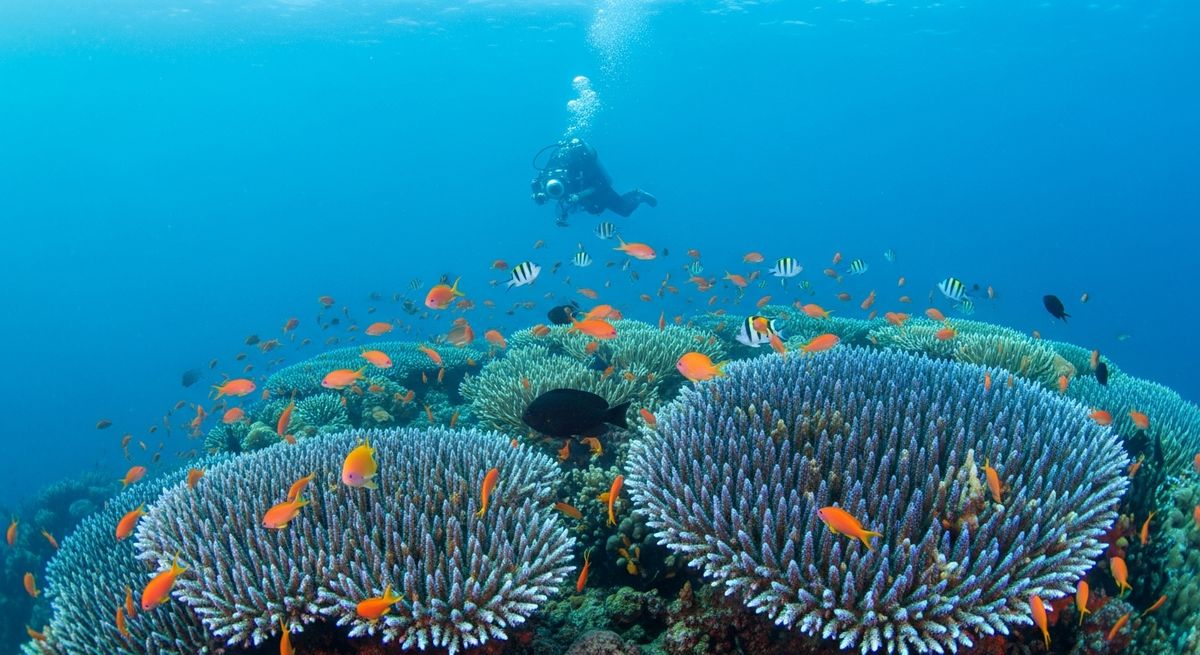
With 391+ marine species recorded in the area - including barracuda, blacktip reef sharks, grey reef sharks, humpback whales and orcas - HMNZS Moa (Wreck) offers some of Iron Bottom Sound's richest reef diving. Water ranges 29-31°C, warmest January, April, December.
The HMNZS Moa isn’t your typical clear-water Solomon Islands wreck. We're talking Tulagi Harbour, so prepare for average visibility – usually around eight metres. But that's part of its charm. Dropping onto the Moa at 35 metres, you really feel the history. You’re navigating through the gloom, past schools of juvenile trevally and mangrove jacks, a real ghost ship vibe. Our favourite detail? The sheer number of lionfish scattered throughout the superstructure, practically posing for photos. It’s a site for those who appreciate the story as much as the corals. You can explore the bow gun, the bridge area, and the stern, all while keeping an eye out for batfish cruising by. It’s a proper wreck dive, moody and memorable, best suited for experienced divers comfortable with lower visibility.
Typical HMNZS Moa (Wreck) Dive Profile
Illustrative profile based on site depth and type. Actual dive profiles vary - always follow your dive computer and training.
Safety Notes
Always perform a 3-minute safety stop at 5m before surfacing.
Nearest Dive Centres to HMNZS Moa (Wreck)
Dive shops near HMNZS Moa (Wreck)
View all dive centres in Iron Bottom SoundReviews for HMNZS Moa (Wreck)
Conditions
Ocean conditions, forecast and tides for HMNZS Moa (Wreck)
HMNZS Moa (Wreck) Ocean Conditions
Monthly averages for HMNZS Moa (Wreck), sourced from Open-Meteo marine data - nearest station: Open-Meteo marine grid (-9.03, 159.16) (58km away)
October Averages
Sea Temperature
30°C
85°F · Range: 28.7–30.5°C
Air Temperature
27°C
80°F
Wind Speed
3.74 m/s
7.3 knots
Atmospheric Pressure
1010.5 hPa
Based on 4 years of monitoring data · Data sources: Open-Meteo marine data
Plan & book
Ways to dive Iron Bottom Sound, from day trips to liveaboards.
Day trips & courses
via GetYourGuideGuided dives, courses and snorkel trips with instant booking.
Find dive trips in Iron Bottom SoundPlaces to stay
via Booking.comHotels and dive resorts near Iron Bottom Sound.
Search stays in Iron Bottom SoundDive insurance
Most travel insurance excludes or limits scuba. Check what you need before you go.
Dive insurance explainedPartner links: we may earn a commission if you book, at no extra cost to you. How we make money
Where to Stay near HMNZS Moa (Wreck)
Prices from Booking.com. We may earn a commission at no extra cost to you.