Igloo
Protected Area
Diani Chale Marine
Why dive here
With 408+ marine species recorded in the area - including barracuda, blacktip reef sharks, giant moray eels, humpback whales and octopuses - Igloo offers some of Diani Beach & South Coast's richest wreck diving. Water ranges 26-30°C, warmest March, April, December.
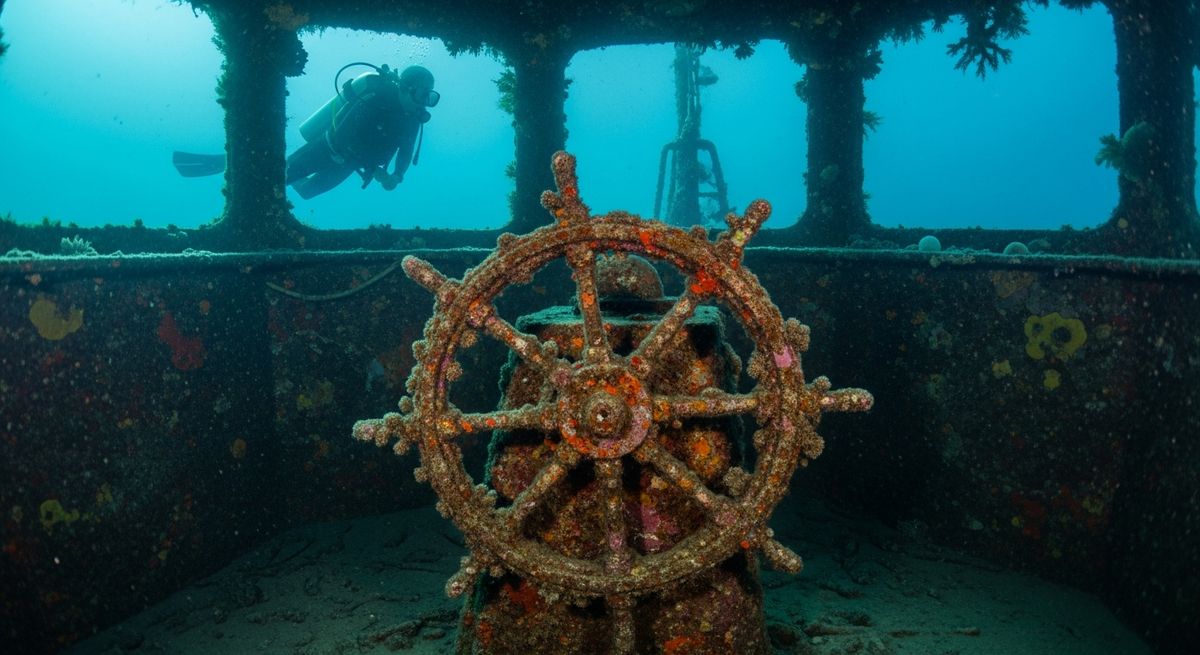
Igloo is a weird, wonderful little spot off Diani, and we absolutely love it for that. Forget your natural reefs for a minute; this site is all about an abandoned underwater habitat, a concrete dome that looks like it dropped out of a sci-fi movie. We've heard it called an igloo, or even the Death Star, and it really does have that stark, almost alien feel. What makes it special, though, is how nature has completely reclaimed it. The structure itself is a magnet for life, with nooks and crannies absolutely crammed with fusiliers and schooling snapper. At a maximum depth of 18 meters, it’s a chilled-out dive, perfect for a relaxed afternoon. The average visibility hovers around 12 meters, which is plenty to appreciate the details. We often find ourselves circling the main dome, peering into crevices for moray eels – the undulated morays are quite common here. Lionfish are usually perched on top, posing for photos, and if you’re lucky, you might even spot a marbled spinefoot grazing on the algae that now coats the concrete. It’s a site that suits anyone looking for something a bit different, a dive with a story, and a chance to see how quickly the ocean embraces man-made structures.
Safety Notes
Wreck site - avoid penetration without wreck diving certification. Watch for sharp metal and entanglement hazards.
Nearest Dive Centres to Igloo
Dive shops near Igloo
Diving The Crab
Ocean Tribe
Yellow Fins Dive Center
Diving Center
The Scuba Duka
ReefoDivers Diani
Reviews for Igloo
Conditions
Ocean conditions, forecast and tides for Igloo
Igloo Ocean Conditions
Monthly averages for Igloo, sourced from Open-Meteo marine data - nearest station: Open-Meteo marine grid (-4.27, 39.61) (1km away)
October Averages
Sea Temperature
27°C
81°F · Range: 25.3–28.7°C
Air Temperature
26°C
79°F
Wind Speed
5.22 m/s
10.1 knots
Atmospheric Pressure
1013.7 hPa
Based on 4 years of monitoring data · Data sources: Open-Meteo marine data
Plan & book
Ways to dive Diani Beach & South Coast, from day trips to liveaboards.
Day trips & courses
via GetYourGuideGuided dives, courses and snorkel trips with instant booking.
Find dive trips in Diani Beach & South CoastPlaces to stay
via Booking.comHotels and dive resorts near Diani Beach & South Coast.
Search stays in Diani Beach & South CoastDive insurance
Most travel insurance excludes or limits scuba. Check what you need before you go.
Dive insurance explainedPartner links: we may earn a commission if you book, at no extra cost to you. How we make money
Where to Stay near Igloo
Prices from Booking.com. We may earn a commission at no extra cost to you.