Kongo - Diani Beach & South Coast

Moonlight gets its name for a reason, and it’s not because we like to dive it under the full moon (though we wouldn't say no). It’s because even in the middle of the day, there's this soft, diffused light that seems to filter down through the water, especially along the top of the reef. We really like starting here, cruising over the shallow coral heads where the light plays, before drifting out to the wall. The wall itself is beautiful, dropping to about 18m, with plenty of overhangs and crevices to explore. Keep an eye out for the smaller stuff – we've spotted Eyed Flounders perfectly camouflaged on sandy ledges and sometimes a Pygmy Moray peeking out of a hole. The sandy patches near the mooring lines are fantastic for spotting those shy Goldspot Gobies and their shrimp buddies, or maybe a Coney just hanging out. We’ve had some good luck finding Plumed Scorpionfish here too, almost invisible against the sponges. Visibility averages around 20m, so you get a great sense of the scale of the wall as you drift. It’s a pretty chill dive, great for anyone who enjoys a relaxed cruise along a vibrant reef edge without too much fuss.

Location
Diani Beach & South Coast, Kenya, Indian Ocean & East Africa
Coordinates
-4.272100, 39.607700
Type
reef

Marine Protected Area: Diani Chale Marine

Best Time to Dive in Diani Beach & South Coast

The warmest water temperatures in Diani Beach & South Coast occur in January, averaging 28.1°C. The coolest conditions are in December at 28.1°C.

Monthly Water Temperatures

  • January: 28.1°C (air: 27.7°C)
  • February: 28.1°C (air: 28.2°C)
  • March: 28.1°C (air: 28.1°C)
  • April: 28.1°C (air: 26.7°C)
  • May: 28.1°C (air: 26.2°C)
  • June: 28.1°C (air: 25.3°C)
  • July: 28.1°C (air: 24.4°C)
  • August: 28.1°C (air: 24.5°C)
  • September: 28.1°C (air: 25.2°C)
  • October: 28.1°C (air: 26.2°C)
  • November: 28.1°C (air: 26.7°C)
  • December: 28.1°C (air: 27.2°C)

Nearby Dive Sites in Diani Beach & South Coast

Nearest Dive Centres to Kongo

Marine Life in Diani Beach & South Coast

Home to 446 recorded species including 284 reef fish, 96 hard corals, 27 seagrass & algae, 7 sea snails & nudibranchs, 7 sea cucumbers, 5 crabs & lobsters.

Notable Species

Recommended Packing List for Kongo

Based on average water temperature of 28.1°C.

  • Shorty or Rashguard - warm 28°C water needs minimal exposure protection
  • Mask - essential for every dive
  • Fins
  • BCD - buoyancy compensator
  • Regulator - your most safety-critical piece of gear
  • Dive Computer - tracks depth, time, and NDL
  • Surface Marker Buoy (SMB) - essential for boat pickups
  • Dive Torch - useful for crevices and colour at depth
  • Underwater Camera - capture your diving memories

Frequently Asked Questions

What is the typical depth range for diving at the Kongo dive site?
The Kongo dive site features a gently sloping fringing reef, with typical dive depths ranging from approximately 7 meters down to a maximum of 18 meters. This makes it an excellent site for exploring the vibrant reef structure.
What kind of marine life and underwater features can divers expect to see at the Kongo dive site?
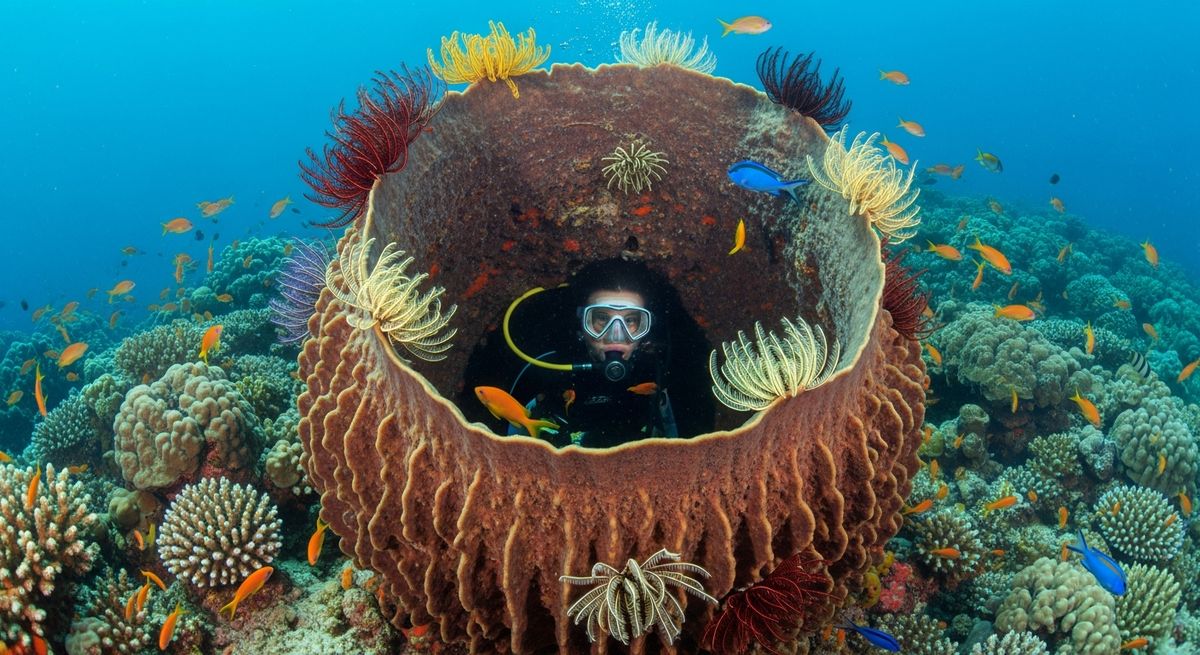
Divers at the Kongo dive site can expect to explore a beautiful gently sloping fringing reef, richly adorned with a variety of hard and soft corals. The vibrant ecosystem is home to common sightings such as green and hawksbill turtles, moray eels, nudibranchs, clownfish, surgeonfish, and Moorish idols.
How challenging are the dives at the Kongo dive site, and is it suitable for beginners?
The Kongo dive site is rated as intermediate in difficulty. While it offers a rewarding experience, it is generally not recommended for absolute beginners. Divers should possess the necessary skills and experience for intermediate diving conditions.
When is the best time of year to dive the Kongo dive site for optimal visibility and conditions?
Based on the provided data, specific information regarding the best time of year for optimal visibility and conditions at the Kongo dive site is not available. For general guidance on seasonal diving conditions in the region, please consult our When to Dive section.
What scuba diving certifications are required or recommended for diving at the Kongo dive site?
Given that the Kongo dive site is rated as intermediate in difficulty, it is recommended that divers hold at least an Advanced Open Water certification or equivalent experience. This ensures you are adequately prepared for the typical conditions and depths encountered here.
What are the typical current and visibility conditions like at the Kongo dive site?
Divers at the Kongo dive site can expect an average visibility of 14 meters, offering clear views of the vibrant reef and marine life. Specific information regarding typical current conditions at this site is not provided in our current data.