Tug 2, Wreck
Protected Area
Black River Fishing Reserve
Why dive here
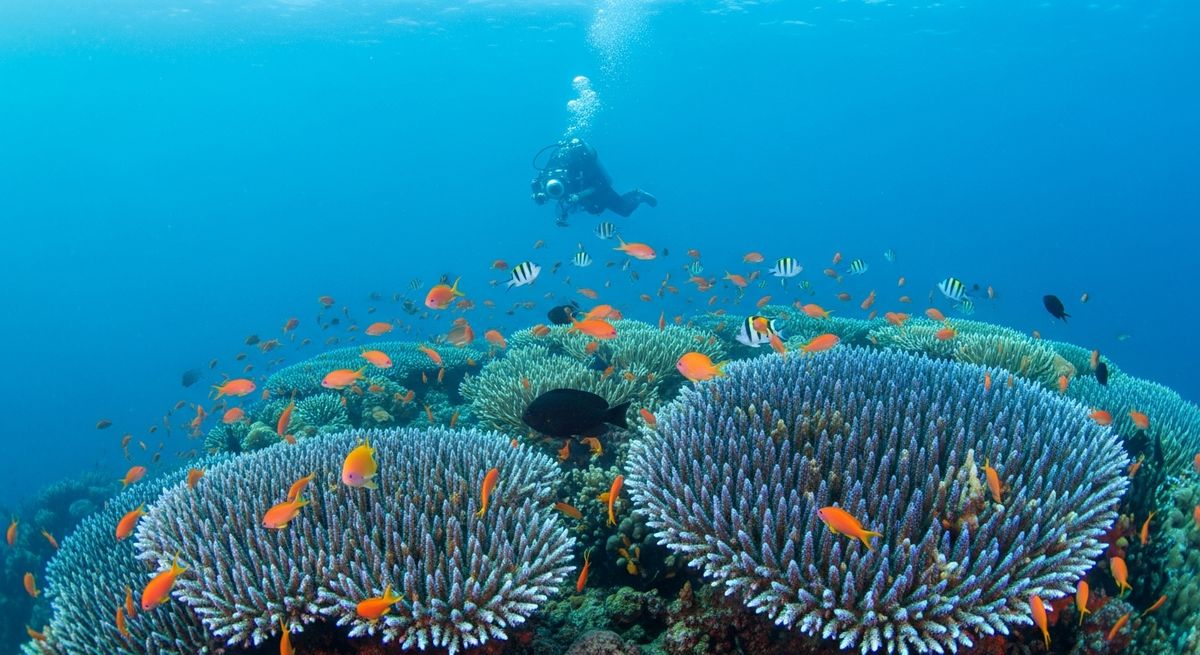
With 434+ marine species recorded in the area - including barracuda, blue sharks, dolphins, dwarf minke whales and great white sharks - Tug 2, Wreck offers some of Flic en Flac & West Coast's richest reef diving. Water ranges 25-29°C, warmest February, March, April.
Tug 2 is a solid little wreck, sitting upright at 19 metres. We love it because it’s so approachable, great for a longer bottom time without pushing your deco limits. The tugboat, sunk in the 1980s, has become a proper haven for critters. Inside the wheelhouse, if you poke your head in carefully, you’ll often spot a blacktip soldierfish or two hovering in the dim light. Look closely at the hull, especially the barnacle-encrusted plates, and you’ll find roughridge pipefish camouflaged perfectly, plus tiny blennies eyeing you from crevices. It's an ideal spot for anyone with a macro lens; we’ve spent entire dives just inching along, finding undulated morays tucked away and the vibrant scarlet wrasse flitting over the rusted metal. The surrounding seagrass beds often hold something interesting too, like a flathead sleeper lurking in the sand. Visibility often hits 20 metres here, making the whole wreck visible as you descend, a satisfying sight. We’d suggest going early to catch the light filtering through the mast.
Nearest Dive Centres to Tug 2, Wreck
Dive shops near Tug 2, Wreck
SeaUrchin Diving Center Mauritius
Ticabo
Euro-Divers - Club Med Albion
Sundivers Ltd
Nemo Diving Centre
Tamarin Ocean Pro Diving Ltd
Reviews for Tug 2, Wreck
Conditions
Ocean conditions, forecast and tides for Tug 2, Wreck
Tug 2, Wreck Ocean Conditions
Monthly averages for Tug 2, Wreck, sourced from Open-Meteo marine data - nearest station: Open-Meteo marine grid (-20.25, 57.38) (7km away)
October Averages
Sea Temperature
25°C
77°F · Range: 24.2–27.5°C
Air Temperature
24°C
76°F
Wind Speed
7.13 m/s
13.9 knots
Atmospheric Pressure
1017.9 hPa
Based on 4 years of monitoring data · Data sources: Open-Meteo marine data
Plan & book
Ways to dive Flic en Flac & West Coast, from day trips to liveaboards.
Day trips & courses
via GetYourGuideGuided dives, courses and snorkel trips with instant booking.
Find dive trips in Flic en Flac & West CoastPlaces to stay
via Booking.comHotels and dive resorts near Flic en Flac & West Coast.
Search stays in Flic en Flac & West CoastDive insurance
Most travel insurance excludes or limits scuba. Check what you need before you go.
Dive insurance explainedPartner links: we may earn a commission if you book, at no extra cost to you. How we make money
Where to Stay near Tug 2, Wreck
Prices from Booking.com. We may earn a commission at no extra cost to you.