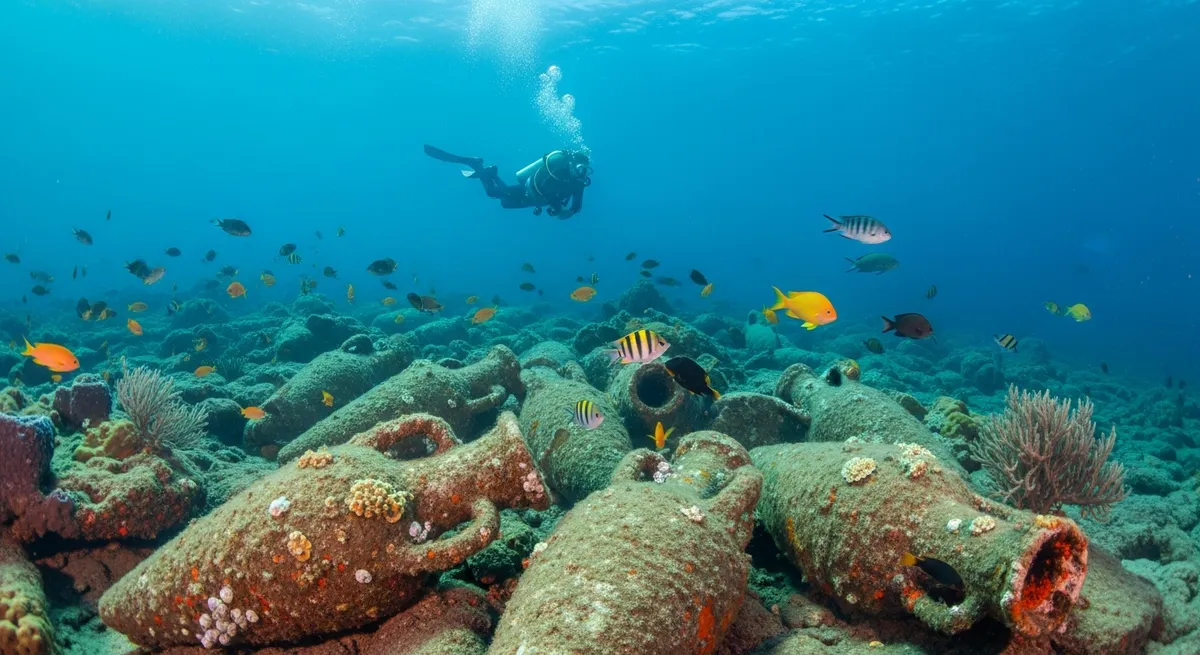

Diving in Greece
Why dive here
Greece offers rich diving, with 44+ marine species recorded in its waters - including dolphins, ocean sunfish (mola mola), sea turtles and sperm whales. Water ranges 16-26°C, warmest July, August, September.
Greece, for us, isn’t about chasing pelagics. It’s a place where every dive feels like slipping into a warm bath, an archaeological expedition, and a quiet wildlife encounter all at once. We love the Aegean, particularly around the Cyclades, for its sun-drenched reefs that descend into dramatic drop-offs, often revealing ancient amphorae scattered like forgotten treasure. Down in Crete, the caves offer a different thrill, intricate and moody, while Alonissos Marine Park protects a vibrant, fish-filled ecosystem - keep an eye out for the monk seals that call it home. Summer and early autumn give you the calmest seas and best visibility, perfect for exploring those volcanic formations around Santorini or the newly accessible historical sites that are slowly opening up.
Greece Dive Regions Map
Greece Dive Regions
8 diving areas in Greece
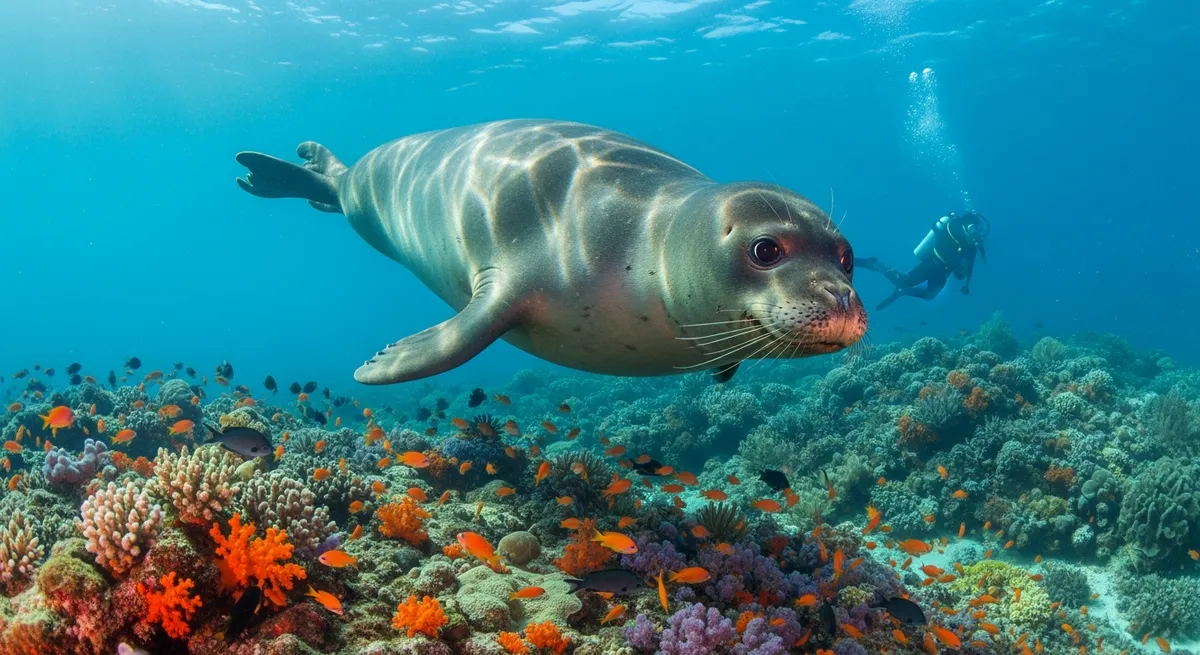
Alonissos Marine Park
Alonissos Marine Park, Greece's sanctuary for the elusive Mediterranean monk seal, holds a quiet charm. We often find ourselves drawn to the deeper walls and the ancient amphora fields - they tell a story you can almost hear bubbling through your regulator. Diving here isn't about megafauna, though a fleeting glimpse of a dolphin is always a thrill. It's about spotting the Aegean tube worms waving from the rock face, tracing the path of a marbled spinefoot, or finding a carefully camouflaged cowfish peering out from the seagrass. The real magic, for us, lies in the quieter moments and the historical context. The Peristera shipwreck is a standout, especially when the light filters just right through the water, illuminating the ancient cargo. We’d suggest a morning dive there, before the dive boats from Skopelos start arriving. Visibility can be excellent, especially in early summer, and the thermoclines are less pronounced. Keep an eye out for the Silver-cheeked Toadfish; they're an invasive species, yes, but undeniably striking. It’s a place that rewards patience and a keen eye for the smaller things, a true European Mediterranean experience without the usual crowds.
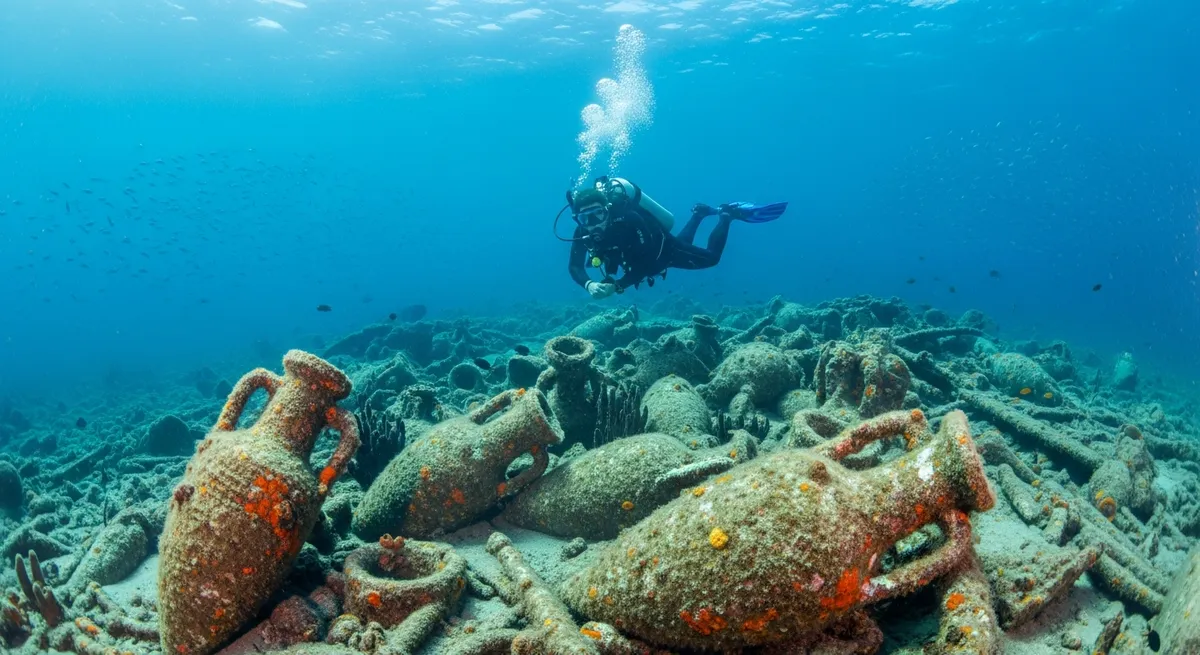
Chios & Northeast Aegean
Remote Aegean islands with volcanic underwater formations, sea caves, and rich marine life at the crossroads of Mediterranean and Black Sea currents.
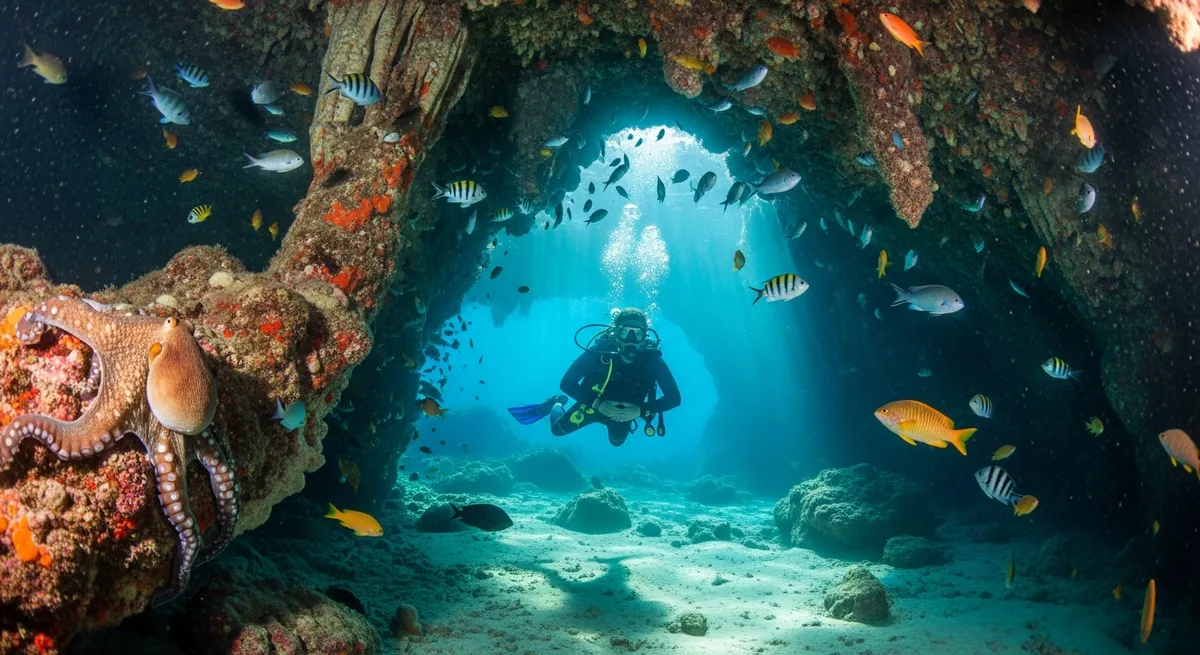
Crete
Crete. Greece’s big one. We love it for its unexpected ruggedness, both above and below the surface. Forget tropical reefs here; this is Mediterranean diving at its most atmospheric. Think dramatic rock formations dropping into deep blue, light shafts piercing through ancient caves, and a fascinating array of critters that often get overlooked elsewhere. Our favourite dive has to be the Elephant Cave. It’s a genuine marvel, a freshwater cave system filled with prehistoric elephant fossils - ribs, vertebrae, even tusks. Diving through there, you feel the cool water on your face, the silence broken only by your own breathing, and then you see them, those ghostly white bones against the dark rock. It's a surreal, almost spiritual experience. Beyond the caves, we've had some cracking wall dives, particularly on the south coast, where the rock face just keeps going down, covered in orange and purple sponges. Keep an eye out for the Studded Pufferfish; they’re surprisingly endearing. Currents can pick up, especially around headlands, so it's worth checking conditions with the local centres before you plan your day. Summertime offers the best visibility, but we've found autumn diving here can be wonderfully peaceful.
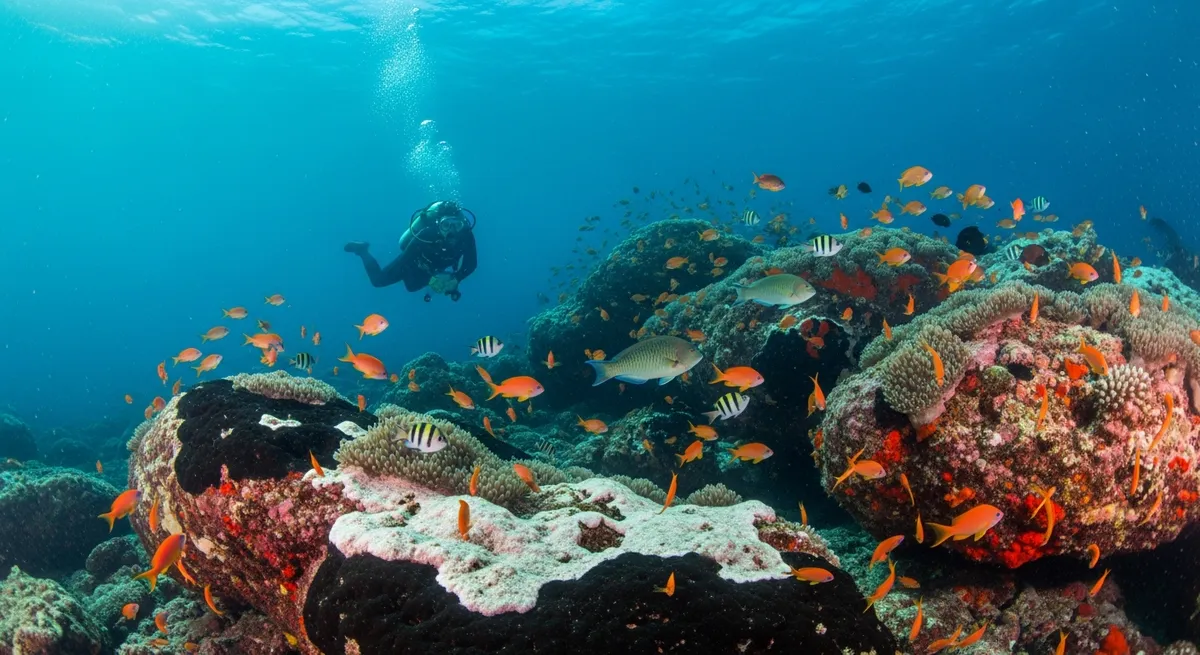
Cyclades
Santorini's volcanic caldera dive, Mykonos's archaeological sites, and Naxos's cave systems.
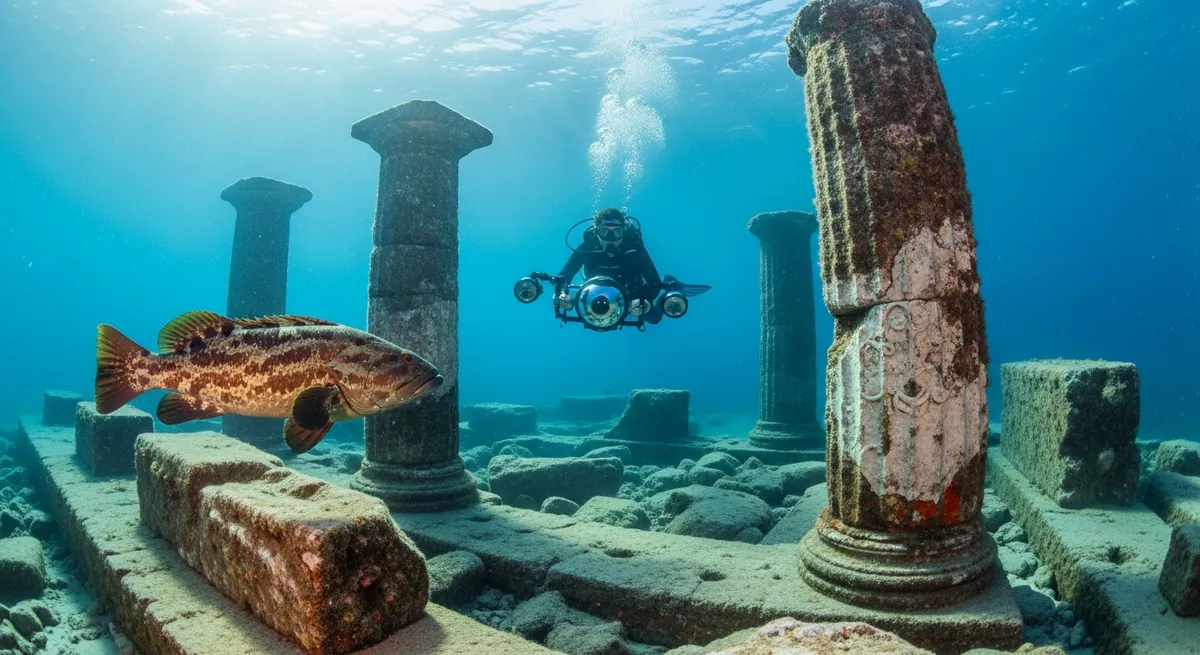
Dodecanese
The Dodecanese islands offer a proper Greek island hopping dive trip. We’ve found the diving here is less about pelagics and more about the geology and history. Think dramatic walls dropping into the blue, cool swim-throughs, and plenty of caves with light shafts cutting through the water. We particularly love the WWII wrecks around Rhodes, often encrusted with sponges, a nod to the islands’ past sponge-diving heritage. You’ll see plenty of Mediterranean regulars: marbled spinefoot darting through seagrass meadows, the occasional blue swimming crab scuttling across the sand. Keep an eye out for the common brittlestars clinging to rocks. We’ve even spotted bottlenose dolphins cruising by on longer boat rides, a real treat. Visibility can often hit 25-30 metres in summer, making those deeper wall dives feel endless. Our pick for a unique experience has to be exploring the sea caves around Kalymnos, especially in the morning when the sun’s angle is just right, painting the interiors with incredible light. Current can pick up, especially around exposed points, so it's worth checking conditions with local centres.
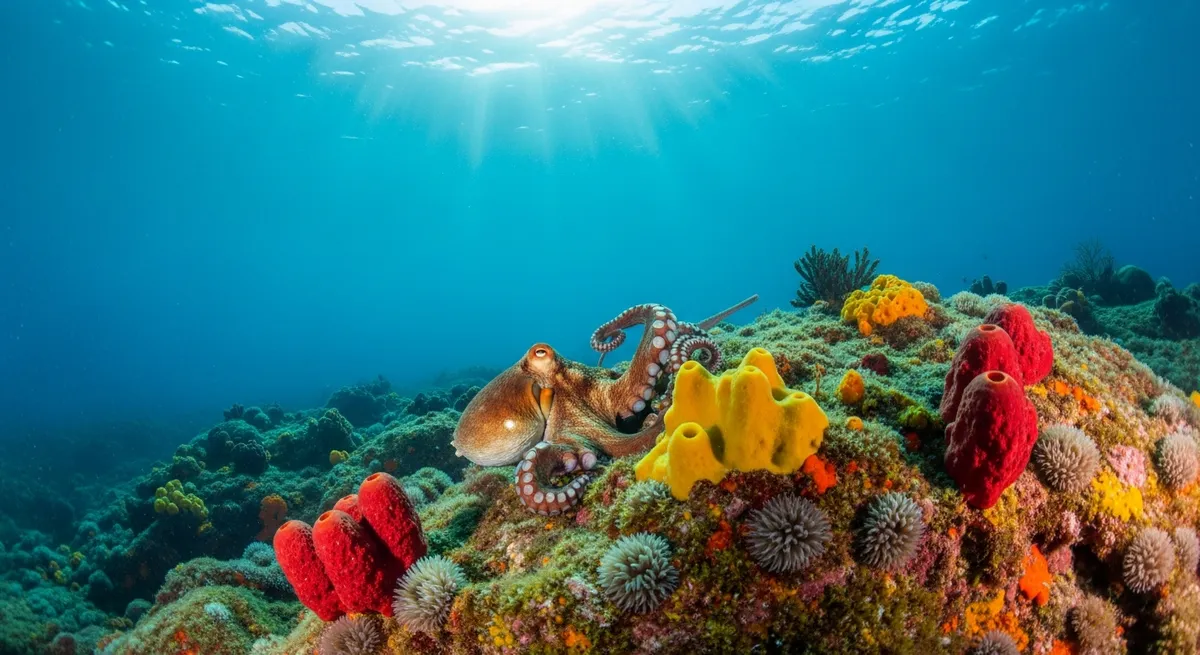
Halkidiki
Halkidiki often surprises people. You come for the beaches and end up staying for the diving. We love how the three peninsulas offer such varied underwater topography, from gentle reefs perfect for a lazy afternoon dive to dramatic walls that just drop away into the deep. Our favourite sites are often found off the Kassandra peninsula, where the rocky outcrops create fascinating swim-throughs and small caves. You won't find the big pelagics here, but you will find a vibrant Mediterranean ecosystem. Keep an eye out for the intricate Sunset cup corals, a real treat to spot, and the rather endearing Mediterranean Tooth-footed Snapping Shrimp. We've often spent a good chunk of a dive just watching them scurry about. Visibility is generally excellent, especially in late spring and early autumn, making it easy to appreciate the smaller details like the Hairy Sea-mat or the elegant Mediterranean feather stars clinging to the rocks. The water temperatures are pleasant well into October, allowing for comfortable diving without a drysuit. If you're into history, there are a few World War II wrecks scattered around, offering a different kind of exploration. Just be aware that some of the more exposed sites can experience currents, so it’s always worth checking conditions with your local dive centre.
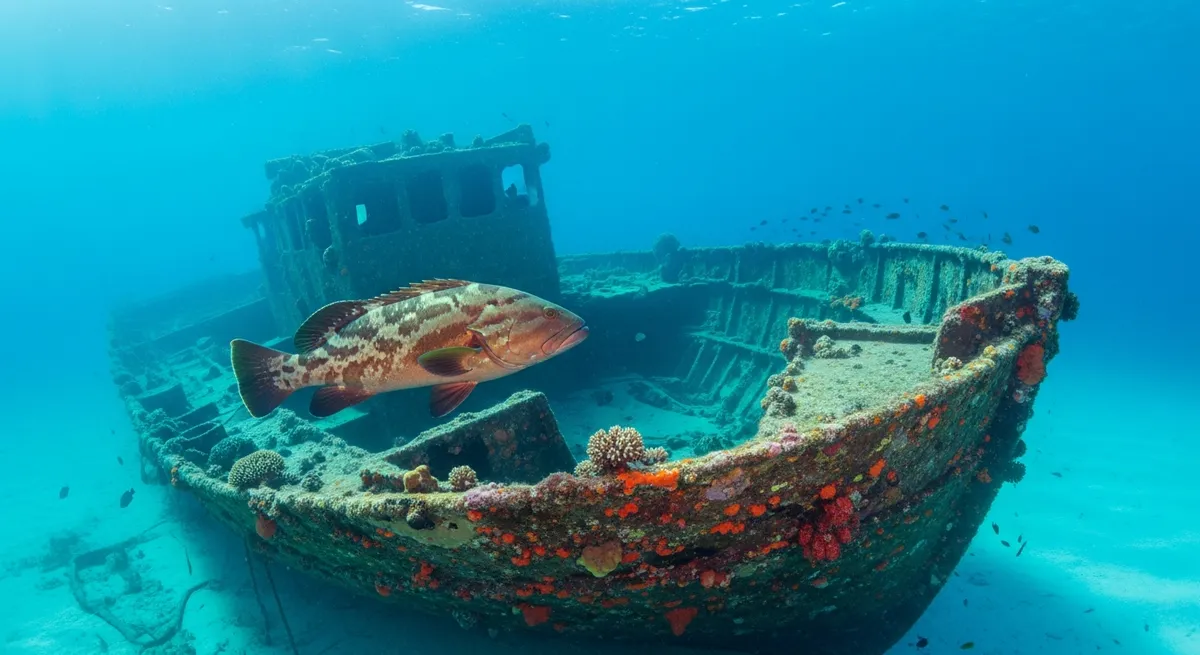
Peloponnese
Ancient shipwreck diving in the cradle of Western civilization alongside Mediterranean reef ecosystems.
Zakynthos & Ionian Islands
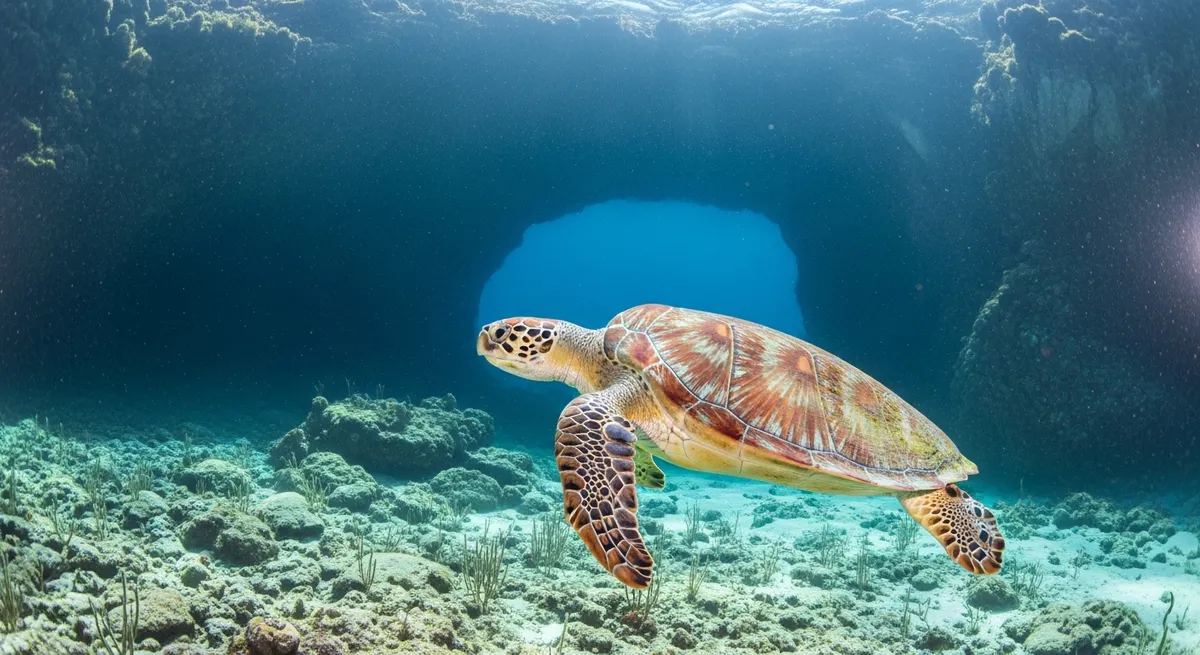
When we talk about diving in the Ionian, we’re talking about Zakynthos, specifically. This place isn't about megafauna, it’s about the quiet magic of the Mediterranean. Think clear, calm water, sunbeams piercing through cave entrances, and a surprising density of smaller, colourful creatures. We’ve spent hours drifting through the Blue Caves of Zakynthos, the light show alone is worth the trip, painting the walls with electric blues. Our favourite dives here are the deep wall dives, particularly around Marathonisi. You’ll often find loggerhead turtles cruising by, completely unfazed. Keep an eye out for the smaller stuff - the Risso's Crabs tucked into crevices, or the flash of a Broadnosed pipefish hiding in eelgrass beds. The Red Coral here is particularly striking against the white rock. We generally prefer diving early morning for the best light and fewer boats. The currents can pick up, making some of the cave dives more suited for advanced divers, but the rewards are there for those who know their stuff. Don't expect dramatic currents or massive pelagics, but if you appreciate intricate cave systems and a relaxed pace, you'll love it.
Ocean Wildlife in Greece
44 species recorded in Greece
Greece Visa Requirements
Check if you need a visa to dive in Greece
Plan & book
Ways to dive Greece, from day trips to liveaboards.
Day trips & courses
via GetYourGuideGuided dives, courses and snorkel trips with instant booking.
Find dive trips in GreecePlaces to stay
via Booking.comHotels and dive resorts near Greece.
Search stays in GreeceDive insurance
Most travel insurance excludes or limits scuba. Check what you need before you go.
Dive insurance explainedPartner links: we may earn a commission if you book, at no extra cost to you. How we make money