AL SAID
Protected Area
Iles des Sept Freres ainsi que Ras Syan, Khor Angar et la foret de Godoria
Why dive here
With 197+ marine species recorded in the area - including blacktip reef sharks, blue-spotted stingrays, dugongs, hammerhead sharks and sea turtles - AL SAID offers some of Gulf of Tadjoura's richest wreck diving. Water ranges 27-32°C, warmest June, September, October.
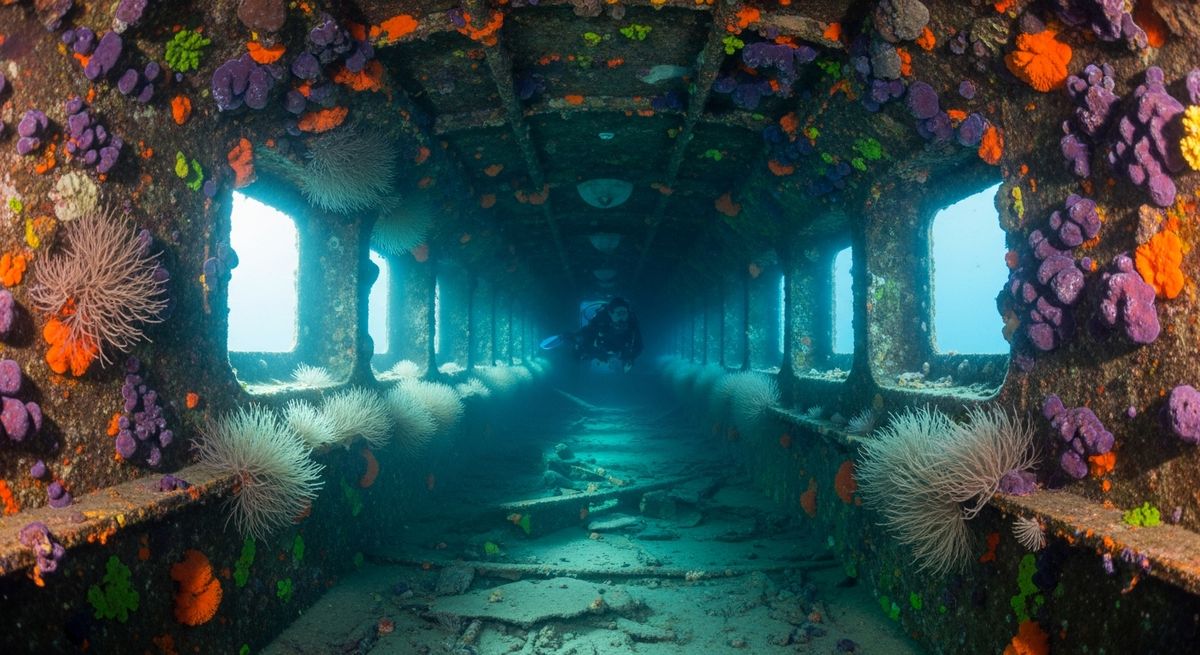
The Al Said wreck sits upright on the sandy bottom at 29 metres, and we love finding it. It’s a sailing vessel, which means a beautiful silhouette against the blue. She went down in ‘76, caught in a storm on her way from Berbera to Sharjah, and time has been kind. You can still make out the mast structure, though it’s heavily draped in soft corals now. Dropping down, the first thing you notice is the way the light filters through the remaining rigging, creating these dancing patterns on the deck. Schools of fusiliers often swirl around the bow, catching the current, so thick they almost block the light for a moment. We often find large groupers tucked into the shadowed areas of the hull, and there’s usually a resident moray eel or two peeking from beneath a plate coral. It’s a gentle dive, really, for anyone comfortable at depth. Take your time exploring the deck; the coral growth is impressive, forming miniature gardens with anemones and their clownfish. Visibility here is usually excellent, giving you a clear view of the entire wreck as you approach.
Typical AL SAID Dive Profile
Illustrative profile based on site depth and type. Actual dive profiles vary - always follow your dive computer and training.
Safety Notes
Depth of 29m - Advanced Open Water certification recommended.
Wreck site - avoid penetration without wreck diving certification. Watch for sharp metal and entanglement hazards.
Always perform a 3-minute safety stop at 5m before surfacing.
AL SAID Wreck History
Year Sunk
1976
Vessel Type
unknown
Cause
storm
The Al Said, a sailing vessel plying the ancient trade routes of the Red Sea, was on a passage from Berbera to Sharjah when it met its fate. On January 4, 1976, the ship was caught in a powerful storm near the territorial waters of Aden. Overwhelmed by the rough seas, the vessel sank, becoming another testament to the unforgiving power of the ocean in this historically busy maritime corridor.
Resting at a depth of 29 meters in the Gulf of Tadjoura, the Al Said offers a compelling dive for advanced-certified divers. The wreck's remains serve as a substrate for the vibrant corals for which the Red Sea is famous. Exploring the site, divers can discover a habitat teeming with life, including schools of anthias and glassfish, with occasional visits from Napoleon wrasse or moray eels patrolling the wreckage. The depth requires careful dive planning and monitoring of bottom time, making it a rewarding challenge for those looking to explore a piece of sunken history.
Reviews for AL SAID
Conditions
Ocean conditions, forecast and tides for AL SAID
AL SAID Ocean Conditions
Monthly averages for AL SAID, sourced from Open-Meteo marine data - nearest station: Open-Meteo marine grid (11.95, 43.3) (19km away)
October Averages
Sea Temperature
32°C
89°F · Range: 29.6–33.4°C
Air Temperature
30°C
86°F
Wind Speed
4.2 m/s
8.2 knots
Atmospheric Pressure
1010.7 hPa
Based on 4 years of monitoring data · Data sources: Open-Meteo marine data
Plan & book
Ways to dive Gulf of Tadjoura, from day trips to liveaboards.
Day trips & courses
via GetYourGuideGuided dives, courses and snorkel trips with instant booking.
Find dive trips in Gulf of TadjouraPlaces to stay
via Booking.comHotels and dive resorts near Gulf of Tadjoura.
Search stays in Gulf of TadjouraDive insurance
Most travel insurance excludes or limits scuba. Check what you need before you go.
Dive insurance explainedPartner links: we may earn a commission if you book, at no extra cost to you. How we make money
Where to Stay near AL SAID
Prices from Booking.com. We may earn a commission at no extra cost to you.