AMORUSO SECONDO
Protected Area
Ancón
Why dive here
With 40+ marine species recorded in the area - including blue whales, hammerhead sharks, humpback whales, sea turtles and sperm whales - AMORUSO SECONDO offers some of Lima & Palomino Islands's richest wreck diving. Water ranges 17-21°C, warmest February, March, April.
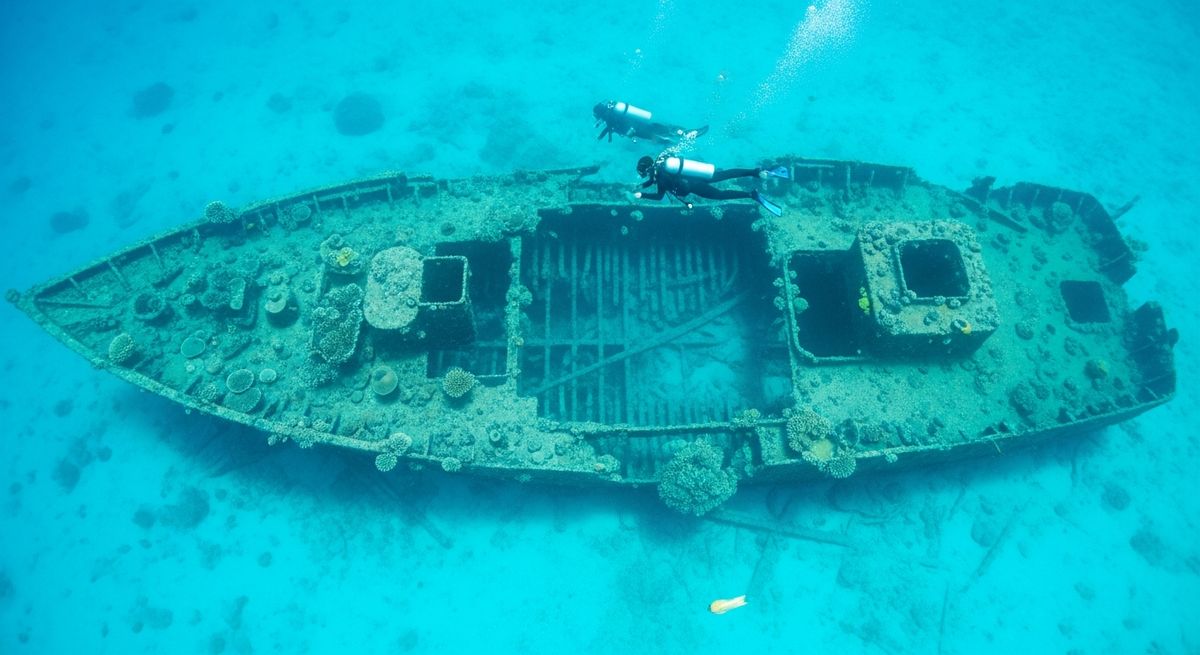
The Amoruso Secondo isn't deep, but don't let that fool you. This 43-meter fishing trawler, run aground and burned in 1969, sits in just 5 meters of water. It’s perfect for a long, relaxed exploration, especially for those who enjoy poking around rusty metal without worrying about narcosis. We love how the shallow depth means fantastic natural light, making the colours of the encrusting life really pop. The wreck itself is well broken up, but you can still make out the bow and stern sections, with ribs and plating scattered across the sandy bottom. Expect to see plenty of comber fish darting through the wreckage, and if you look closely, you'll spot several kinds of crabs scuttling amongst the growth. The main draw for us, though, is the sheer number of sea lions that often hang around the area. They're curious, playful, and completely unbothered by divers, often zipping past close enough to hear them bark. Our favourite time to dive it is mid-morning, just after the first tourist boats have cleared out, leaving us with the wreck and its resident pinnipeds in relative peace. It's a proper adventure for divers who appreciate history and wildlife in equal measure.
Typical AMORUSO SECONDO Dive Profile
Illustrative profile based on site depth and type. Actual dive profiles vary - always follow your dive computer and training.
Safety Notes
Wreck site - avoid penetration without wreck diving certification. Watch for sharp metal and entanglement hazards.
AMORUSO SECONDO Wreck History
Year Sunk
1969
Vessel Type
fishing vessel
Cause
fire
The final day for the fishing vessel AMORUSO SECONDO was a dramatic one. On October 12, 1969, a fire broke out on board the 44-meter ship. With the blaze raging and out of control, the vessel was lost and ran aground near the famous Palomino Islands off the coast of Lima. It was declared a total loss, its fishing career ending in flames and wreckage against the rocky shore, where its remains have rested ever since.
Resting in a mere 5 meters of water, the AMORUSO SECONDO is less of a deep wreck dive and more of an underwater landmark, easily accessible to divers of all levels and even snorkelers. Its shallow grave means the wreck is bathed in bright sunlight, making for a fantastic photographic subject. The wreckage is broken up but its origins as a fishing vessel are still apparent. The true highlight of this site, however, is the incredible marine life. The Palomino Islands are famous for their massive colony of sea lions, and these curious, playful animals often interact with divers exploring the wreck, creating an unforgettable and joyous underwater encounter.
Nearest Dive Centres to AMORUSO SECONDO
Dive shops near AMORUSO SECONDO
RESKIU S.A.C.
Lufes A Diver's
KangaruPeru
Pacific Divers
SB Divers
Reviews for AMORUSO SECONDO
Conditions
Ocean conditions, forecast and tides for AMORUSO SECONDO
AMORUSO SECONDO Ocean Conditions
Monthly averages for AMORUSO SECONDO, sourced from Open-Meteo marine data - nearest station: Open-Meteo marine grid (-12.05, -77.16) (20km away)
October Averages
Sea Temperature
17°C
63°F · Range: 15.5–19°C
Air Temperature
16°C
60°F
Wind Speed
6.32 m/s
12.3 knots
Atmospheric Pressure
1014.5 hPa
Based on 4 years of monitoring data · Data sources: Open-Meteo marine data
Plan & book
Ways to dive Lima & Palomino Islands, from day trips to liveaboards.
Day trips & courses
via GetYourGuideGuided dives, courses and snorkel trips with instant booking.
Find dive trips in Lima & Palomino IslandsPlaces to stay
via Booking.comHotels and dive resorts near Lima & Palomino Islands.
Search stays in Lima & Palomino IslandsDive insurance
Most travel insurance excludes or limits scuba. Check what you need before you go.
Dive insurance explainedPartner links: we may earn a commission if you book, at no extra cost to you. How we make money
Where to Stay near AMORUSO SECONDO
Prices from Booking.com. We may earn a commission at no extra cost to you.