Mangrove Point
Protected Area
Bali Barat
Why dive here
With 515+ marine species recorded in the area - including barracuda, blue-spotted stingrays, bull sharks, giant moray eels and manta rays - Mangrove Point offers some of Bali's richest diving. Water ranges 29-31°C, warmest April, May, November.
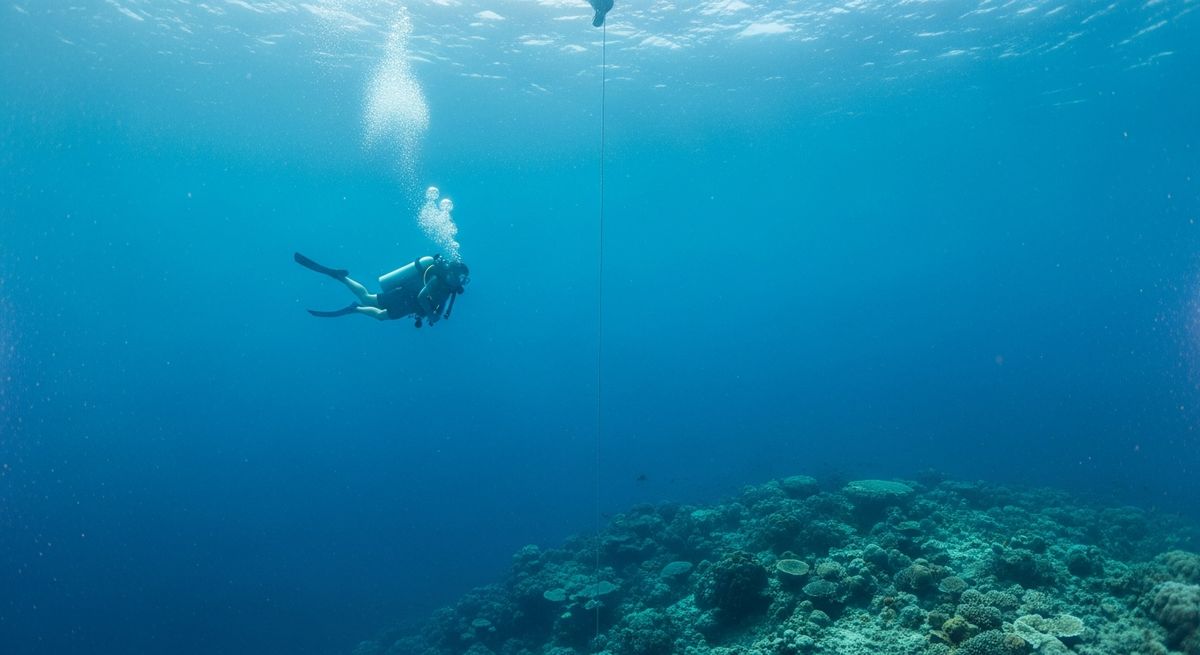
Mangrove Point, off Nusa Lembongan, is one of those sites that just feels good. It's a drift dive, usually, with a gentle current pushing you along a sloping reef. We love it because it’s so reliable for healthy, expansive staghorn coral - great big fields of it, which can be surprisingly hard to find elsewhere. You'll often see banded sea kraits weaving through the coral branches, quite nonchalantly, and we always seem to spot a few orange convict reef gobies darting around. The light here can be incredible, filtering down through the shallow water and dappling the seagrass beds where we’ve often seen spined fiddler crabs scuttling. It’s a gentle dive, perfect for photographers wanting to take their time, or anyone who just wants to soak up the feeling of a healthy reef. If you hit it around slack tide, the current is minimal, letting you linger longer over those big coral formations.
Nearest Dive Centres to Mangrove Point
Dive shops near Mangrove Point
Extra Divers Naya Gawana-Bali
Banyuwangi Diving School
Nemo Diving
Bali Ocean Reef Dive Center
Easy Divers Bali
Bali Diving Academy Pemuteran
Reviews for Mangrove Point
Conditions
Ocean conditions, forecast and tides for Mangrove Point
Mangrove Point Ocean Conditions
Monthly averages for Mangrove Point, sourced from Open-Meteo marine data + Copernicus Marine (EU) - nearest station: Open-Meteo marine grid (-7.5, 113.18) (20km away)
October Averages
Sea Temperature
30°C
86°F · Range: 28.3–31.6°C
Current Speed
4 cm/s
Direction: E (90°)
Salinity
32.94 PSU
Based on 4 years of monitoring data · Data sources: Open-Meteo marine data + Copernicus Marine (EU)
Plan & book
Ways to dive Bali, from day trips to liveaboards.
Day trips & courses
via GetYourGuideGuided dives, courses and snorkel trips with instant booking.
Find dive trips in BaliPlaces to stay
via Booking.comHotels and dive resorts near Bali.
Search stays in BaliDive insurance
Most travel insurance excludes or limits scuba. Check what you need before you go.
Dive insurance explainedPartner links: we may earn a commission if you book, at no extra cost to you. How we make money
Where to Stay near Mangrove Point
Prices from Booking.com. We may earn a commission at no extra cost to you.