Mimmas Point - Halmahera

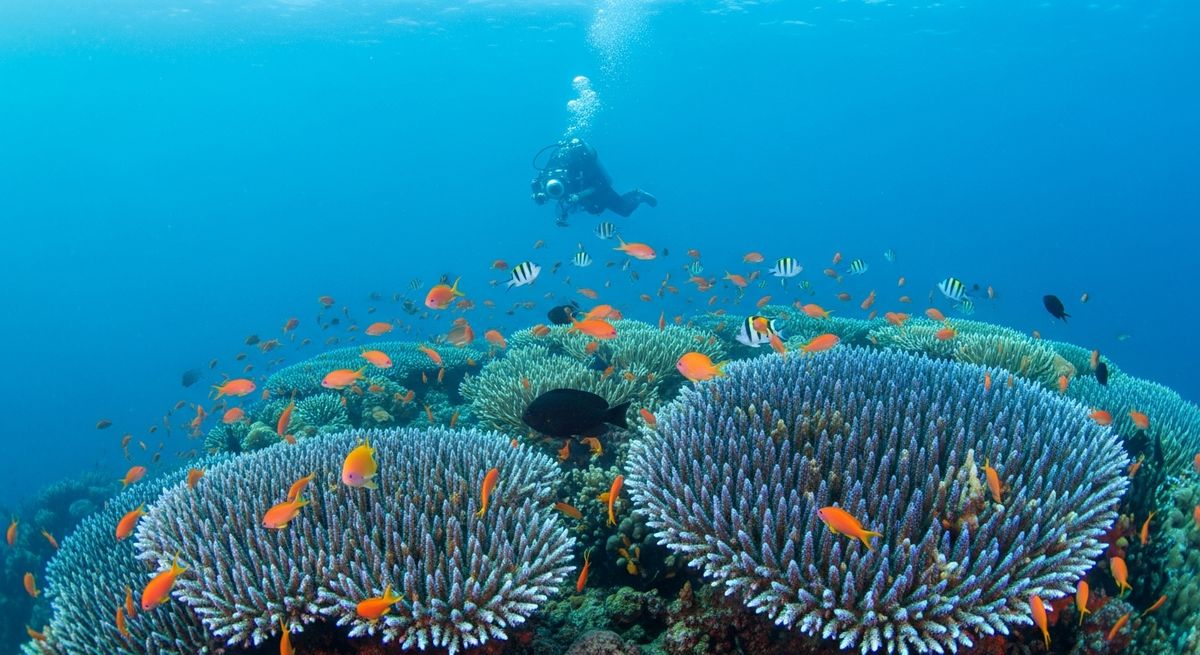
Point Guirnard sits tucked inside the headland, making for a reliably mellow dive. We often hit it as a second tank, a nice, easy drift along a sloping reef that maxes out around 21m. You’ll find some lovely coral formations here, with plenty of nooks to poke into for critters like candy basslets or perhaps a mouse cone. Keep an eye out for black coral as you go, and in the shallower sections, there are often schooling round scad. It’s a great spot for snorkelers too, and visibility generally holds around 22m, making it an easy-going dive for just about anyone.

Location
Halmahera, Indonesia, Southeast Asia
Coordinates
-0.454500, 127.688500
Type
reef

Marine Protected Area: KKP3K Pulau Sali, Gane Barat Utara

Best Time to Dive in Halmahera

The warmest water temperatures in Halmahera occur in November, averaging 30.1°C. The coolest conditions are in August at 28.5°C.

Monthly Water Temperatures

  • January: 29.0°C
  • February: 28.8°C
  • March: 29.1°C
  • April: 29.5°C
  • May: 29.9°C
  • June: 29.6°C
  • July: 29.0°C
  • August: 28.5°C
  • September: 28.6°C
  • October: 29.4°C
  • November: 30.1°C
  • December: 29.8°C

Nearby Dive Sites in Halmahera

Nearest Dive Centres to Mimmas Point

Marine Life in Halmahera

Home to 141 recorded species including 69 reef fish, 48 hard corals, 7 seagrass & algae, 4 clams & mussels, 3 crabs & lobsters, 2 sea cucumbers.

Notable Species

Recommended Packing List for Mimmas Point

Based on average water temperature of 29.3°C, currents 7 cm/s.

  • Shorty or Rashguard - warm 29°C water needs minimal exposure protection
  • Mask - essential for every dive
  • Fins
  • BCD - buoyancy compensator
  • Regulator - your most safety-critical piece of gear
  • Dive Computer - tracks depth, time, and NDL
  • Surface Marker Buoy (SMB) - essential for boat pickups
  • Dive Torch - useful for crevices and colour at depth
  • Underwater Camera - capture your diving memories

Frequently Asked Questions

What is the typical depth range for diving at Mimmas Point?
At Mimmas Point, divers can explore a gently sloping sandy/rocky seabed, reaching a maximum depth of 21 meters. This allows for a comfortable dive profile, starting shallower and gradually descending. It's a great depth for extended bottom times and enjoying the reef.
What kind of marine life and underwater features can divers expect to see at Mimmas Point?
Mimmas Point is a vibrant reef site featuring beautiful coral blocks on a gently sloping sandy/rocky seabed. Divers can expect to encounter shoals of Blue Triggerfish, along with Bannerfish and Angelfish seeking refuge under Table Corals. Keep an eye out for Black Tip Reef Sharks patrolling the area. For more information on marine species, visit our wildlife database.
How difficult is diving at Mimmas Point, and is it suitable for beginner divers?
Diving at Mimmas Point is rated as intermediate difficulty. While not explicitly for beginners, divers with some experience will find it enjoyable. It's always recommended for less experienced divers to go with a guide to ensure a safe and pleasant dive.
What is the best time of year or season to dive at Mimmas Point for optimal conditions?
The provided data does not specify the best time of year or season to dive at Mimmas Point for optimal conditions. For general guidance on diving seasons in the region, you might consult our when to dive section. We recommend checking with local dive operators for current conditions.
Are there any specific diving certifications required or recommended to dive at Mimmas Point?
While the data does not explicitly state specific certification requirements for Mimmas Point, its intermediate difficulty suggests that an Open Water Diver certification is generally expected. No advanced certifications are specifically mentioned as required or recommended in the provided context. Always dive within your certification limits.
What are the usual current conditions and visibility like at Mimmas Point?
Divers at Mimmas Point can typically expect an average visibility of 15 meters, offering clear views of the vibrant reef. The provided data does not specify the usual current conditions for this site. It's always wise to check with local dive centers for real-time current information before your dive.