North Point
Why dive here
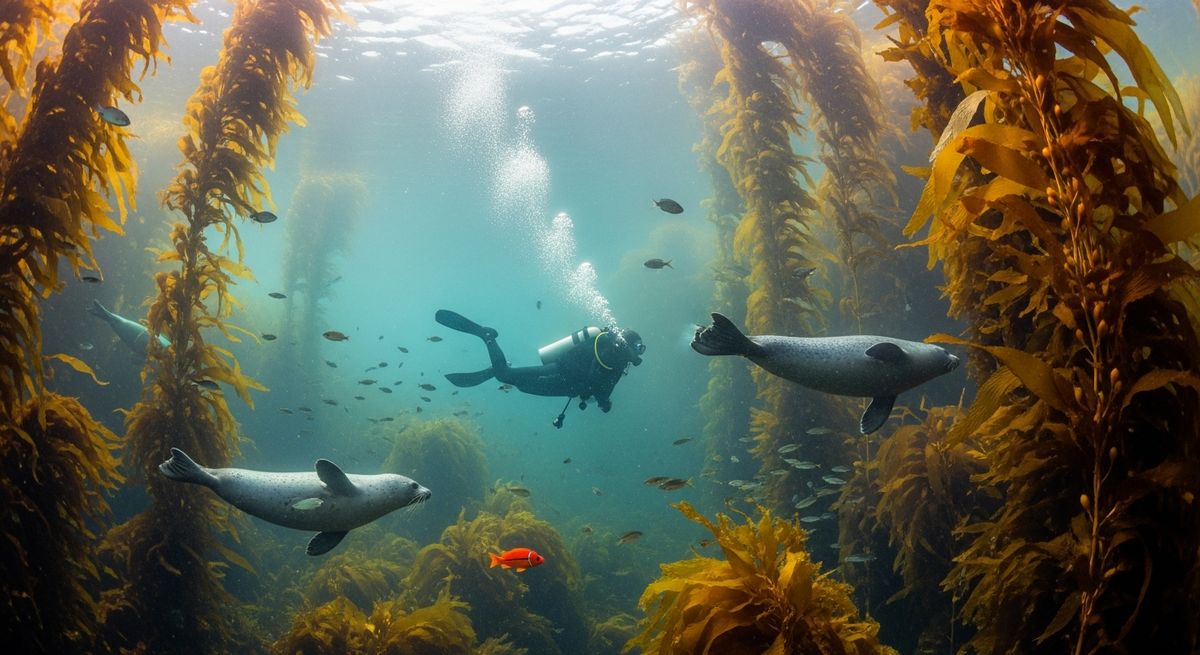
With 164+ marine species recorded in the area - including blacktip reef sharks, eagle rays, giant moray eels, whale sharks and clownfish - North Point offers some of Mergui Archipelago's richest diving. Water ranges 28-31°C, warmest April, May, June.
North Point sits a bit out from the north side of Koh Bangu, a granite boulder site that mirrors some of the conditions you find around Christmas Point. We’re talking big rocks, big currents sometimes, but usually excellent visibility, often 20 to 40 metres. You’ll drop down to around 22 metres, winding through channels and swim-throughs formed by these massive boulders that reach up to 8 metres from the surface. It's a spot for intermediate divers, where you can watch for schooling fusiliers or keep an eye on the bottom for leopard sharks resting in the sand. Just be ready for that current.
Typical North Point Dive Profile
Illustrative profile based on site depth and type. Actual dive profiles vary - always follow your dive computer and training.
Safety Notes
Depth of 22m - Advanced Open Water certification recommended.
Always perform a 3-minute safety stop at 5m before surfacing.
Reviews for North Point
Conditions
Ocean conditions, forecast and tides for North Point
North Point Ocean Conditions
Monthly averages for North Point, sourced from Open-Meteo marine data + Copernicus Marine (EU) - nearest station: Open-Meteo marine grid (9.78, 97.85) (1km away)
October Averages
Sea Temperature
29°C
85°F · Range: 28–30.5°C
Current Speed
5.39 cm/s
Direction: S (201.8°)
Salinity
29.12 PSU
Based on 4 years of monitoring data · Data sources: Open-Meteo marine data + Copernicus Marine (EU)
Plan & book
Ways to dive Mergui Archipelago, from day trips to liveaboards.
Day trips & courses
via GetYourGuideGuided dives, courses and snorkel trips with instant booking.
Find dive trips in Mergui ArchipelagoPlaces to stay
via Booking.comHotels and dive resorts near Mergui Archipelago.
Search stays in Mergui ArchipelagoDive insurance
Most travel insurance excludes or limits scuba. Check what you need before you go.
Dive insurance explainedPartner links: we may earn a commission if you book, at no extra cost to you. How we make money
Where to Stay near North Point
Prices from Booking.com. We may earn a commission at no extra cost to you.