Best Deep Diving Destinations
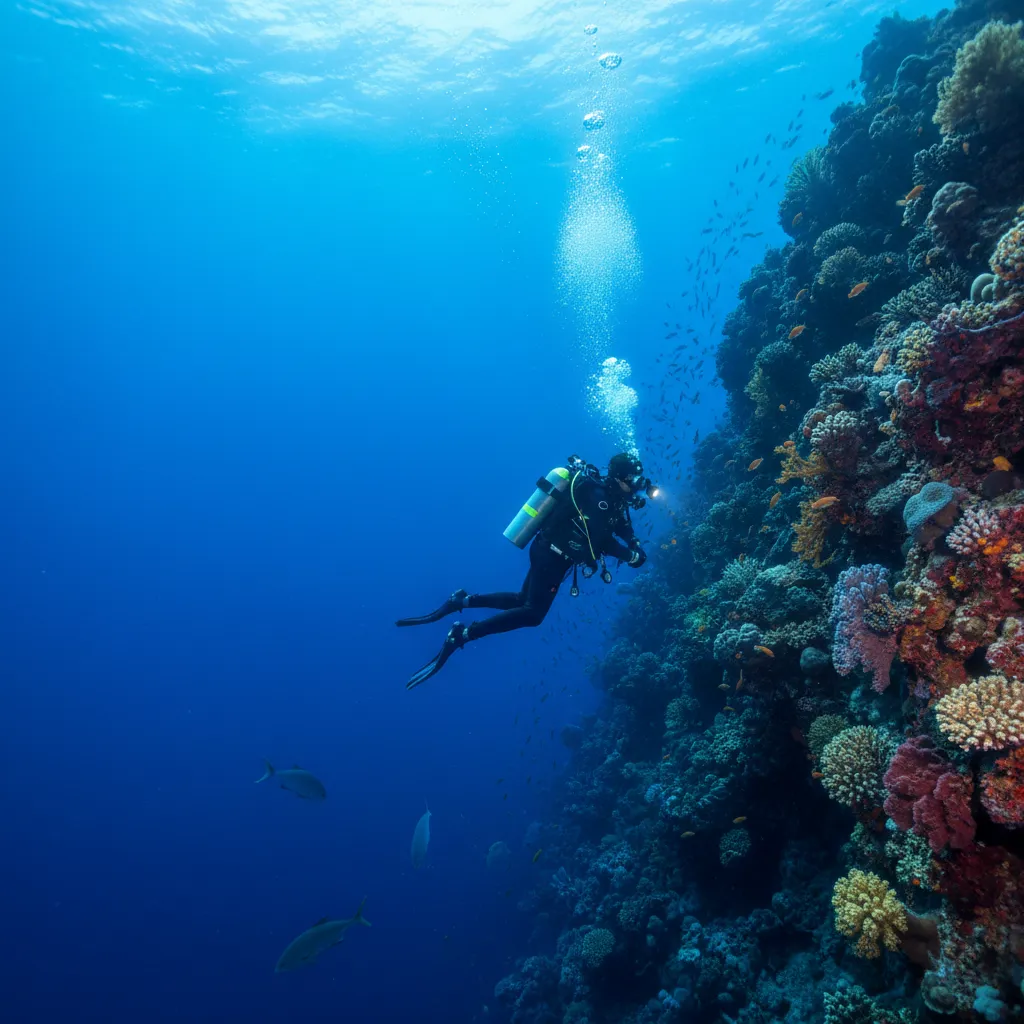
Deep diving opens a world that most divers never see. Below 30 metres, the reef transitions into a twilight zone where soft corals replace hard corals, deep-water gorgonian fans sway in the current, and species rarely seen in shallow water - sixgill sharks, hammerhead schools, and deep-reef anthias - become the norm. The world's best deep diving destinations offer not just depth, but reasons to go deep - spectacular topography, pelagic encounters, and marine life that thrives in the cooler, darker waters beyond recreational limits. From the Blue Hole in Belize to the deep walls of the Cayman Islands and the technical diving mecca of Gozo, these destinations reward divers who have invested in the training and experience to explore beyond 30 metres.
12 destinations in this collection
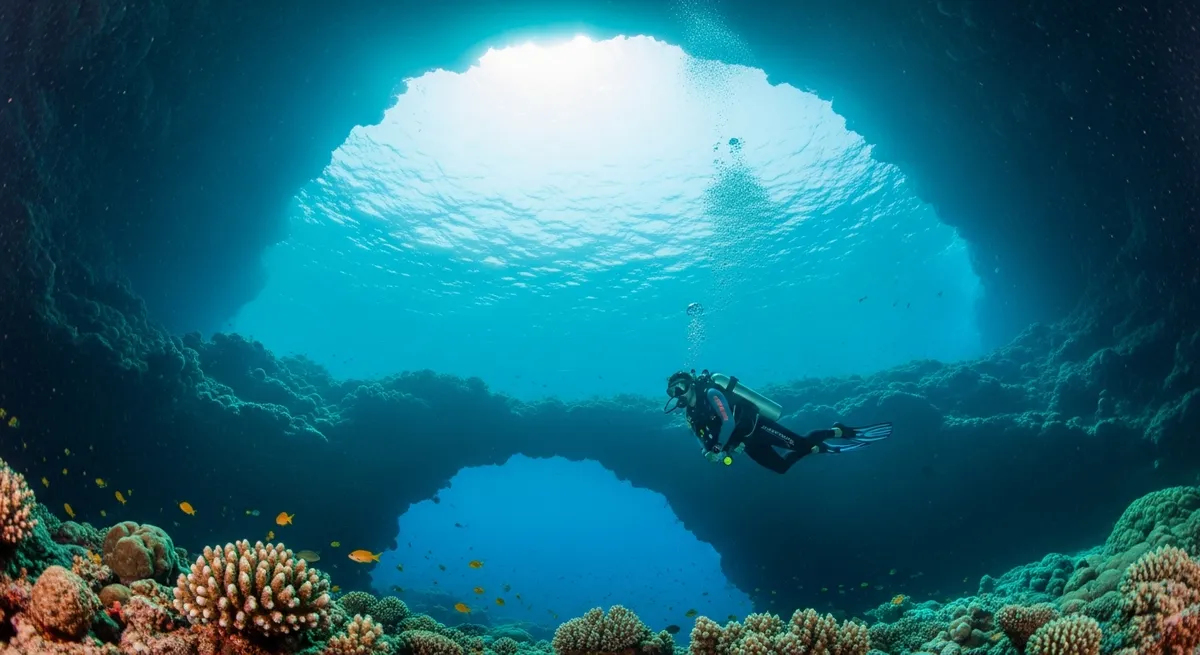

Dahab's Blue Hole features a 26-metre-wide archway at 56 metres connecting the sinkhole to open water. While the arch is a technical dive requiring proper training and gas planning, the vertical walls of the Blue Hole itself offer deep recreational diving. The site's accessibility from shore and clear Red Sea visibility make it a deep diving mecca.
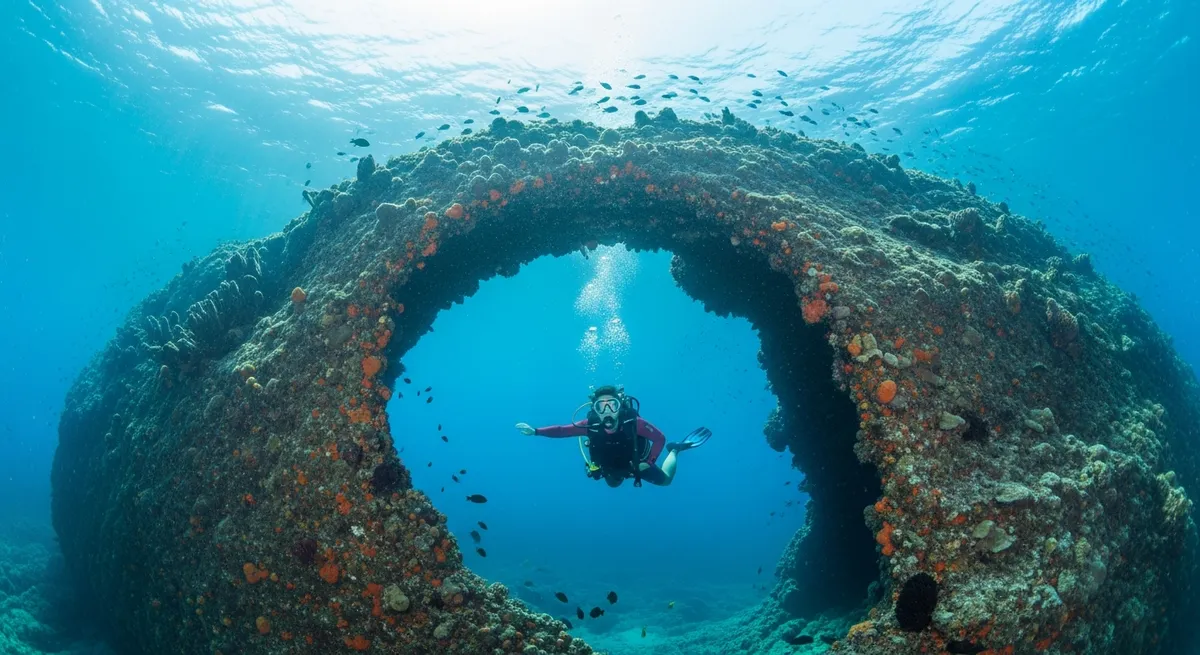

Gozo's clear Mediterranean waters, dramatic drop-offs, and deep cave systems make it one of Europe's premier technical diving destinations. The Blue Hole drops to over 60 metres, and the island's numerous deep walls and caverns attract tech divers from across the continent. Excellent shore access, recompression chamber on-island, and established tech diving operations make Gozo ideal.
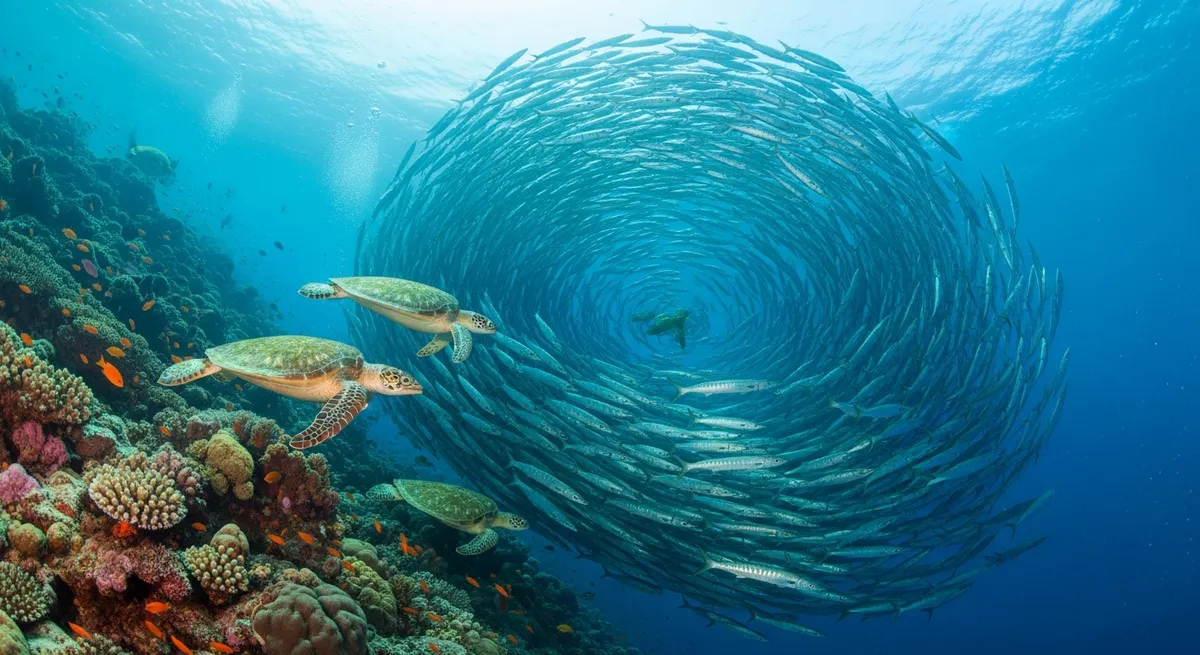

Sipadan's walls drop from 5 metres to over 600 metres into the Celebes Sea. The legendary Turtle Tomb - an underwater cave system containing the skeletons of sea turtles that became disoriented and drowned - sits at 20 metres but leads deeper. The deep wall sections host whitetip reef sharks, schooling hammerheads, and rare deep-reef species.
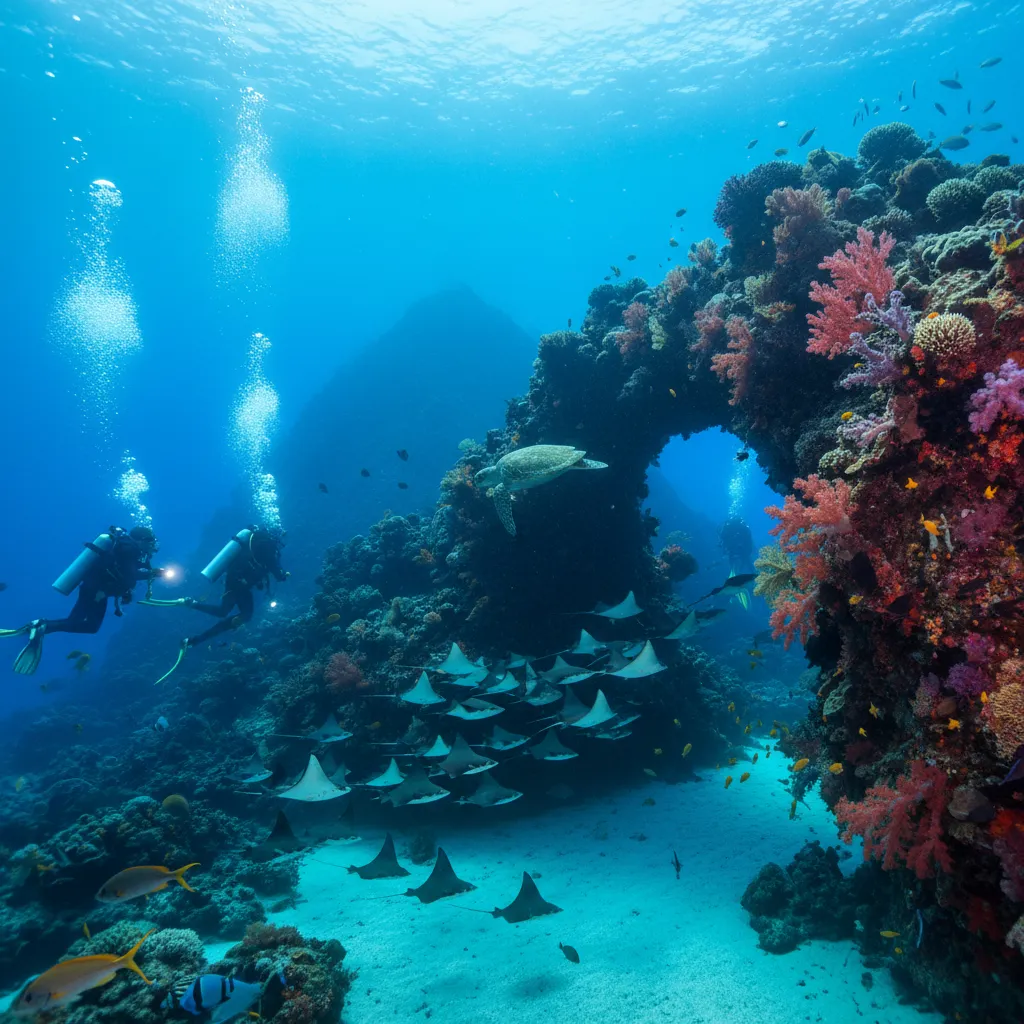

The Azores' volcanic seamounts and pinnacles create deep diving over dramatic topography in the mid-Atlantic. Princess Alice Bank rises from 3,000 metres to 35 metres, attracting mobula rays, blue sharks, and occasionally whale sharks. The deep walls around Faial and Pico host colourful sponges, black coral, and Atlantic pelagic species rarely seen elsewhere in Europe.
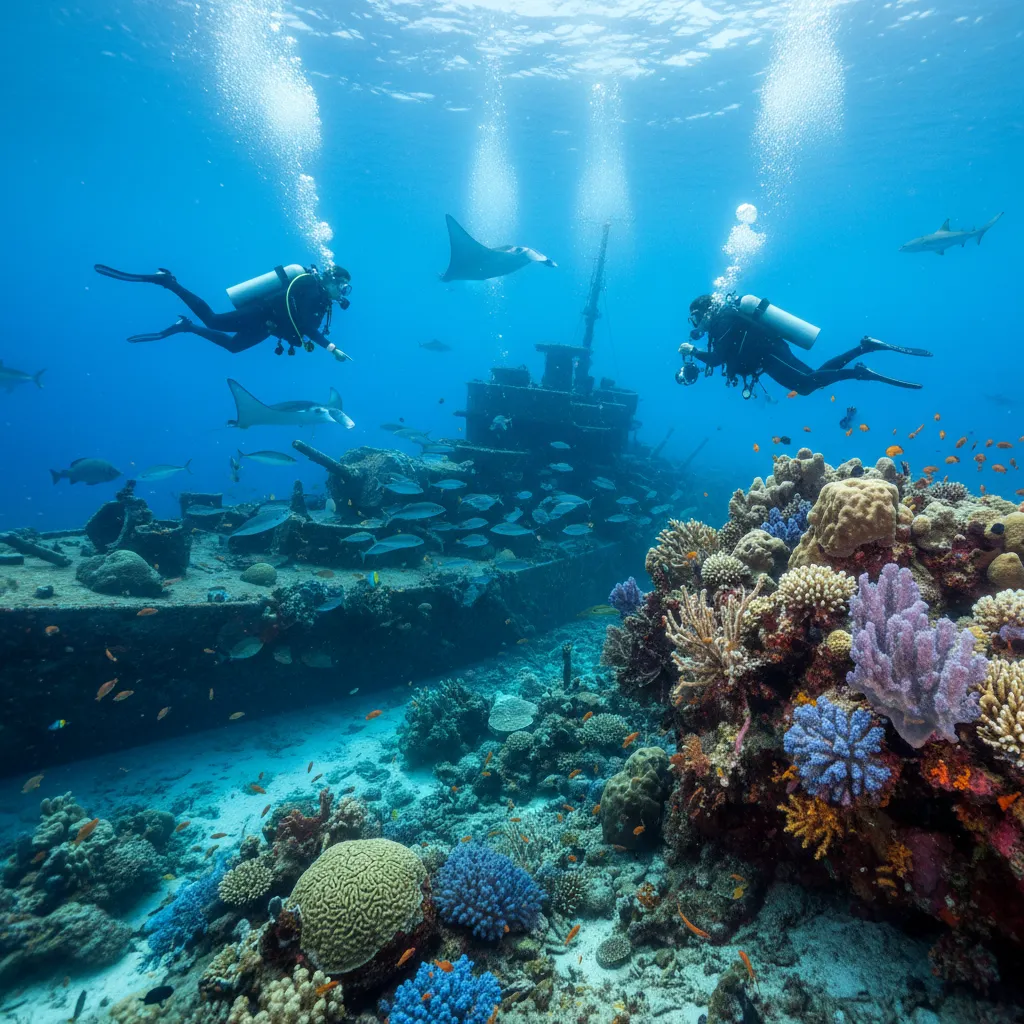
Bikini Atoll: Deep Dive into WWII's Ghost Fleet Legacy
Marshall Islands
Bikini Atoll offers unparalleled deep wreck diving into a ghost fleet of WWII warships. Explore legendary vessels like the USS Saratoga and Nagato, resting at depths often requiring technical expertise. This UNESCO site provides a unique, somber journey through history beneath the waves.
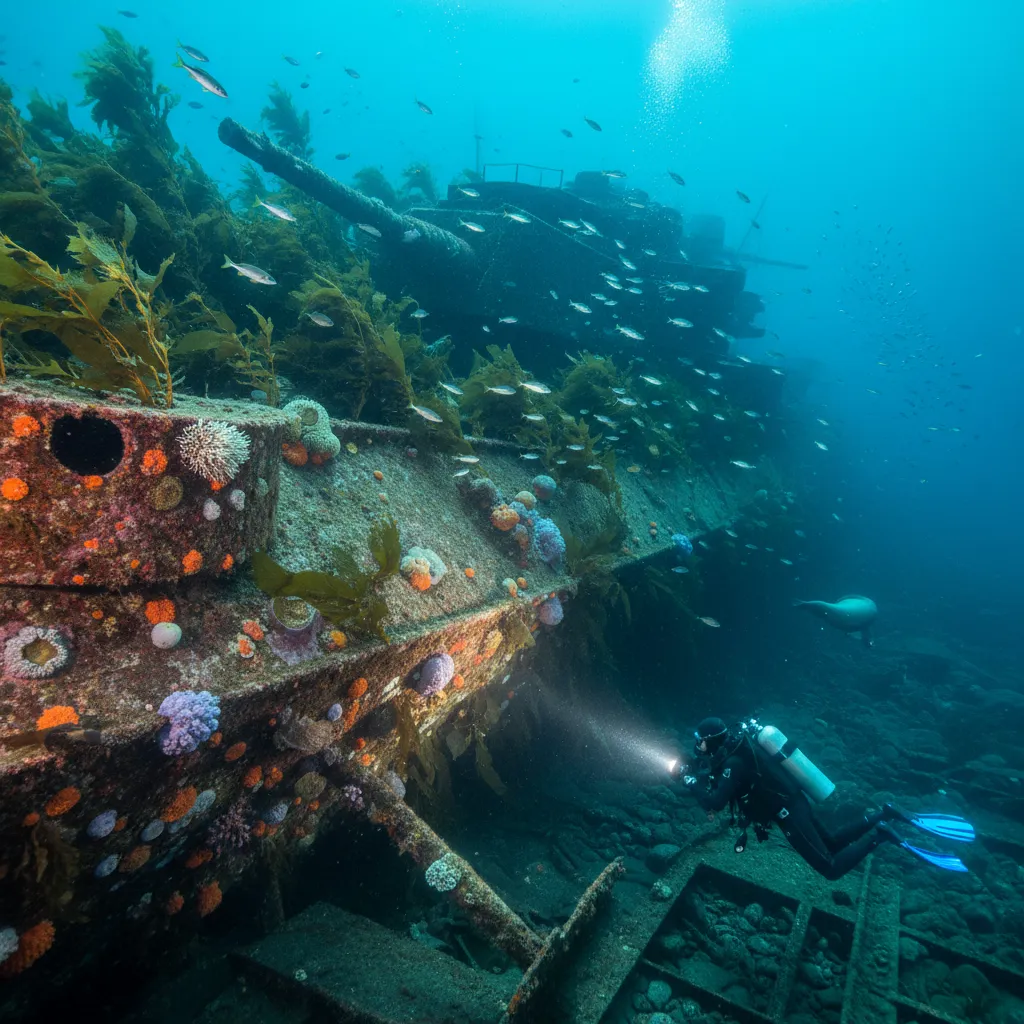
Scapa Flow, Orkney: Legendary Deep WW1 Wreck Diving
United Kingdom
Scapa Flow is world-renowned for incredible deep wreck diving. Explore iconic scuttled battleships and cruisers of the German High Seas Fleet, lying at depths from 25m to over 45m. This historical underwater museum offers unparalleled technical diving challenges and breathtaking exploration.
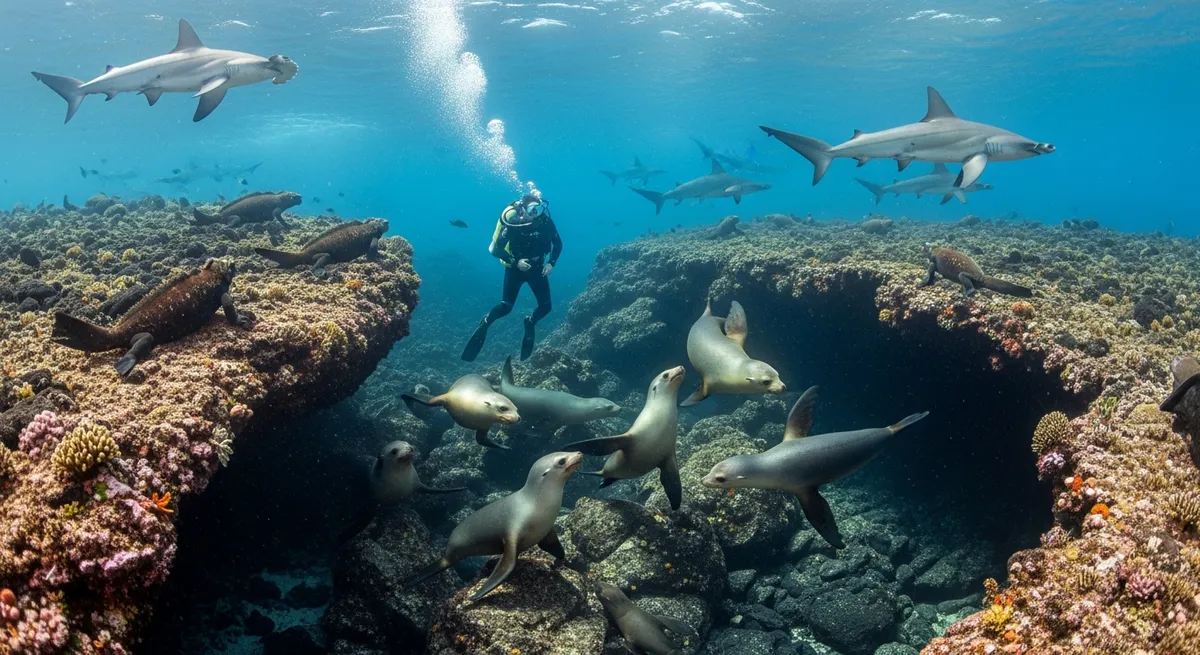

The Galápagos Islands offer an unparalleled deep diving experience with dramatic deep walls and towering seamounts. Strong currents define these challenging dives, where encounters with massive schools of hammerheads, tuna, and other pelagic giants are the ultimate reward for experienced deep divers seeking adventure.
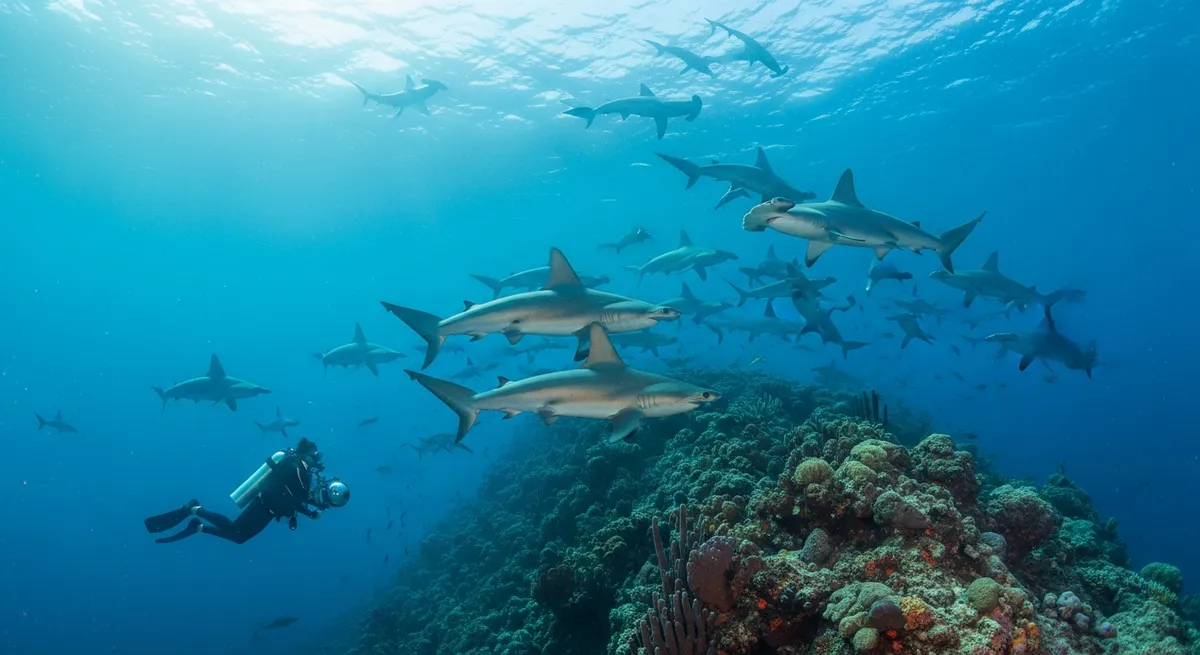

This remote Colombian outpost is a mecca for advanced deep divers, known for its dramatic, sheer walls plunging into the abyss. Strong currents attract unparalleled aggregations of hammerhead sharks, alongside Galapagos and silky sharks, making every descent an adrenaline-fueled encounter with the ocean's giants.
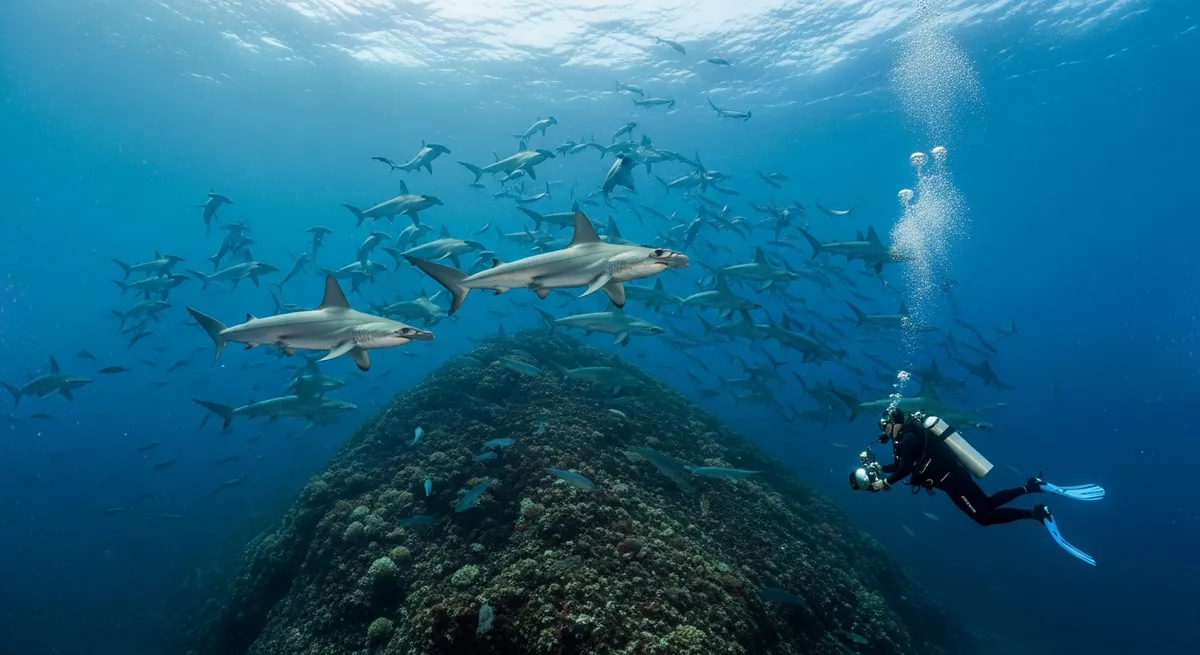
Cocos Island: Deep Realm of Hammerheads
Costa Rica
Cocos Island, a remote and challenging outpost off Costa Rica, stands as a premier deep diving destination. Its nutrient-rich waters, particularly around ancient seamounts, attract immense schools of hammerheads, giant mantas, and whale sharks. Plunging into its profound depths offers unparalleled encounters with these pelagic giants, making it a dream for advanced deep divers.
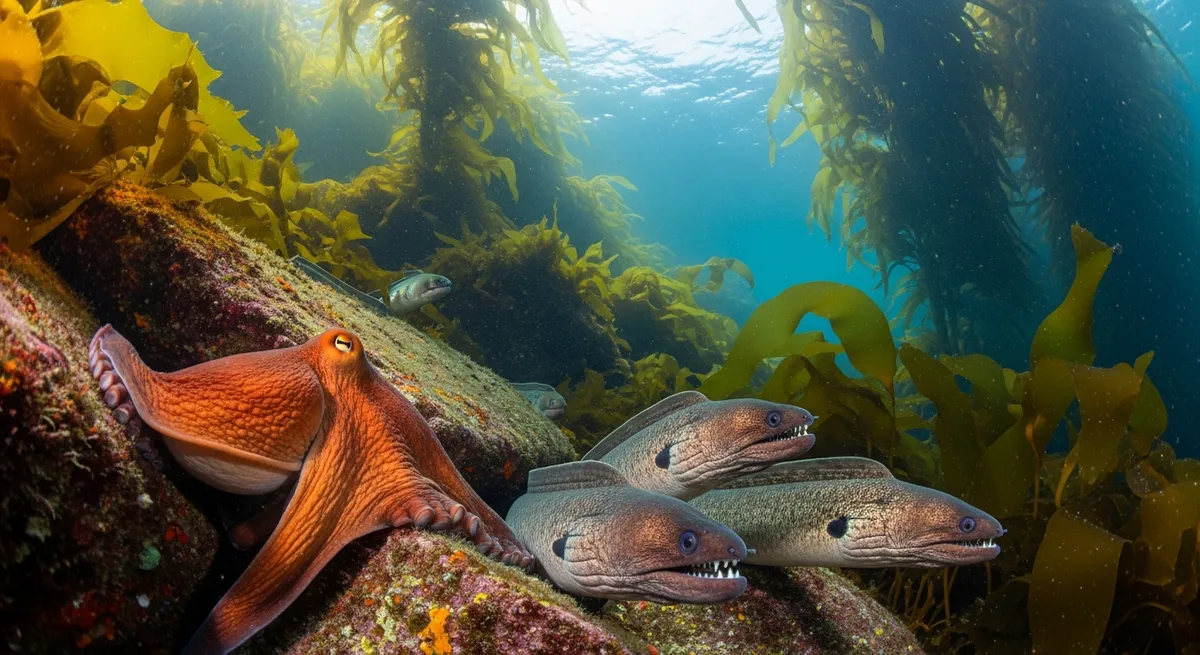

Dive into British Columbia's thrilling depths for unparalleled cold-water deep diving. Explore magnificent artificial reefs-sunken ships transformed into vibrant ecosystems-and dramatic natural walls teeming with unique Pacific marine life like giant octopus and wolf eels, offering prime deep exploration.
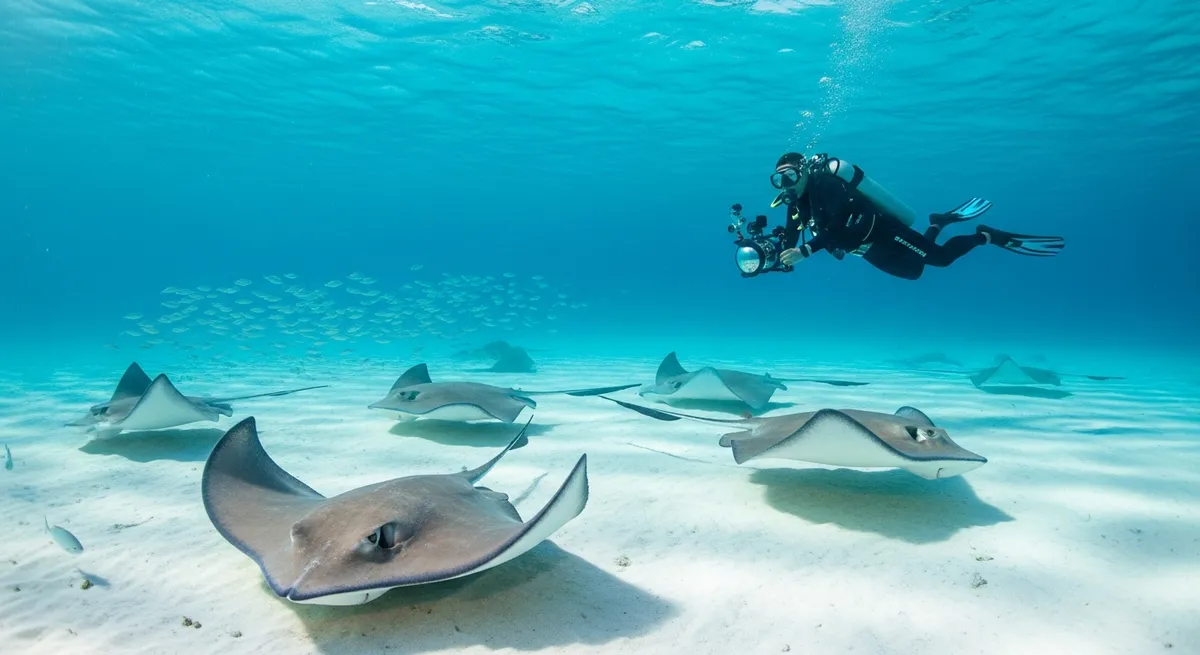
Grand Cayman: Dramatic Deep Dives Just Off Shore
Cayman Islands
Grand Cayman is renowned for its breathtaking deep walls that plummet thousands of feet, creating unparalleled opportunities for extensive multi-level deep profiles. Divers can experience these dramatic descents and explore the vibrant life along the abyss, often just a short boat ride from shore.
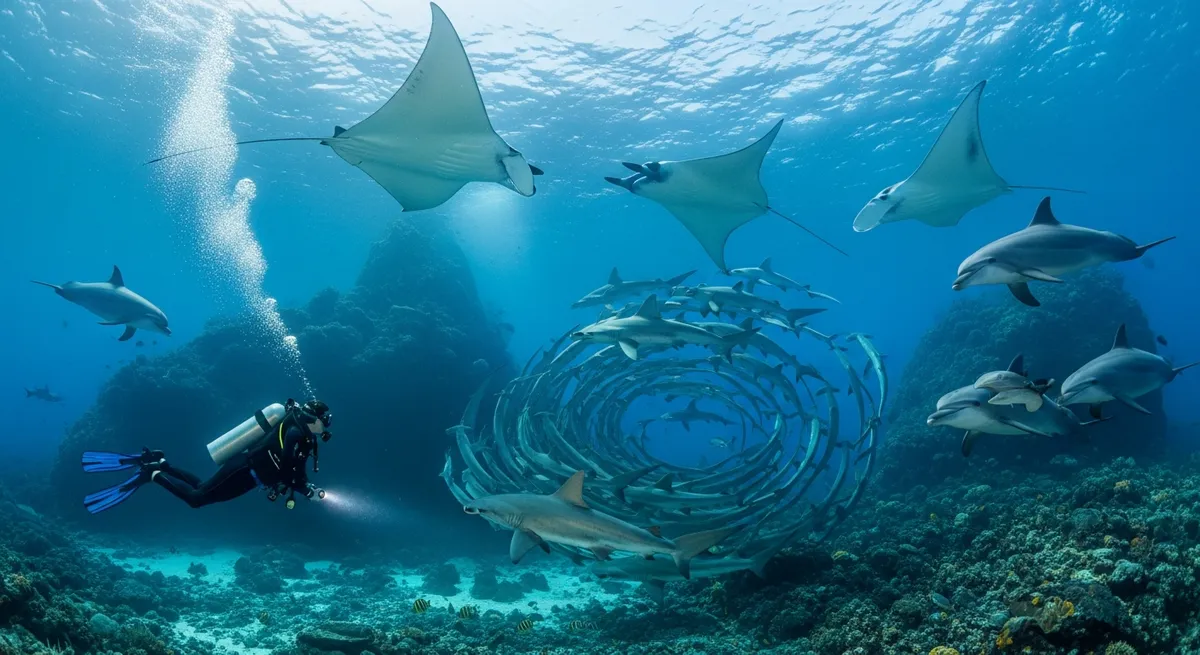

The remote Socorro Islands offer unparalleled deep diving opportunities on their unique oceanic seamounts and pinnacles. These deep, current-swept structures are a magnet for incredible encounters with giant manta rays, sharks, and humpback whales, making it a pinnacle deep-water experience.
About This Collection
Deep diving is defined by most training agencies as diving between 18 and 40 metres for recreational divers, with technical diving extending beyond 40 metres using specialised gas mixtures and equipment. The best deep diving destinations provide compelling reasons to descend - whether it is a famous underwater landmark at depth, encounters with species that do not frequent shallow water, or dramatic geological features like blue holes, drop-offs, and deep caves.
The Great Blue Hole in Belize is perhaps the world's most iconic deep dive - a 300-metre-wide, 125-metre-deep sinkhole where massive stalactites at 40 metres evidence its formation as a dry cave during the last ice age. The experience of descending into the blue void, surrounded by Caribbean reef sharks, is unforgettable. Dahab's Blue Hole offers a different deep dive experience with its famous arch at 56 metres connecting to open water.
Deep diving demands respect. Nitrogen narcosis, accelerated air consumption, and reduced bottom times are real considerations. Proper training (Deep Diver specialty or technical diving certification), conservative planning, and a reliable buddy are non-negotiable. The destinations featured here reward properly trained divers with experiences that justify the depth.