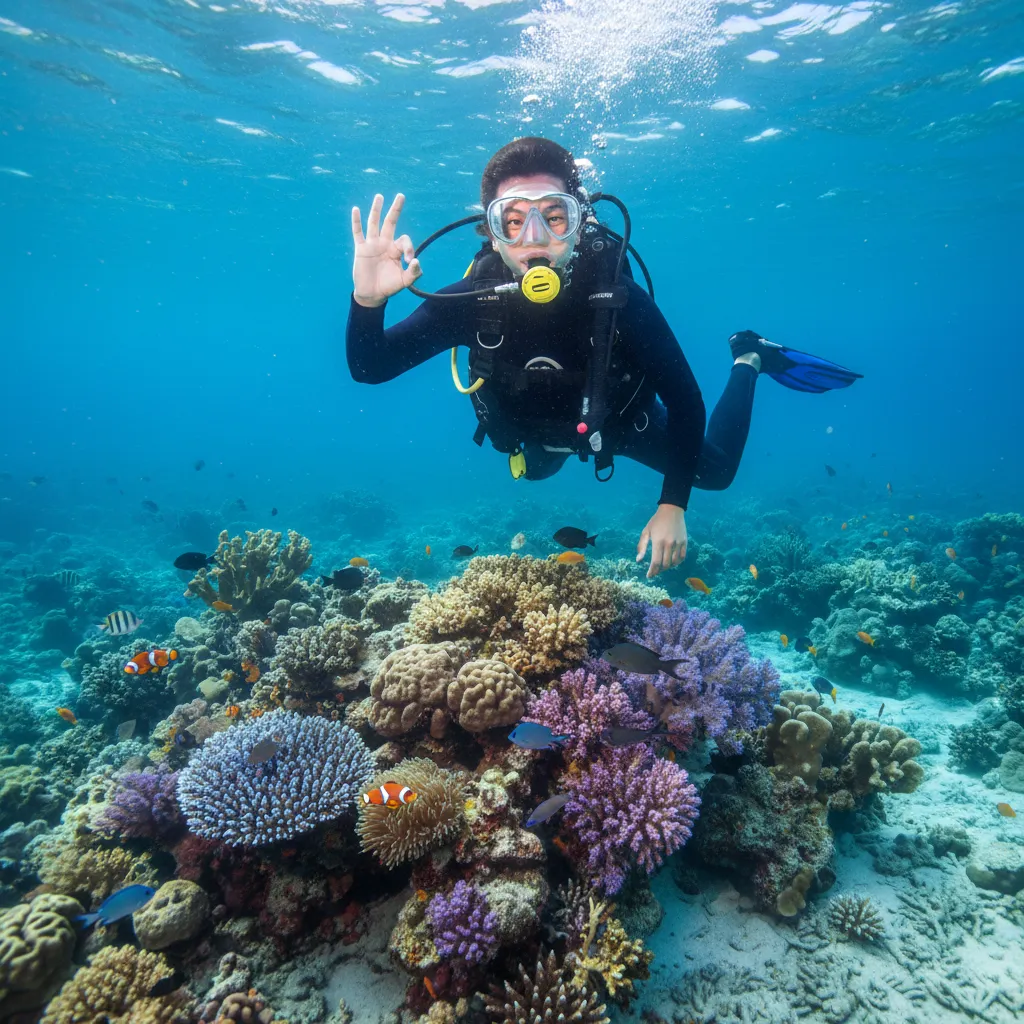
Best Places for Your First Open Water Dive
Your very first breath underwater in open water is a moment you will never forget. These destinations ensure that moment happens in the most magical setting possible - warm, clear water where tropical fish surround you from the first minute, with professional instructors who make the experience feel safe, exciting, and utterly addictive. Whether you are completing your Open Water certification or doing a Discover Scuba Diving experience, these locations turn first-timers into lifelong divers.
12 destinations in this collection
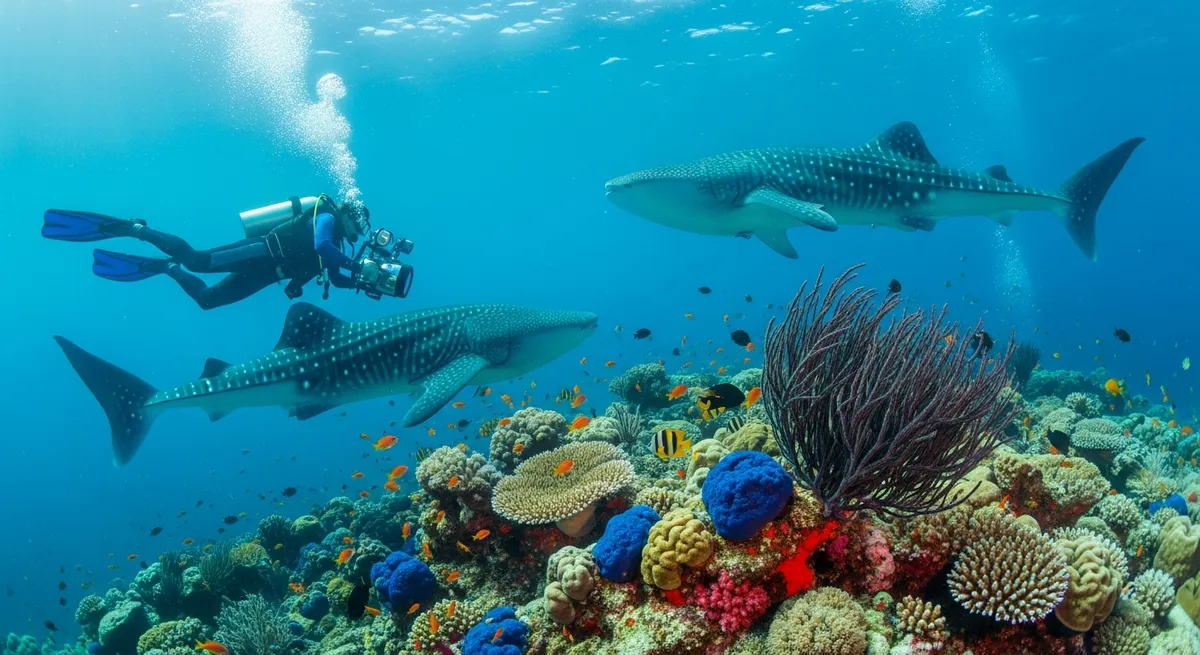
Koh Tao, Thailand
Thailand
The world's most popular destination for first-time divers, with hundreds of schools and the warm, gentle Gulf of Thailand.
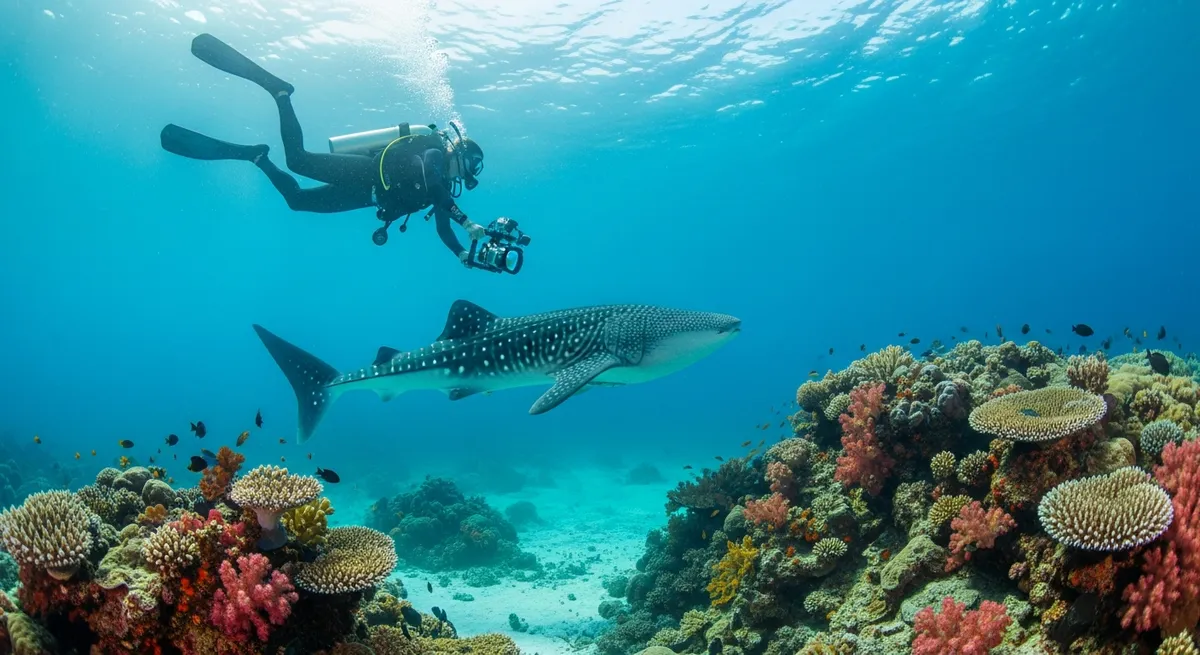
Utila, Honduras
Honduras
Tiny Caribbean island with the most affordable dive courses in the Western Hemisphere and a relaxed island atmosphere.
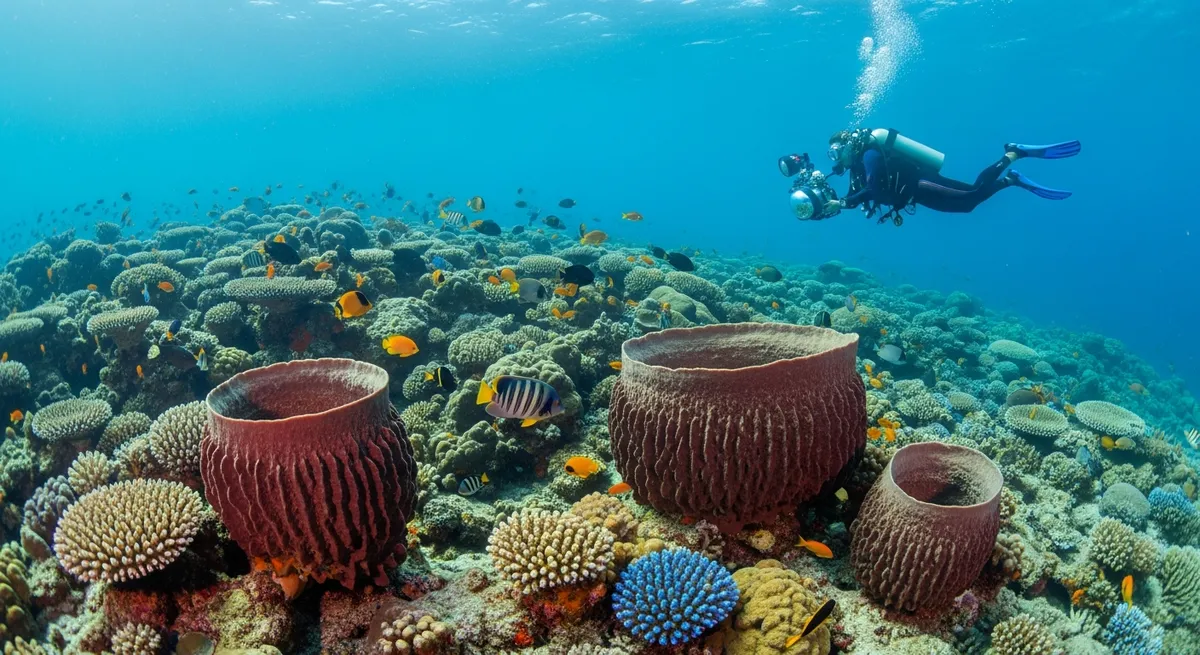
Cozumel, Mexico
Mexico
Stunning 30-metre visibility and gentle currents make this Caribbean island a dream setting for your first underwater breaths.
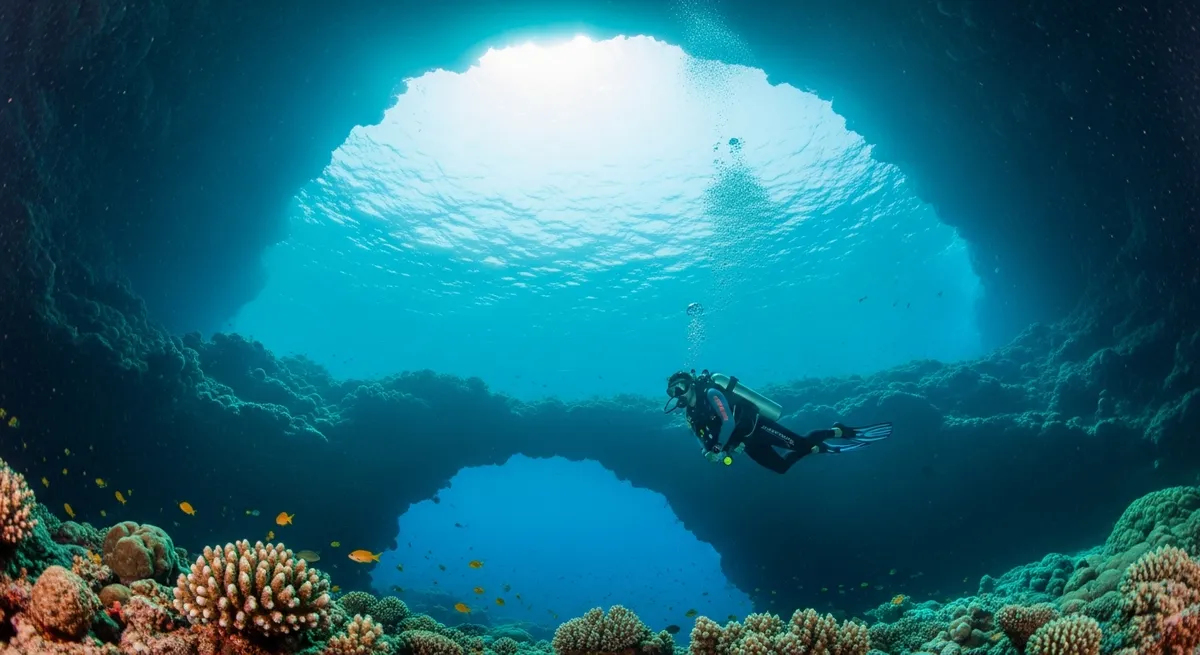
Dahab, Egypt
Egypt
Laid-back Red Sea town with shore-accessible sites, the famous Blue Hole lighthouse reef, and a bohemian vibe perfect for new divers.
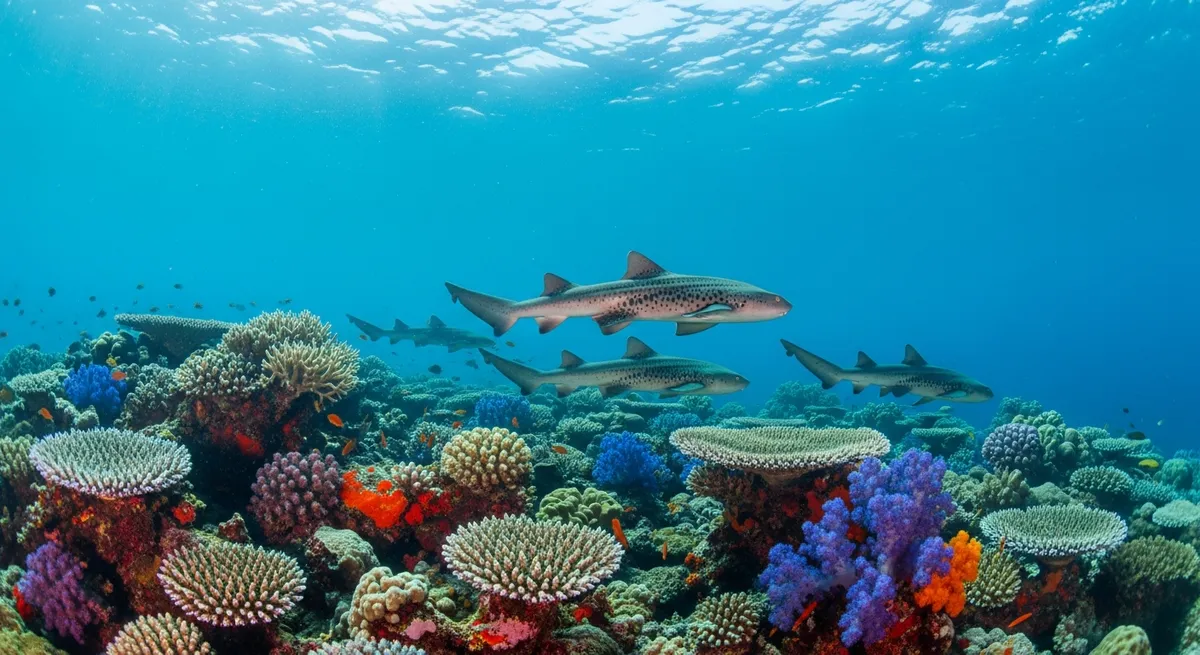
Koh Phi Phi, Thailand
Thailand
Stunning Andaman Sea scenery with sheltered bays, warm water, and colourful reefs just minutes from the beach.
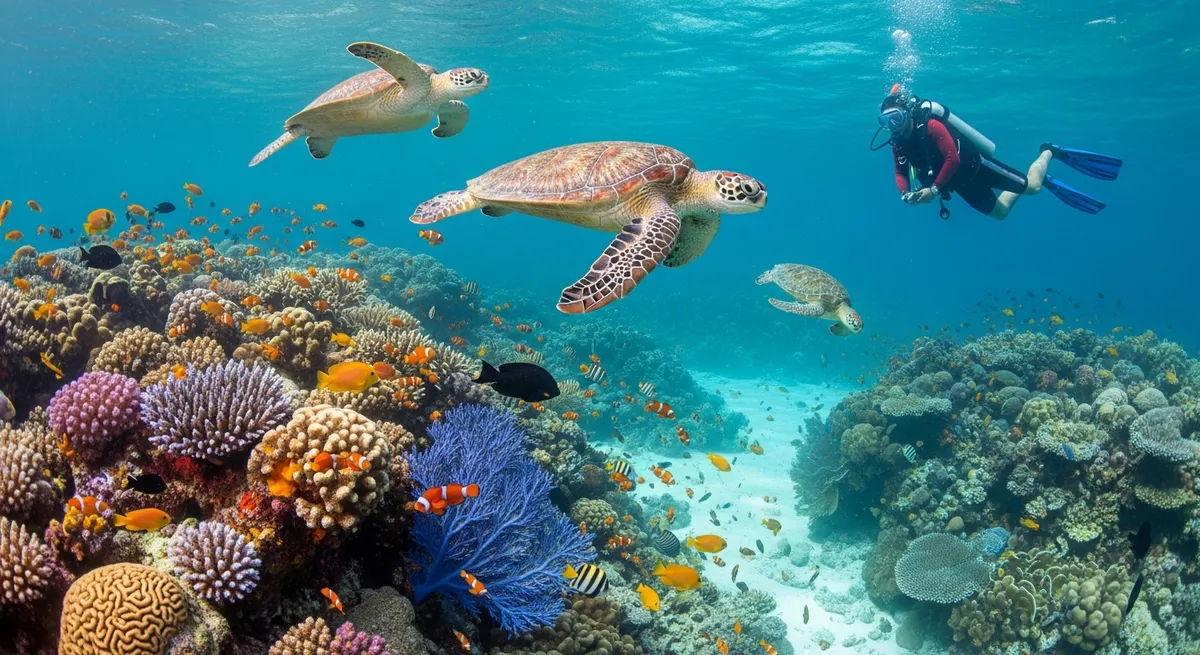
Dumaguete, Philippines
Philippines
Gentle shore diving with remarkable macro life and the famous Apo Island turtle sanctuary a short boat ride away.
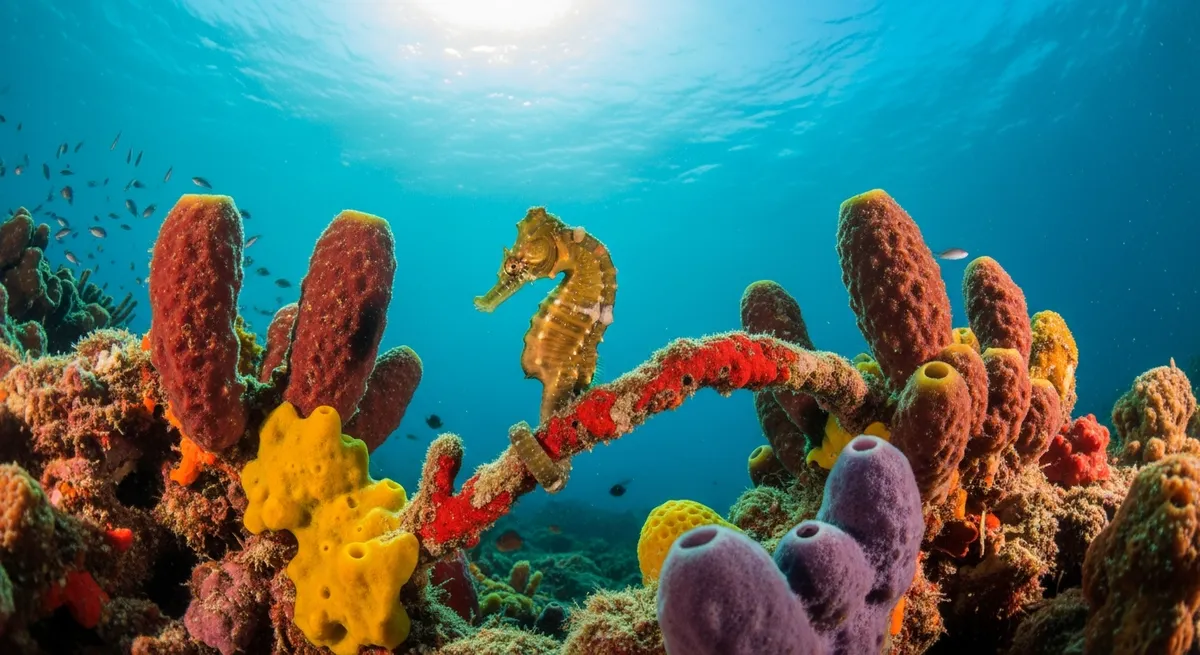
The Bonaire West Coast is renowned for its incredibly calm, crystal-clear waters, making it perfect for new divers. Numerous shore dive sites offer easy, gradual entries directly to vibrant, shallow reefs teeming with marine life, ensuring an unforgettable and stress-free first open water experience.
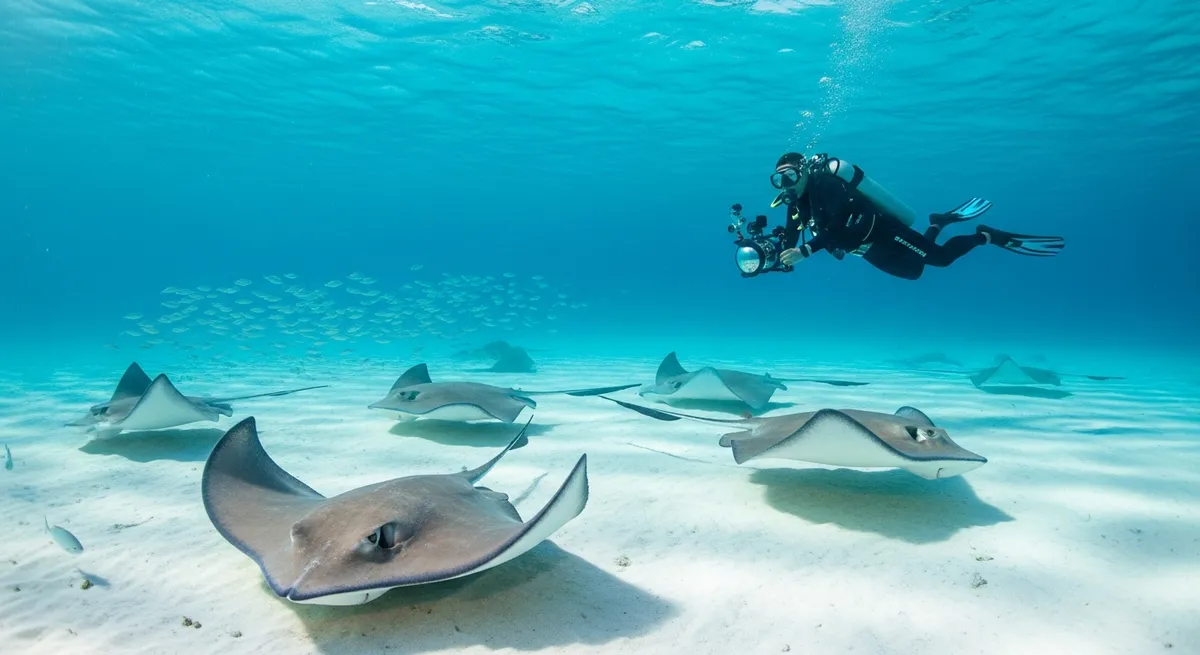
Grand Cayman: Ultimate First Open Water Dive Destination
Cayman Islands
Grand Cayman's exceptionally calm, clear waters and outstanding visibility are perfect for a first open water dive. Abundant shallow reefs and world-class dive operators ensure a safe, comfortable, unforgettable introduction.
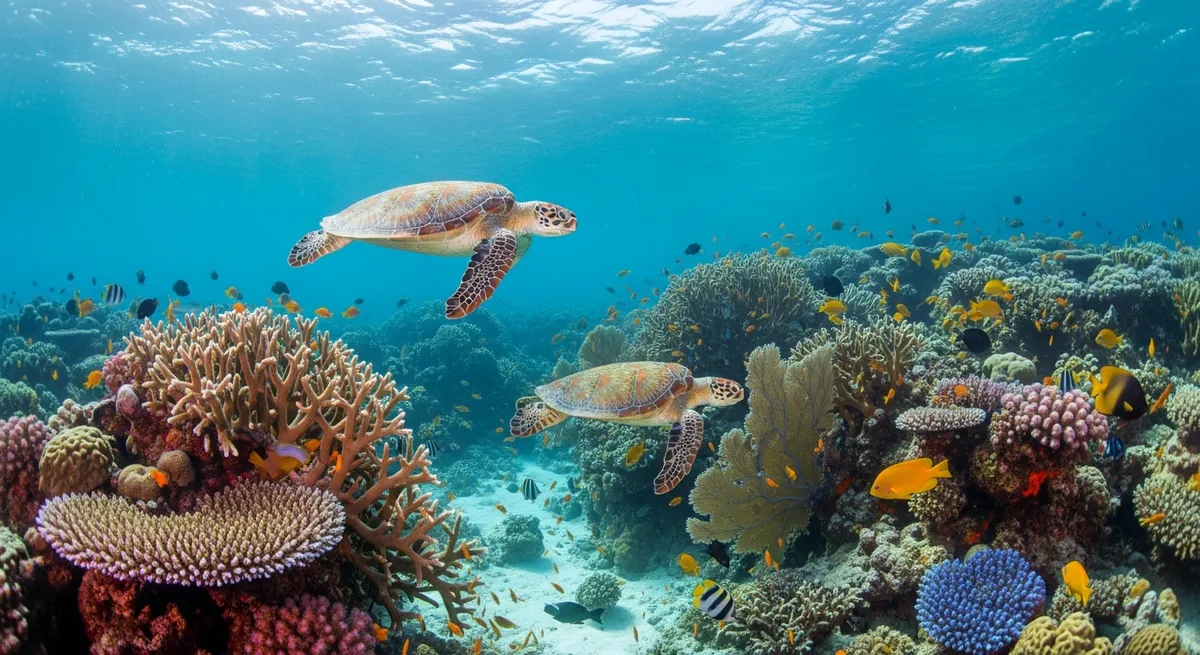
Florida Keys: Perfect for Your First Open Water Dive
United States
Dive into crystal-clear, shallow waters teeming with vibrant marine life in the Florida Keys. Its consistently excellent visibility and abundance of reputable training facilities provide the perfect, low-stress environment to master your skills and truly enjoy your very first open water experience.
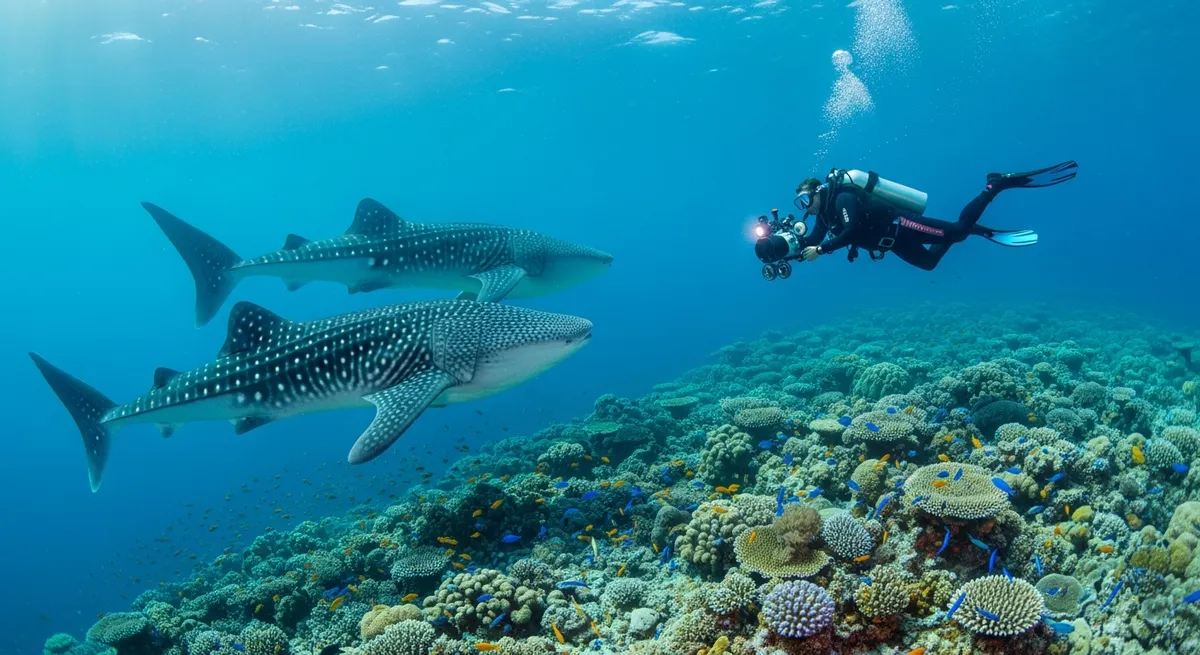

Discover Al Lith & The Red Sea Project, where calm bays and exceptional visibility create the perfect conditions for your initial open water dives. Explore accessible, colorful reefs teeming with marine life, all supported by a wealth of professional dive centers dedicated to beginner instruction.
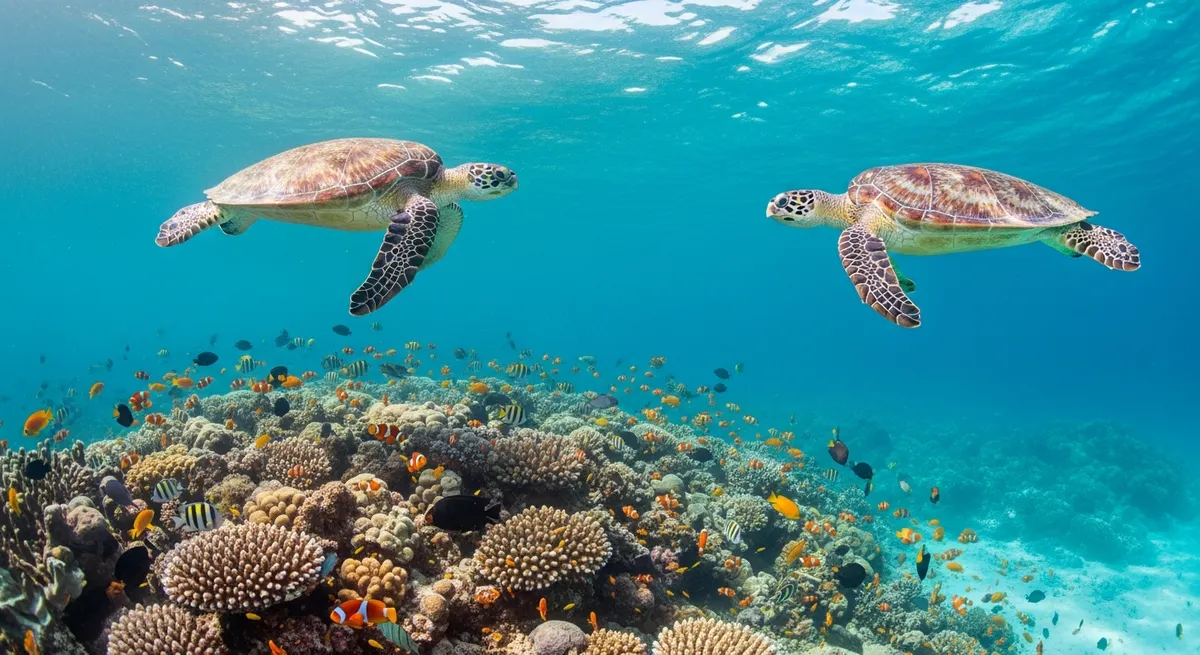

Perhentian Islands offers an unparalleled introduction to diving with its consistently warm, crystal-clear waters and gentle currents. Its numerous shallow dive sites are teeming with vibrant marine life, providing a comfortable and captivating environment perfect for mastering your first Open Water skills and earning your certification.
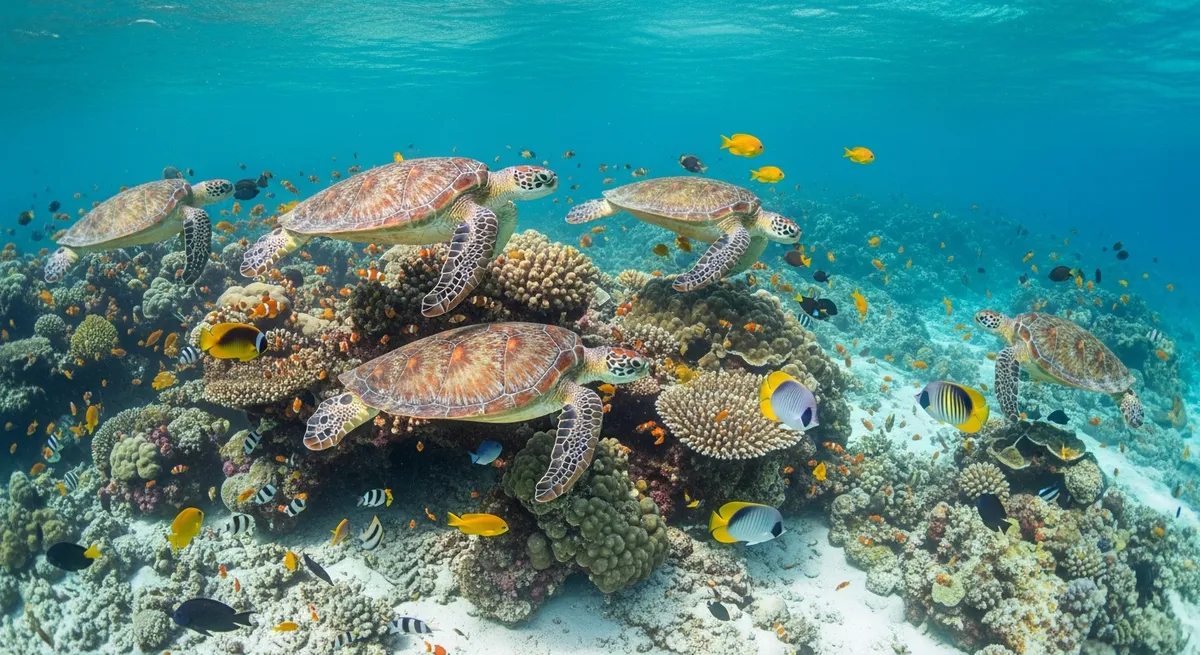

The calm, shallow waters surrounding Lombok and the Gili Islands are a dream for new divers, teeming with gentle turtles and vibrant reef fish. Numerous affordable dive schools offer excellent instruction, creating a stress-free environment to complete your first open water certification. It's an unforgettable introduction to the underwater world.
About This Collection
The Perfect First Open Water Experience
Your first open water dive should be in conditions that let you focus entirely on the experience rather than fighting cold, poor visibility, or anxiety. Water temperature above 27°C means no thick wetsuit restricting your movement. Visibility beyond 15 metres means you can see the reef, your buddy, and your instructor clearly. Minimal current means you can hover in place and take in the wonder without being swept along. And shallow, colourful reefs mean the best marine life is right there at 8 to 12 metres - no deep descents required.
Discover Scuba vs. Open Water Course
A Discover Scuba Diving (DSD) experience takes half a day and lets you dive to 12 metres after a brief pool session and theory briefing. It is perfect if you want to try diving without committing to a full course. An Open Water certification takes 3-4 days and qualifies you to dive to 18 metres independently for life. Both options are available at every destination on this list, and many divers start with a DSD and upgrade to the full course the next day.
What to Bring
Everything is provided by the dive school, but bringing your own mask ensures a perfect fit and eliminates the most common source of discomfort for new divers. Reef-safe sunscreen is essential in these tropical locations. A waterproof camera - even a basic action camera - captures memories you will treasure. Most importantly, bring an open mind and a willingness to breathe slowly and relax.