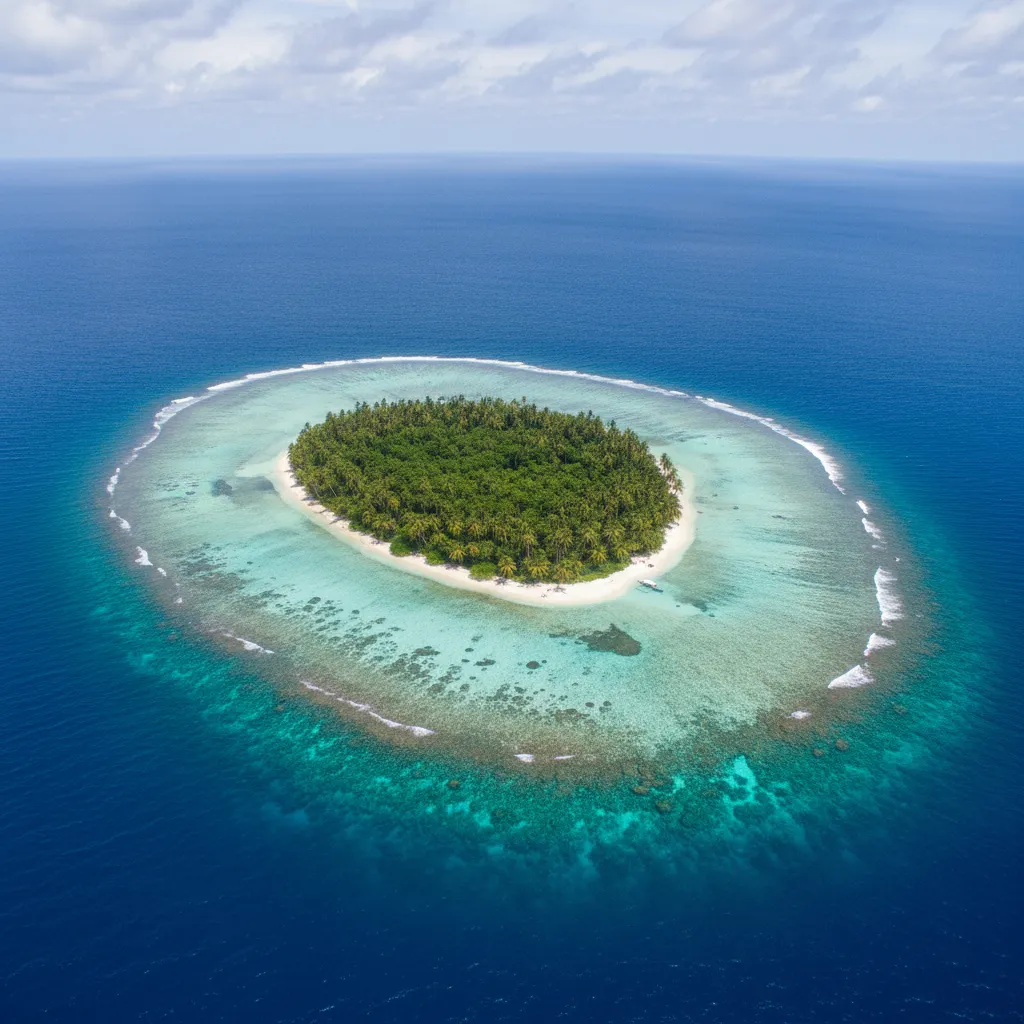
Most Remote Diving Adventures
For divers who crave true wilderness, these destinations sit at the edge of civilisation where the ocean remains virtually untouched by human activity. Reaching them requires multi-day boat crossings, chartered flights, or expeditionary logistics - but the reward is diving reefs and walls that have never seen a fin kick, encountering marine life that has never learned to fear humans, and experiencing a profound sense of isolation that makes every dive feel like genuine exploration.
11 destinations in this collection
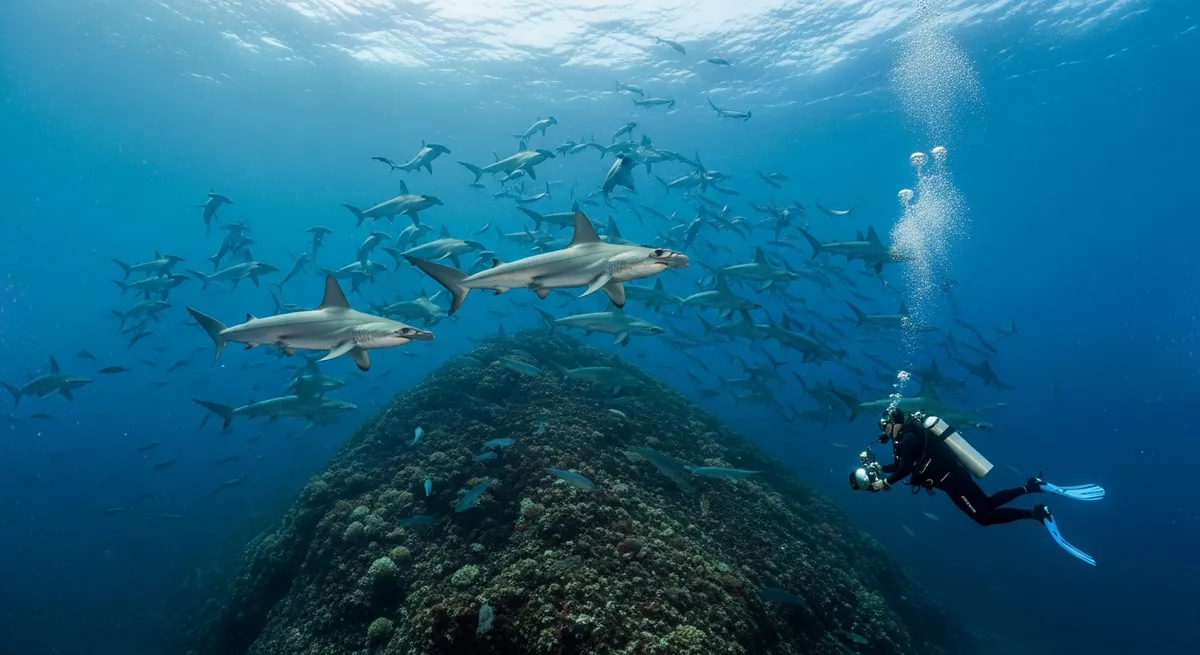
Cocos Island, Costa Rica
Costa Rica
36-hour ocean crossing to a UNESCO island with hammerhead highways, whale sharks, and reefs untouched by shore-based tourism.
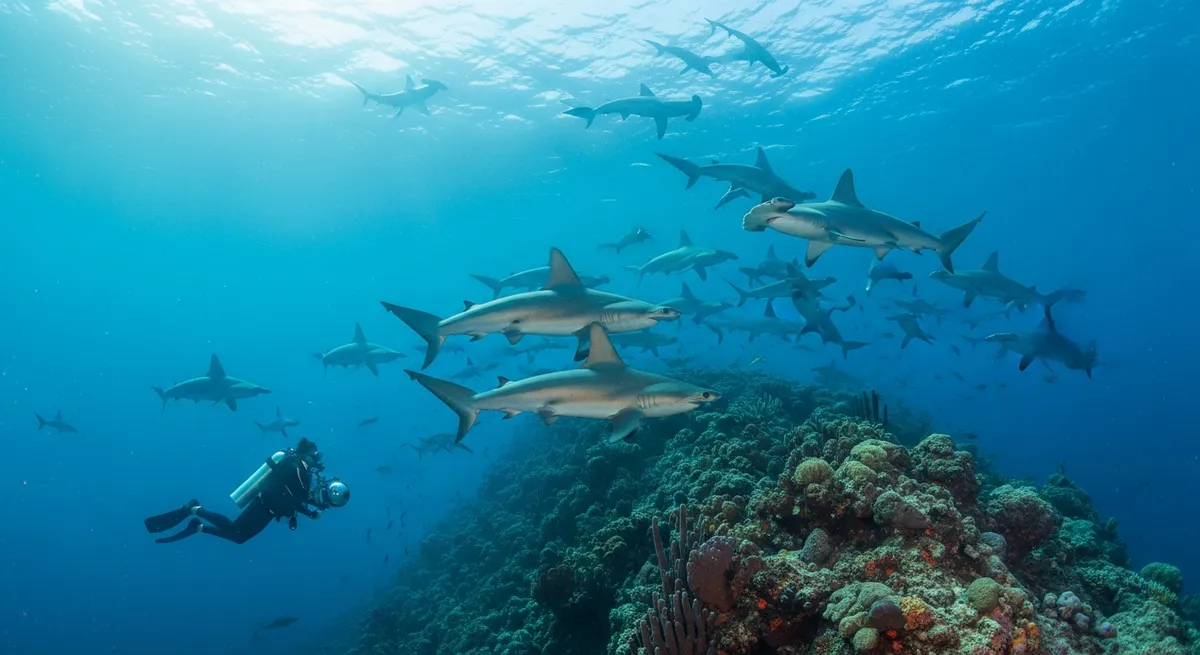
Malpelo Island, Colombia
Colombia
A volcanic pinnacle 500km offshore with the largest hammerhead schools on Earth and complete wilderness immersion.
Socorro Islands, Mexico
Mexico
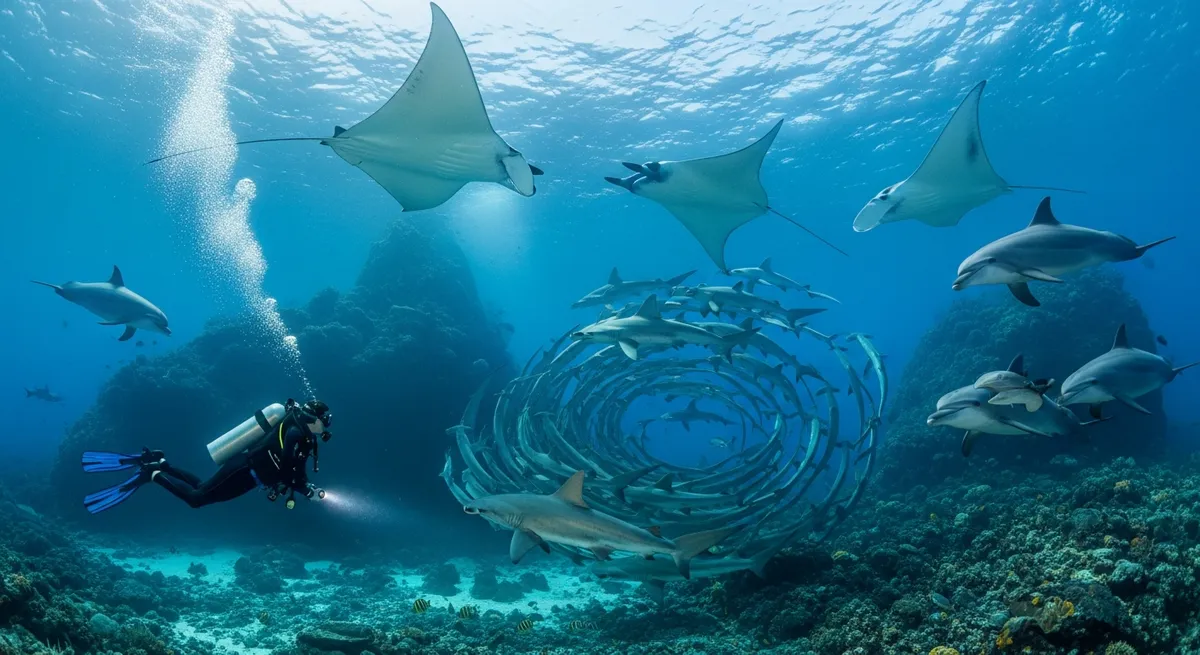
Remote Pacific archipelago reached by 24-hour liveaboard crossing, famous for giant mantas and humpback whale encounters.
Aldabra Atoll, Seychelles
Seychelles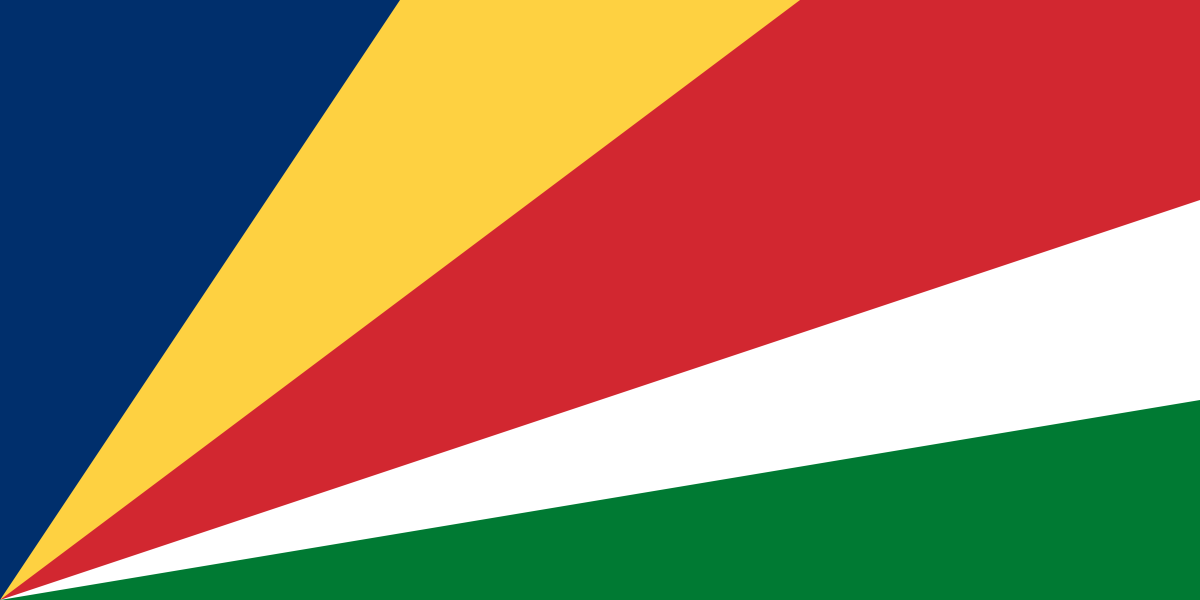
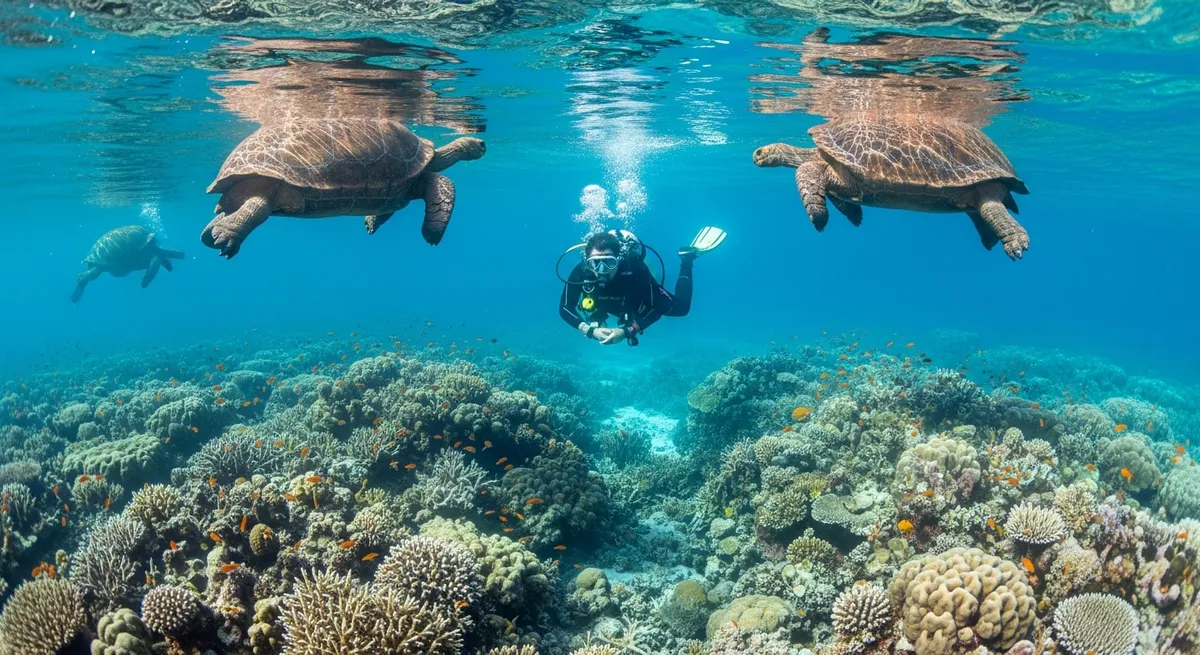
UNESCO World Heritage atoll with the world's largest population of giant tortoises and pristine, unexplored reef systems.
Christmas Island, Australia
Australia
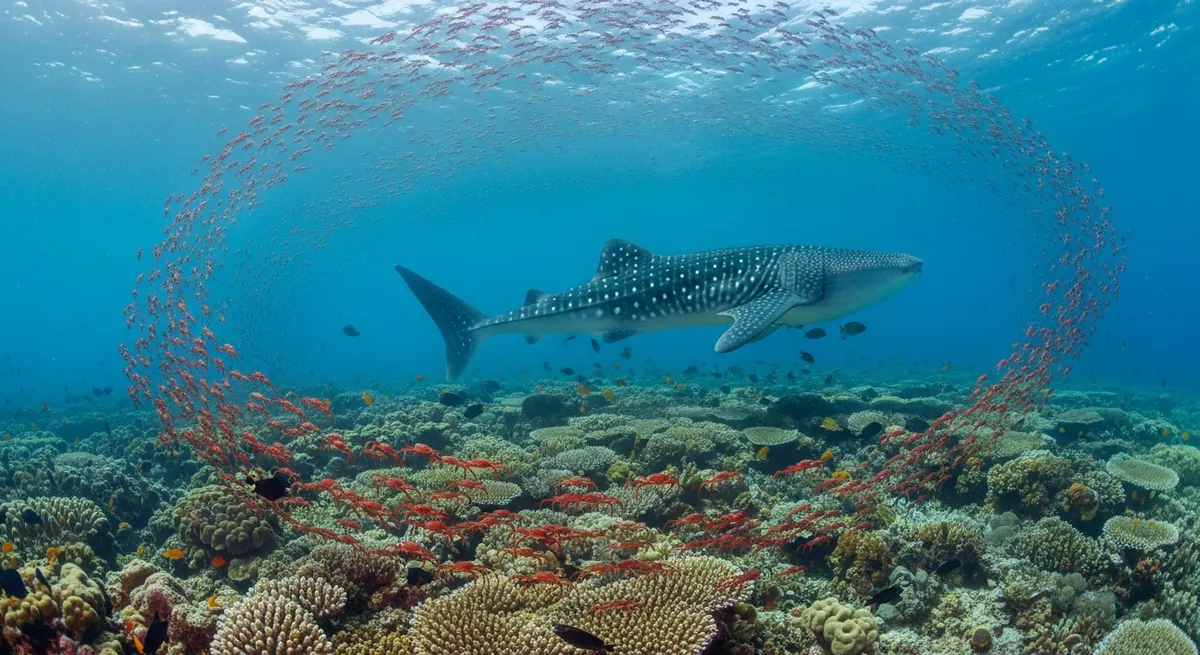
Remote Indian Ocean island famous for its annual red crab migration and sheer underwater walls plunging into the abyss.
Remote Raja Ampat, Indonesia
Indonesia
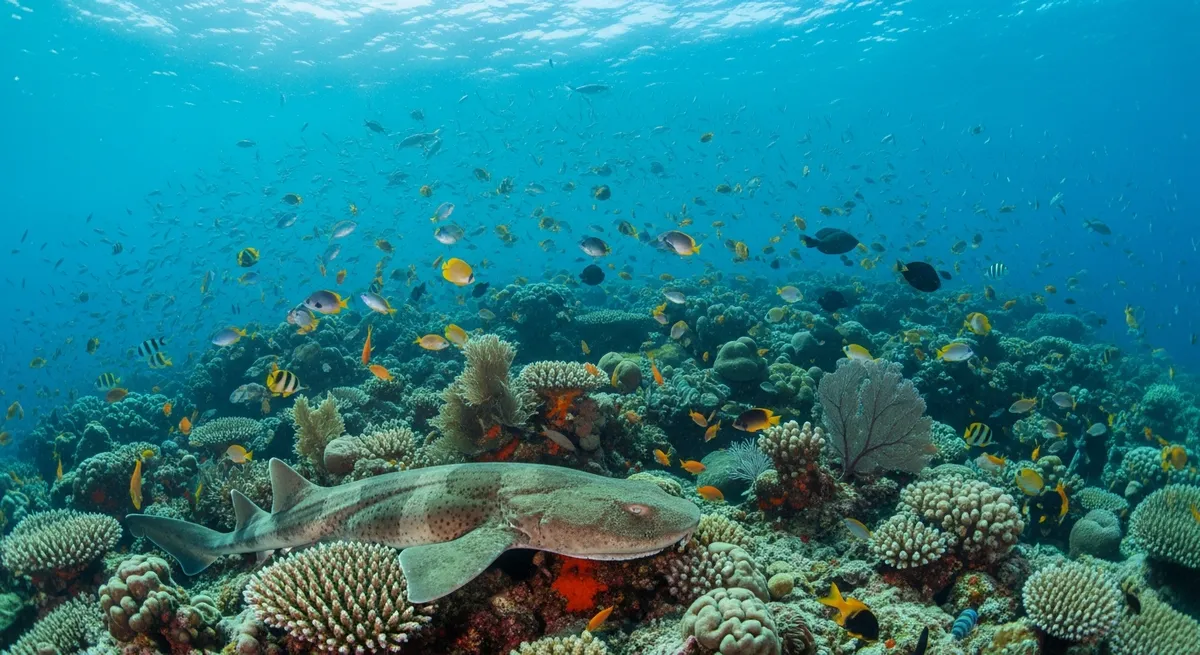
The outer reaches of Raja Ampat's 1,500 islands remain largely unexplored - accessible only by liveaboard expedition.
Wolf & Darwin, Galápagos
Ecuador
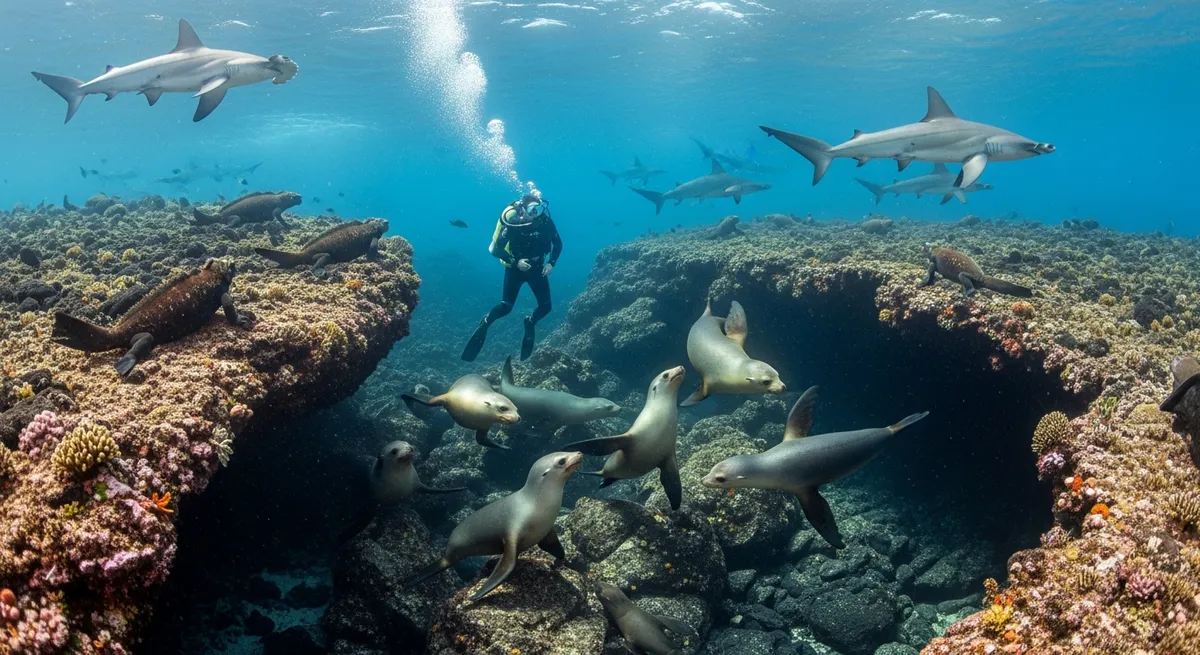
The northernmost Galápagos islands, 12 hours from port, where whale shark encounters and hammerhead rivers await.
Bikini Atoll: Legendary Wrecks, Extreme Remote Access
Marshall Islands
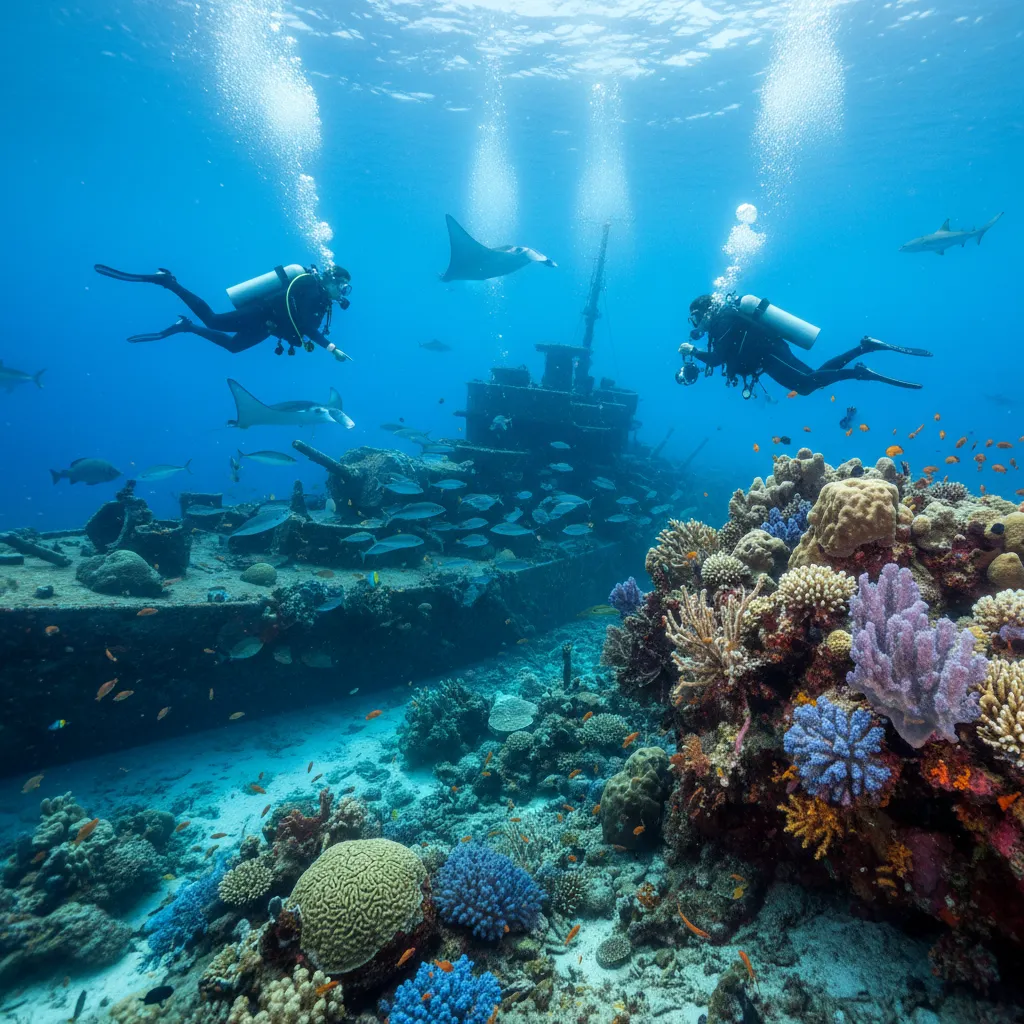
Bikini Atoll truly embodies the spirit of remote adventure, offering unparalleled access to a ghost fleet of historic WWII vessels, including battleships, aircraft carriers, and destroyers, resting deep within its depths. Reaching this site requires meticulous planning and adherence to strict regulations, making the journey itself a testament to your dedication to extreme exploration and rewarding you with a dive into a preserved underwater museum accessible to only a privileged few.
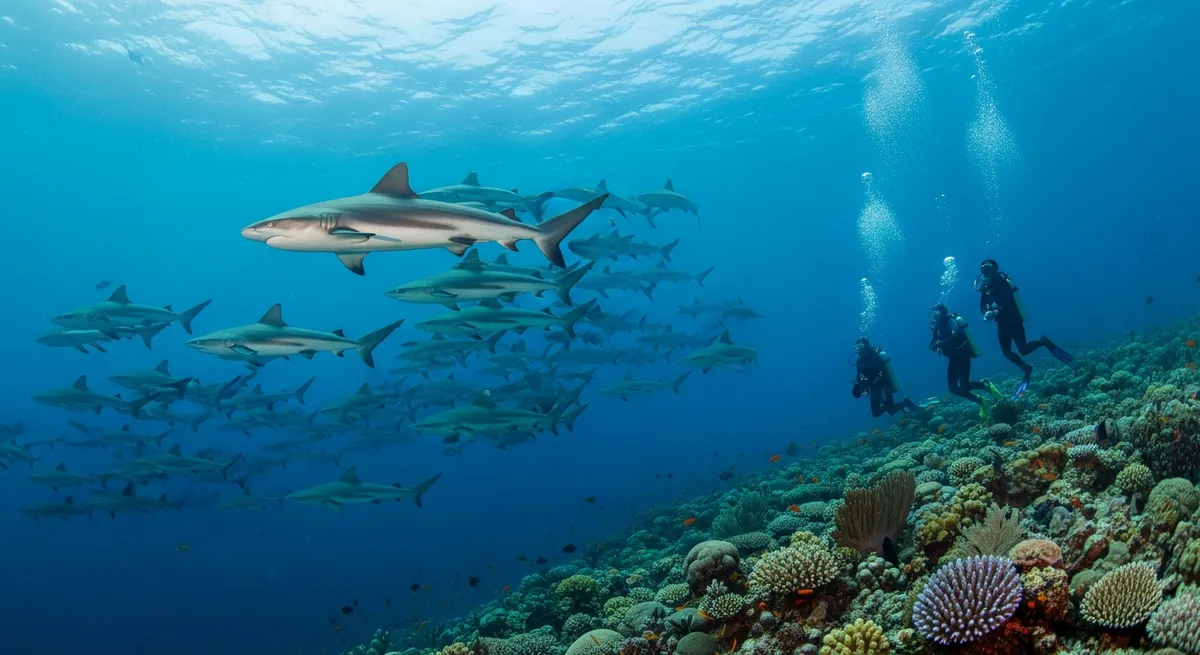
Fakarava: Shark Thrills in a Pristine Remote Atoll
French Polynesia
Experience true isolation in Fakarava, a remote UNESCO Biosphere Reserve known for its incredible biodiversity. Its legendary strong pass currents create thrilling drift dives, attracting unparalleled aggregations of sharks and pelagic species, promising an untouched pelagic spectacle only accessible to intrepid divers.
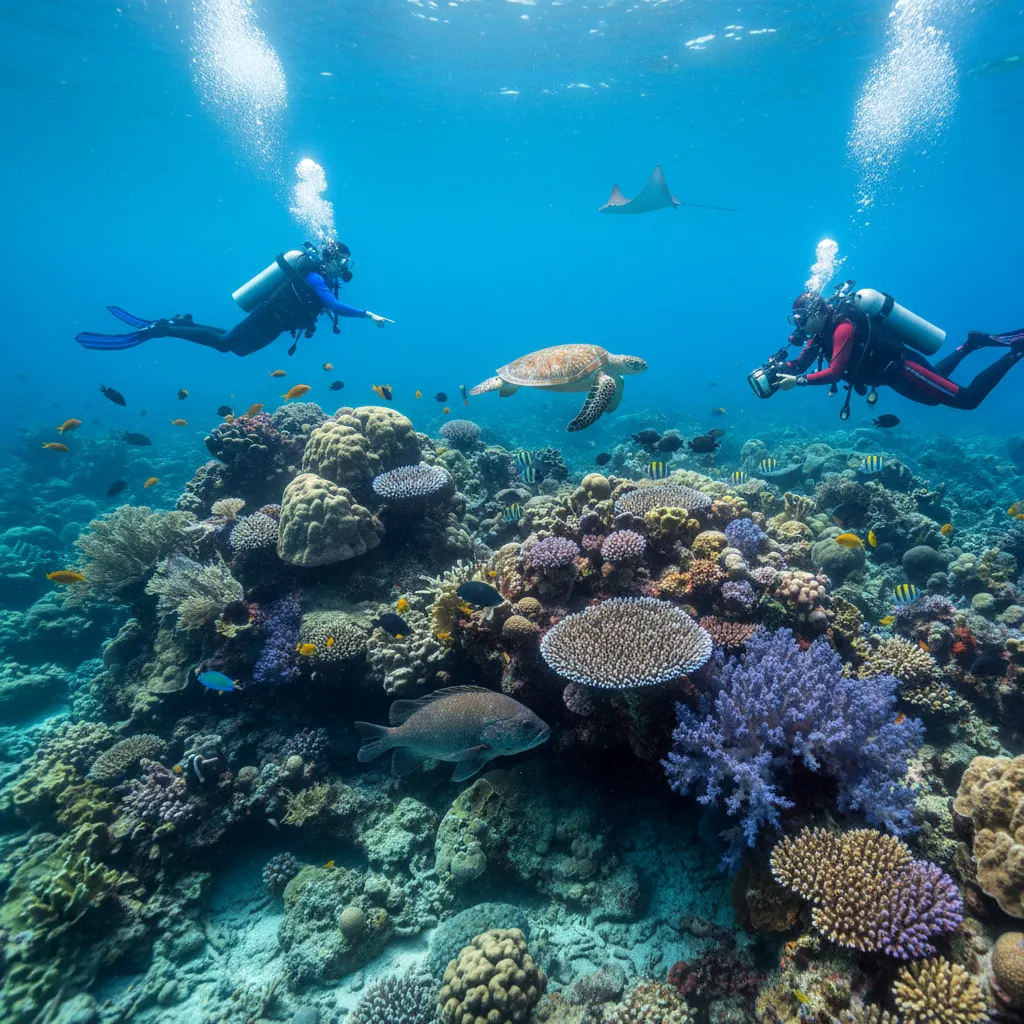
Rodrigues: Far East, Uncrowded Reefs
Mauritius
Located far to the east of Mauritius, Rodrigues Island is a true beacon of tranquility, offering divers vast, healthy coral gardens and diverse marine life. This remote Indian Ocean gem provides an unparalleled opportunity to explore pristine, vibrant ecosystems away from the crowds, ensuring an exclusive and unforgettable diving adventure.
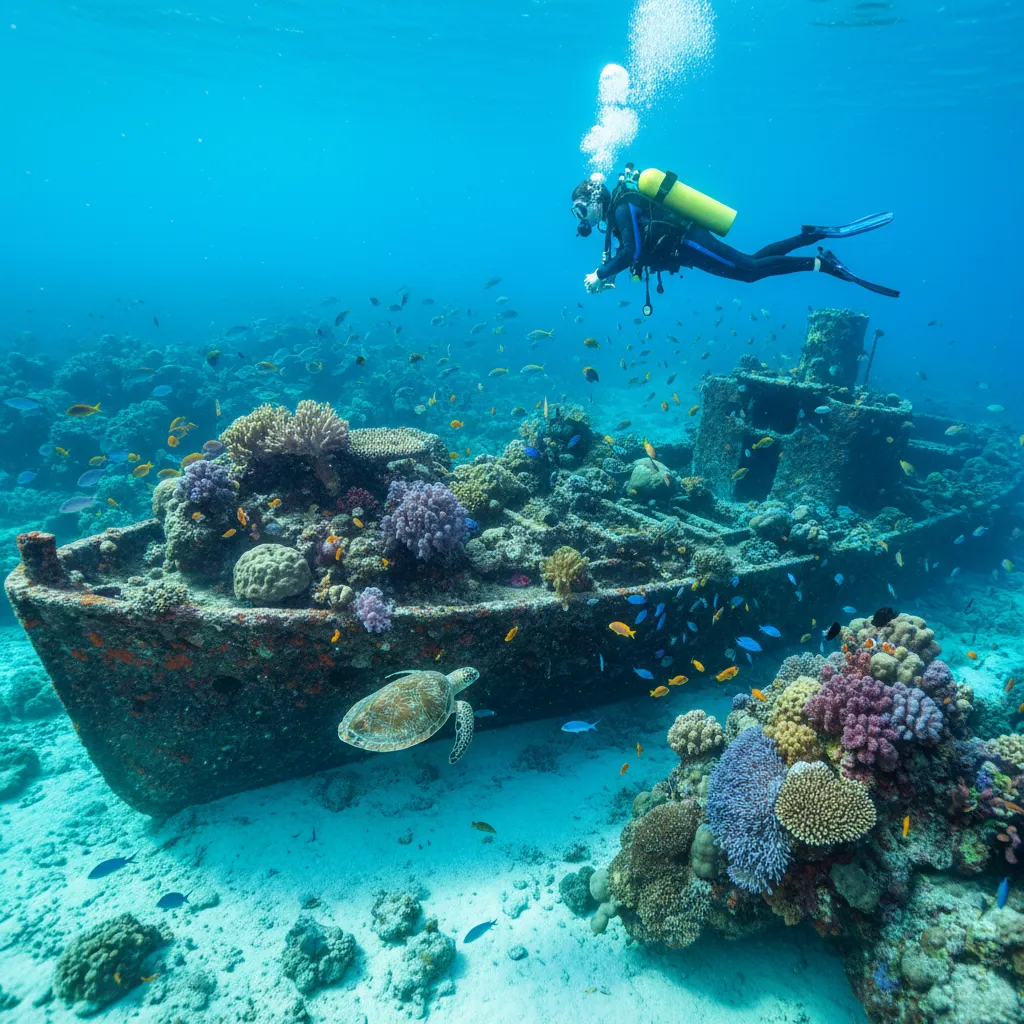

Espiritu Santo in Vanuatu offers unparalleled remote diving. It's home to the SS President Coolidge, the world's most accessible large wreck, alongside other WWII sites and vibrant, pristine reef systems. Its secluded Pacific location ensures an exclusive, off-the-beaten-path adventure for serious wreck and nature enthusiasts.
About This Collection
The Last Untouched Reefs
Remote dive destinations share a quality that is increasingly rare in our connected world: authenticity. The fish are larger because they have never been fished. The coral is healthier because it has never been anchored on. The visibility is extraordinary because there is no runoff, no pollution, no sediment disturbance. Diving a truly remote reef is a glimpse of what the ocean looked like before human impact, and it can be a profoundly moving experience.
Getting There Is the Adventure
These destinations demand commitment. Cocos Island requires a 36-hour open-ocean crossing from mainland Costa Rica. Malpelo Island is even more remote. The outer atolls of the Maldives are reached by multi-day liveaboard cruises. Some of these locations have no land-based accommodation whatsoever - the liveaboard is your hotel, restaurant, and dive centre rolled into one. The journey itself becomes part of the adventure, building anticipation as the last signs of civilisation disappear behind the horizon.