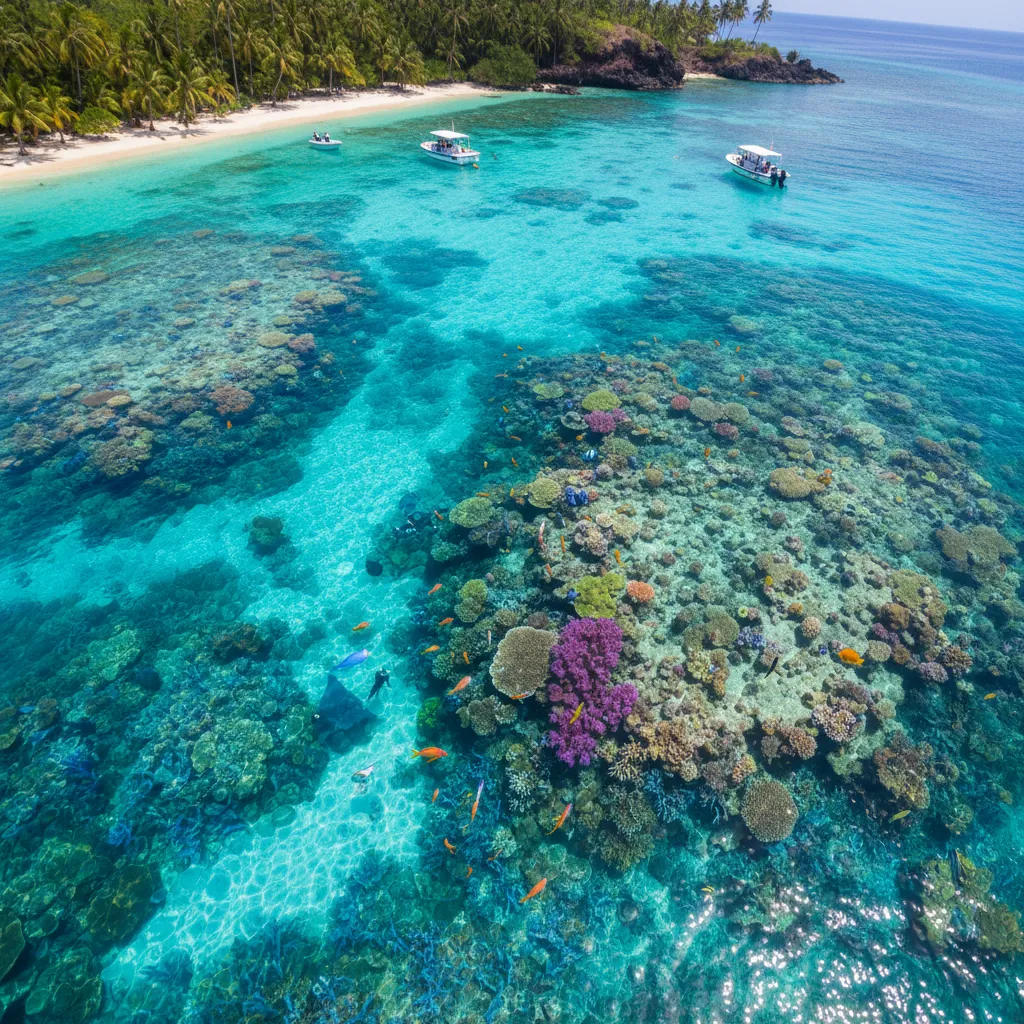
Top 10 Dive Sites in the World
These are the dive sites that appear on every serious diver's bucket list - the places where the underwater world reaches its absolute pinnacle. From the swirling hammerhead schools of the Galápagos to the impossibly biodiverse reefs of Raja Ampat, each site on this list represents a once-in-a-lifetime encounter that justifies any amount of travel. We have consulted decades of dive media rankings, survey data from thousands of divers, and our own extensive database to compile this definitive list.
11 destinations in this collection
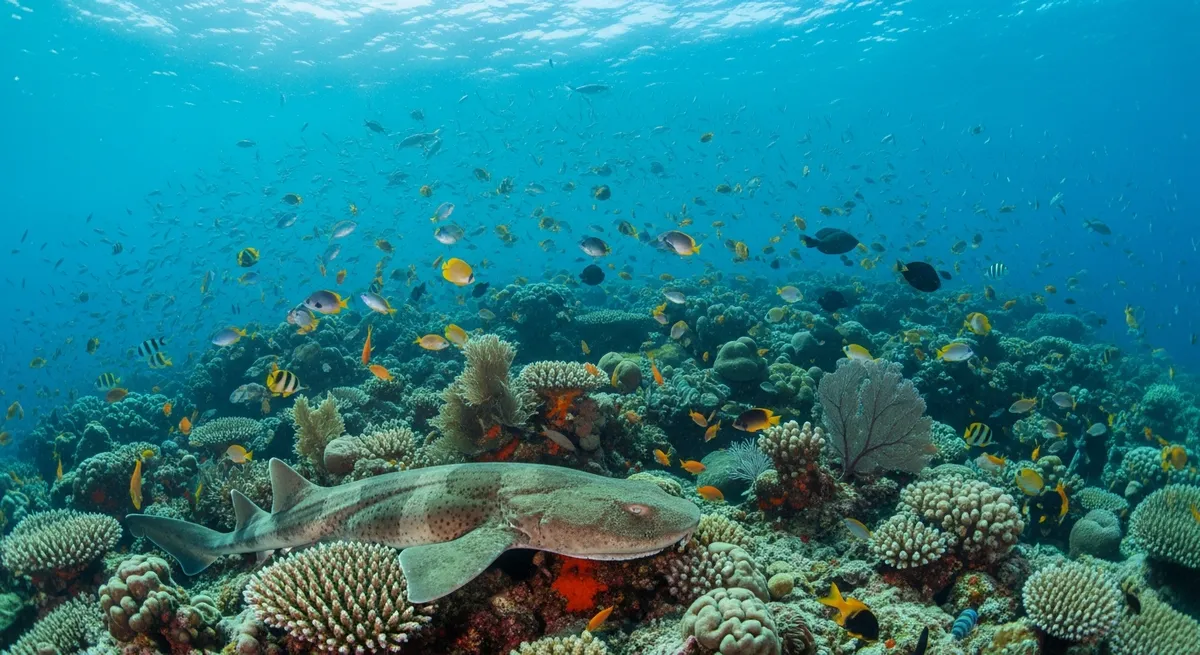
Raja Ampat, Indonesia
Indonesia
The epicentre of marine biodiversity with over 1,500 fish species - consistently ranked the world's number one dive destination.
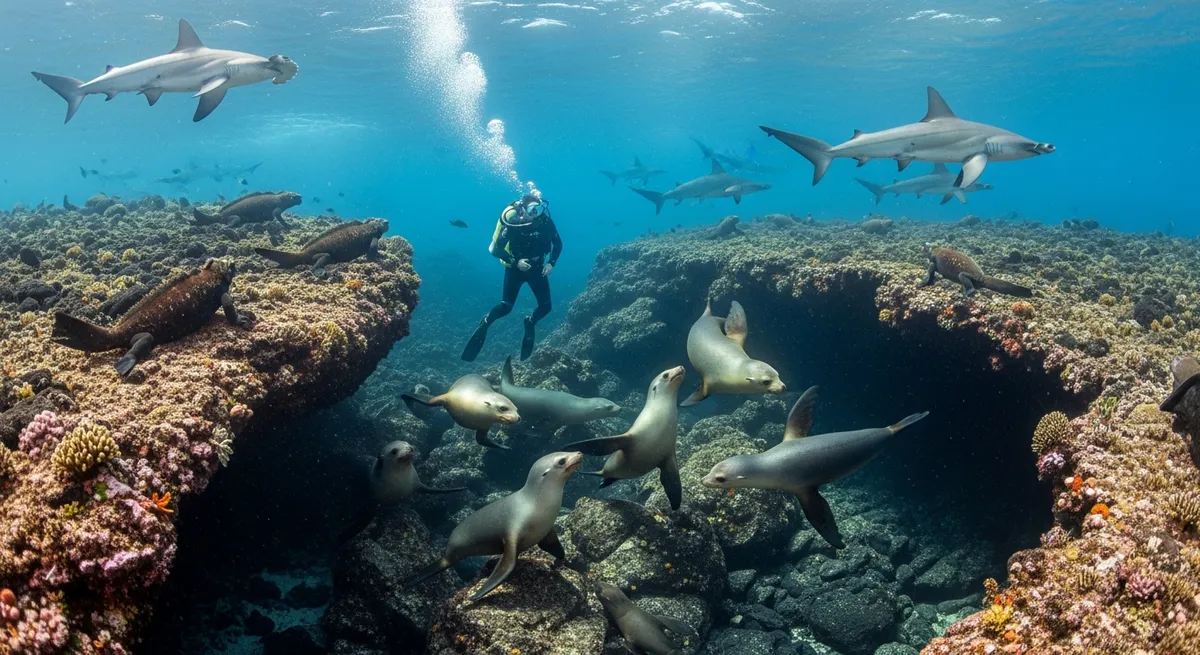
Galápagos Islands, Ecuador
Ecuador
Hammerhead schools at Wolf & Darwin, whale sharks, marine iguanas, and penguins in a UNESCO World Heritage marine reserve.
Sipadan, Malaysia
Malaysia
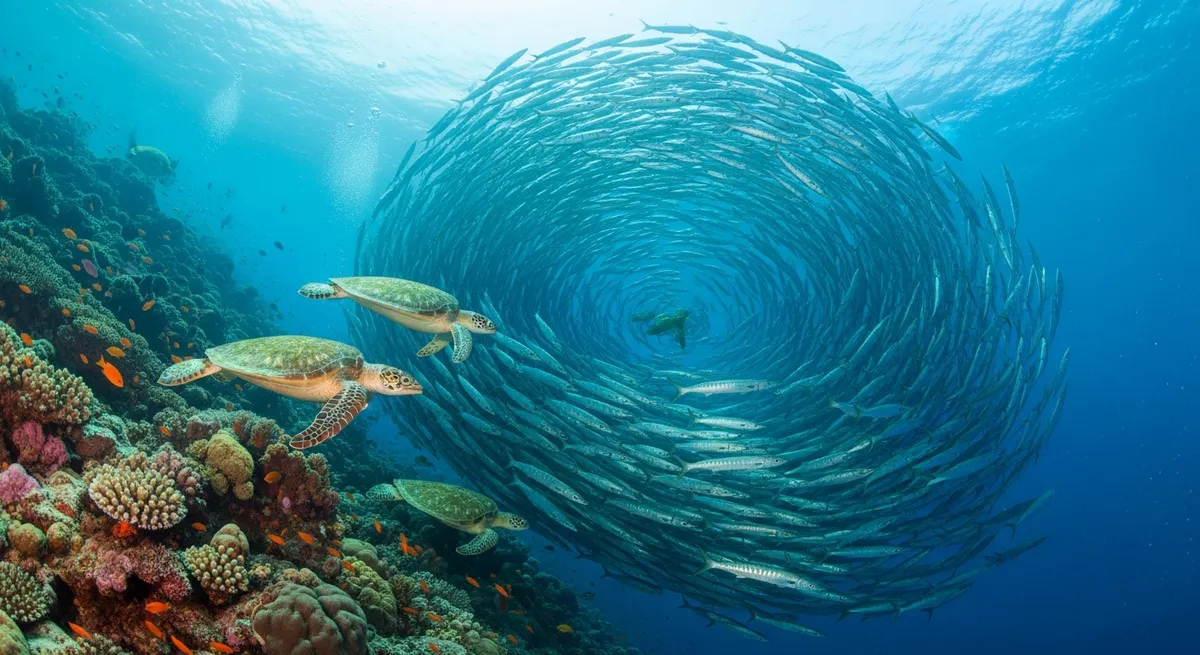
Tornado-like barracuda schools, green turtle highways, and a 600-metre wall drop-off at Borneo's legendary oceanic island.
Fakarava, French Polynesia
French Polynesia
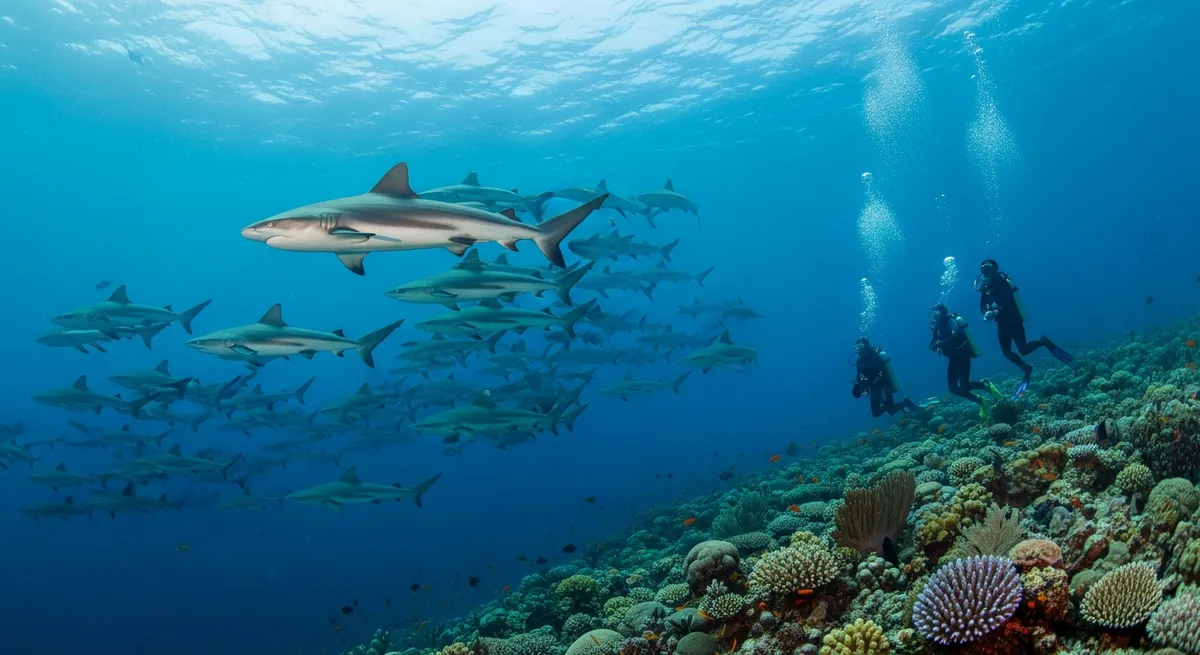
UNESCO biosphere reserve where 700+ grey reef sharks mass in the south pass - the largest shark aggregation on Earth.
Socorro Islands, Mexico
Mexico
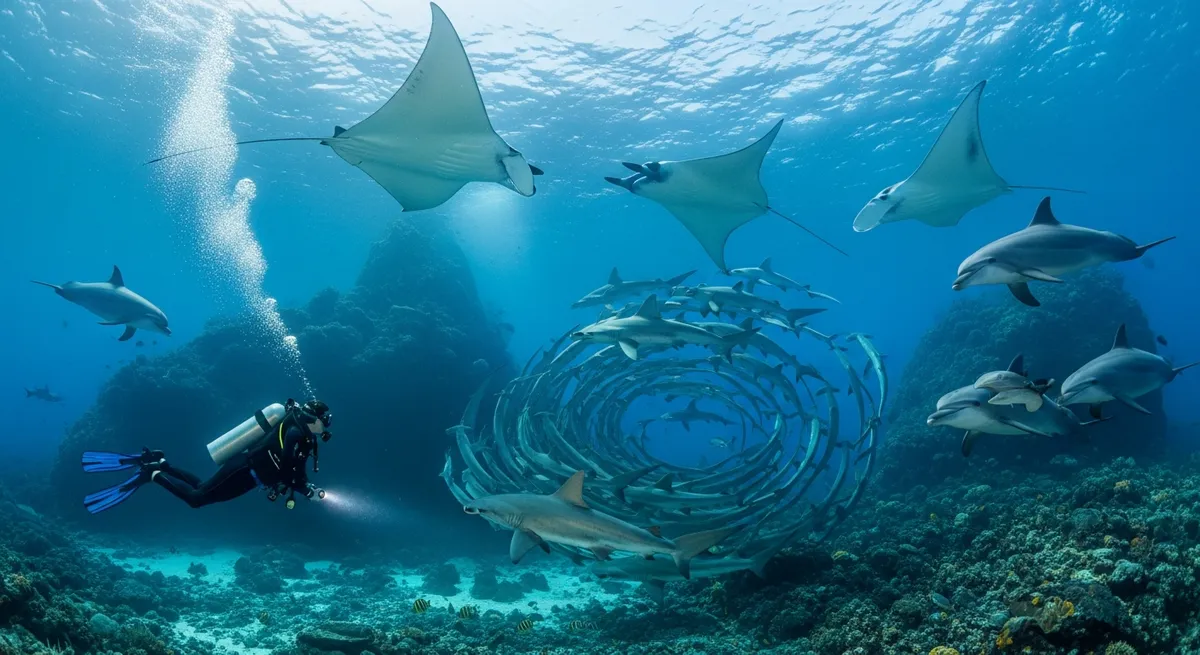
Remote Pacific seamounts with giant manta rays that actively seek diver interaction and seasonal humpback whale encounters.
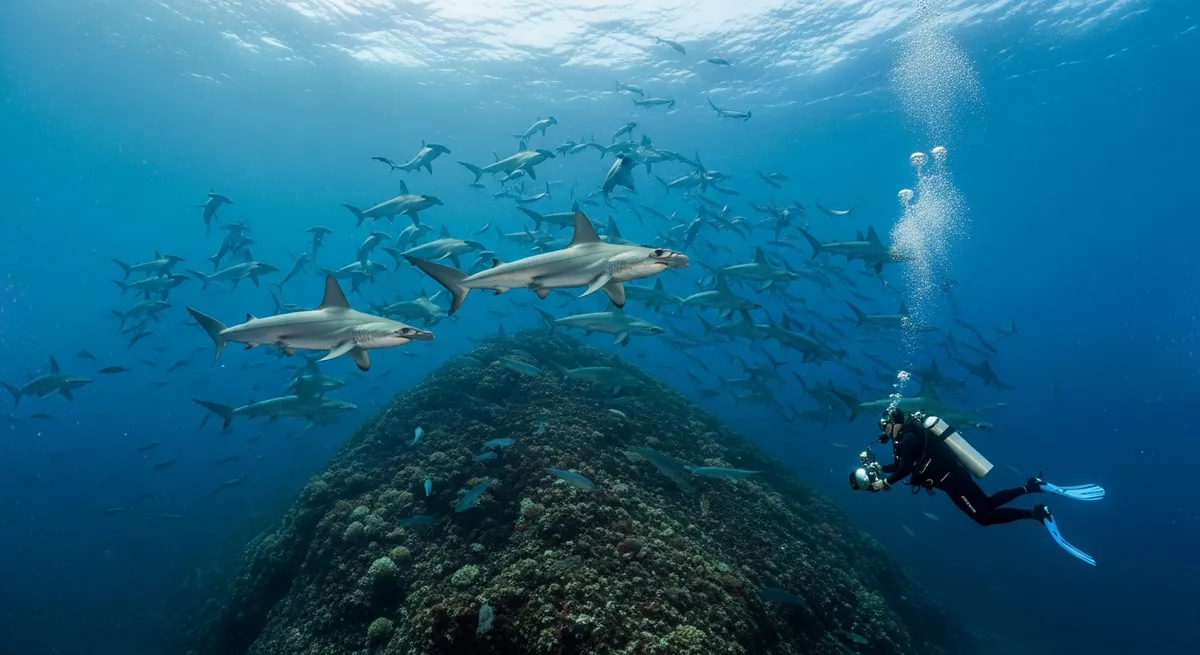
Cocos Island, Costa Rica
Costa Rica
Hammerhead highways, whale sharks, and untouched reefs at this remote Pacific island - Jacques Cousteau's favourite dive site.
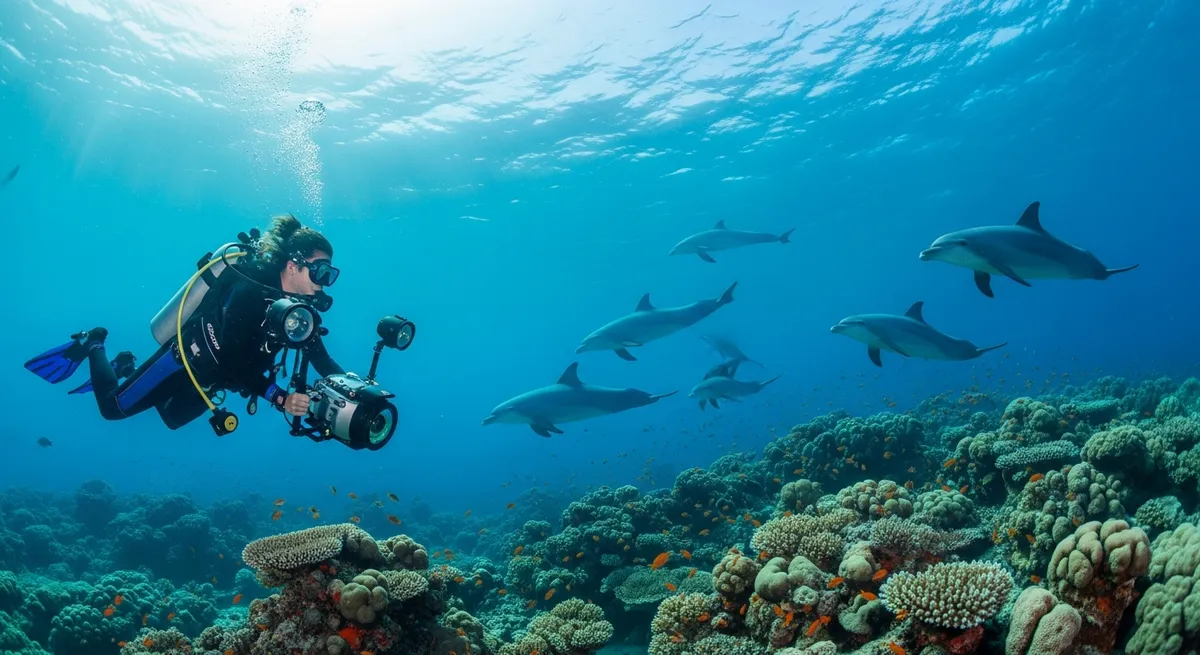

Pristine offshore reefs at Brothers and Daedalus with oceanic whitetip sharks, threshers, and spectacular soft coral walls.
Malpelo Island, Colombia
Colombia
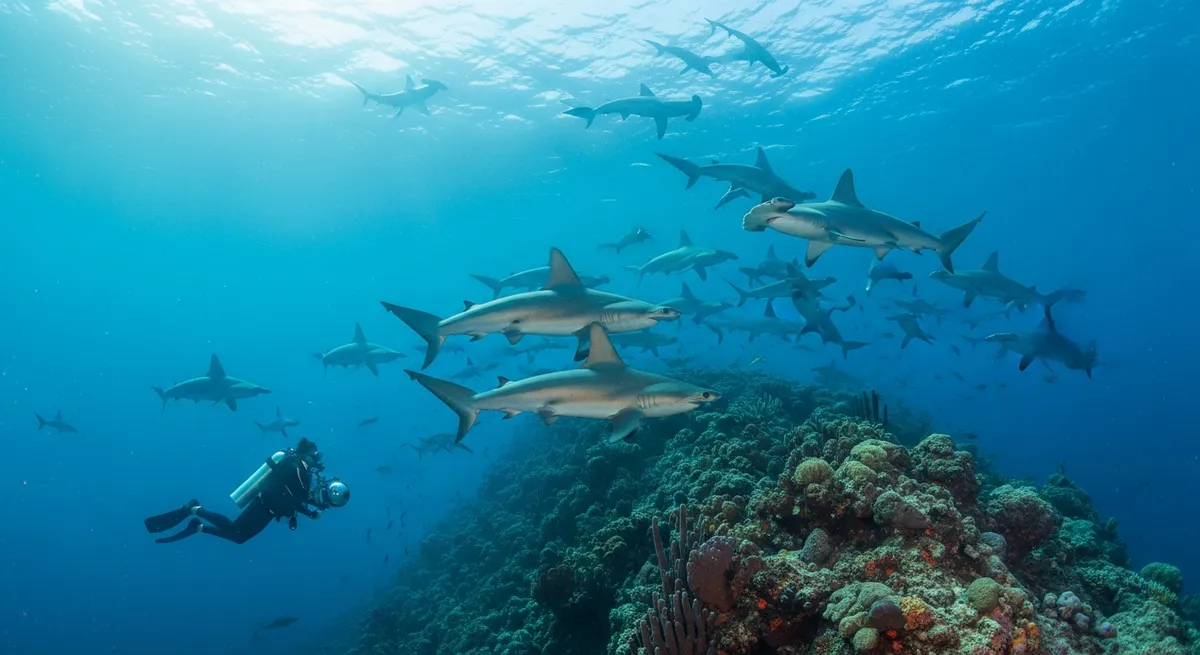
Schools of 200+ hammerheads, silky sharks in the hundreds, and one of the ocean's last truly wild places.
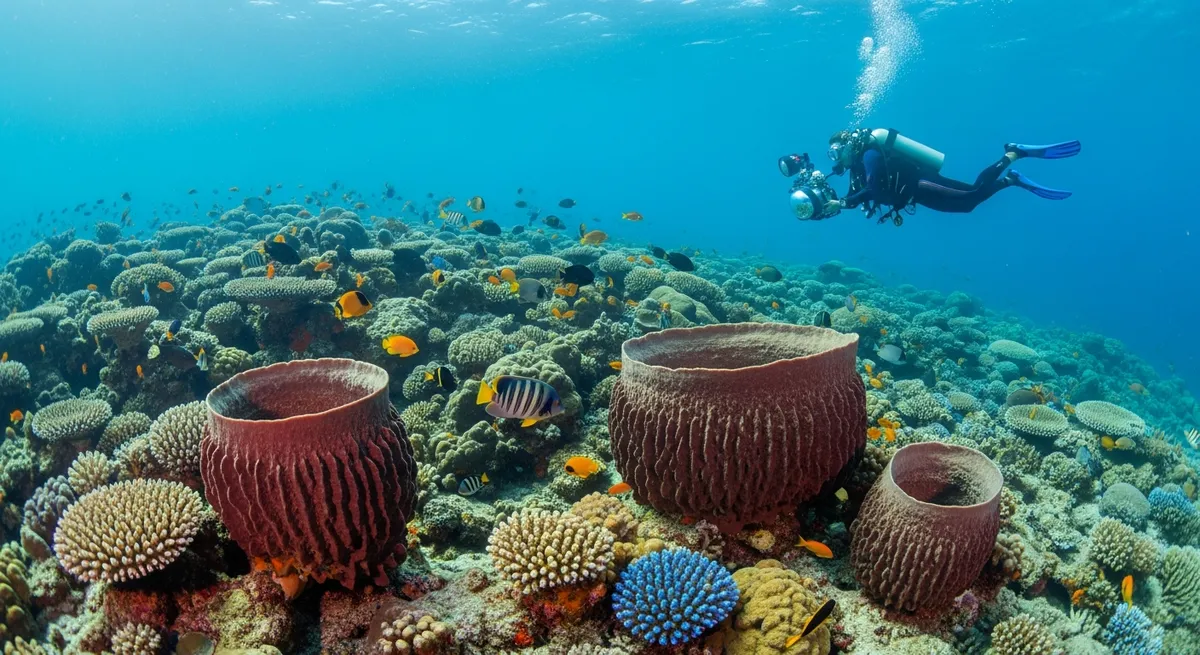
Cozumel offers divers an exceptional experience with its crystal-clear waters and iconic wall dives. Enjoy the thrill of effortless drift diving along pristine, healthy coral reefs, where vibrant marine life abounds. Its unique topography and serene currents make it a must-visit for any top dive collection.
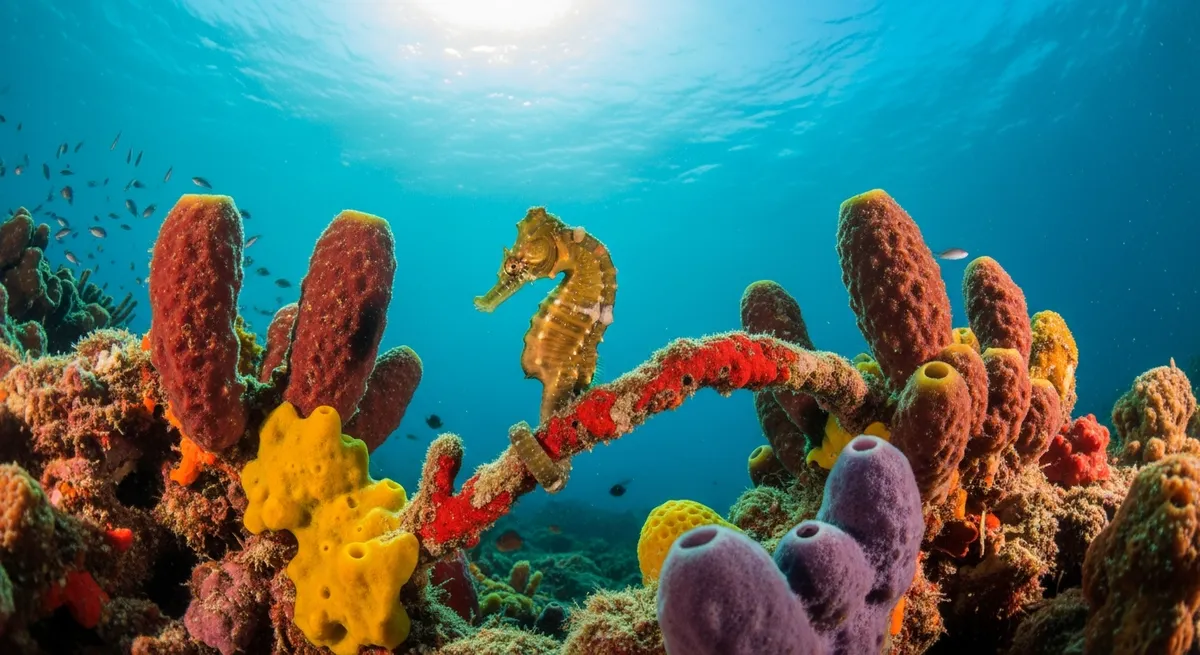

Bonaire's West Coast is a diver's dream, offering unparalleled shore access to a continuous fringing reef system. Its protected waters teem with an astonishing abundance of vibrant macro and reef fish, making every dive an effortlessly spectacular encounter with pristine coral gardens.
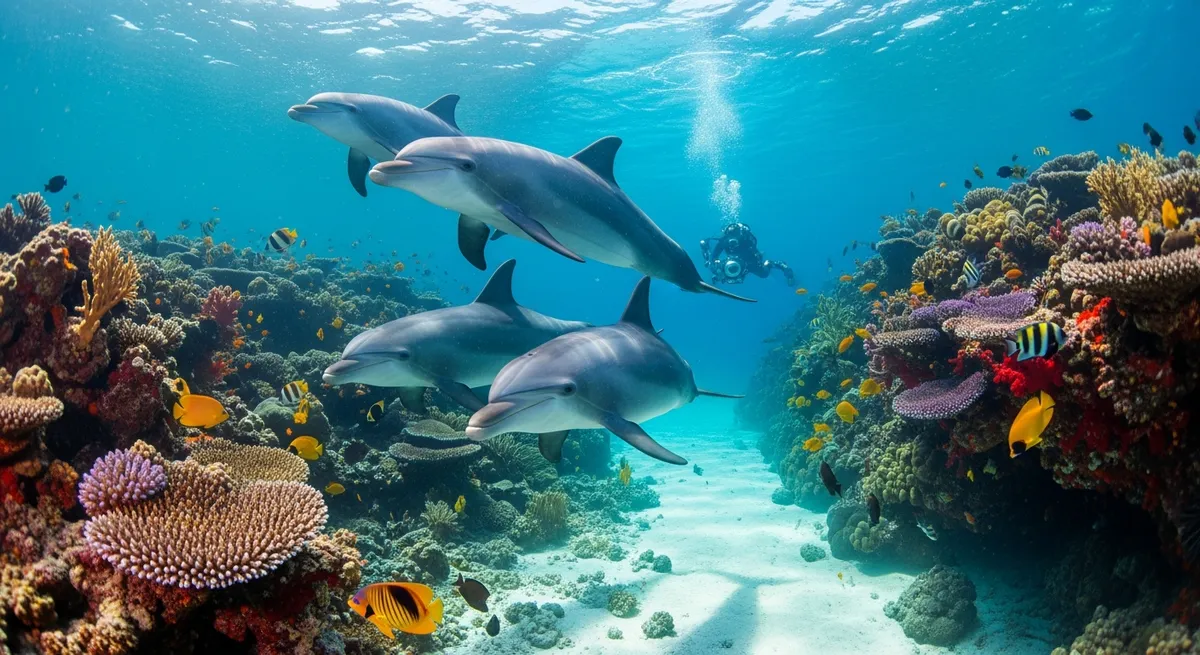
Rangiroa: Thrilling Drift Dives & Pelagic Spectacles
French Polynesia
Rangiroa offers unparalleled drift dives through its iconic passes, where the current brings an astonishing array of marine life. Prepare for consistent, exhilarating encounters with massive schools of sharks, playful dolphins, and a diverse range of pelagic fish. This consistent big animal action makes it an absolute must-dive for any serious diver seeking adrenaline and extraordinary underwater spectacles.
About This Collection
How We Ranked the World's Best Dive Sites
Ranking dive sites is inherently subjective, but certain locations appear consistently at the top of every credible list. Our methodology weighs marine biodiversity, visibility, the quality and frequency of pelagic encounters, reef health, and the overall "wow factor" reported by experienced divers. We also consider accessibility and infrastructure - a great dive site needs reliable dive operations to be safely and sustainably enjoyed.
The Common Thread
The sites that rise to the top share key characteristics: they sit at the confluence of ocean currents that concentrate nutrients and attract marine life; they are protected by distance, depth, or marine park status from the worst impacts of overfishing and development; and they offer encounters with large, charismatic marine animals that create indelible memories. Pristine coral reefs, massive schools of fish, and reliable megafauna sightings are the hallmarks of a world-class dive site.