Coral Anchors
Protected Area
Scotts Anchorage - White Bay (Cayman Brac)
Why dive here
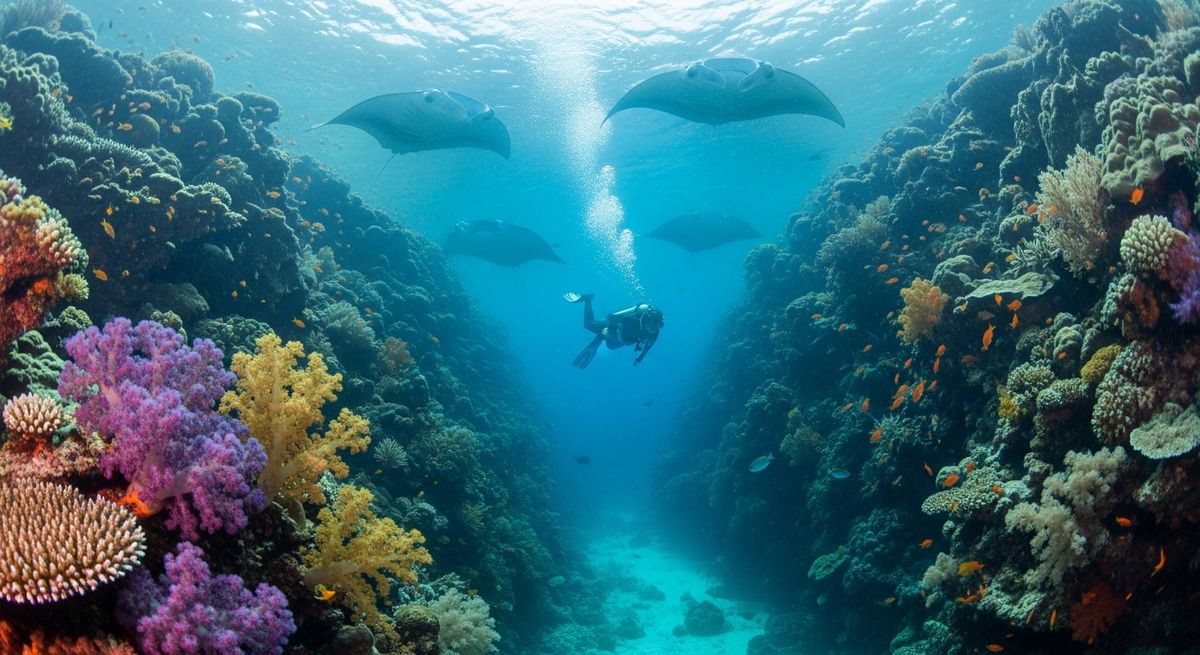
With 140+ marine species recorded in the area - including barracuda, orcas, sea turtles and pufferfish - Coral Anchors offers some of Cayman Brac's richest reef diving. Water ranges 27-31°C, warmest August, September, October.
Coral Anchors is one of those sites we always try to hit when we're in Brac. It’s a great easy dive, maxing out around 30m, and the name gives away the main attraction: two old anchors. One is right there at 24m, another slightly deeper at 27m, both half-buried in the reef, which gives them a real sense of history. What we really love about Coral Anchors, though, isn't just the iron. The reef here, a series of coral "knuckles" separated by stretches of sand, is incredibly pretty. You get some impressive colonies of Smooth Star Coral and massive starlets, especially when the light hits them just right – they almost shimmer. We've spent ages just watching the parrotfish, particularly the Dark Green ones, methodically munching away. It's also a fantastic spot for spotting smaller stuff. Keep your eyes peeled in the sand for stingrays, and we’ve even found a Sand Stargazer here a couple of times, which is always a treat. For a relaxed afternoon dive, maybe your last of the day, Coral Anchors is a reliable pick. It's a gentle drift if there’s any current, and it just always delivers a pleasant, unhurried experience.
Nearest Dive Centres to Coral Anchors
Dive shops near Coral Anchors
Reef Divers II - Cayman Brac
Scuba Shack
Reef Divers
Little Cayman Divers
Reviews for Coral Anchors
Conditions
Ocean conditions, forecast and tides for Coral Anchors
Coral Anchors Ocean Conditions
Monthly averages for Coral Anchors, sourced from Open-Meteo marine data + Copernicus Marine (EU) - nearest station: Open-Meteo marine grid (19.68, -79.9) (4km away)
October Averages
Sea Temperature
31°C
87°F · Range: 29.5–31.7°C
Current Speed
3.61 cm/s
Direction: SW (213.7°)
Chlorophyll-a
0.043 mg/m³
Very clear (oligotrophic)
Salinity
36.19 PSU
Based on 4 years of monitoring data · Data sources: Open-Meteo marine data + Copernicus Marine (EU)
Plan & book
Ways to dive Cayman Brac, from day trips to liveaboards.
Day trips & courses
via GetYourGuideGuided dives, courses and snorkel trips with instant booking.
Find dive trips in Cayman BracPlaces to stay
via Booking.comHotels and dive resorts near Cayman Brac.
Search stays in Cayman BracDive insurance
Most travel insurance excludes or limits scuba. Check what you need before you go.
Dive insurance explainedPartner links: we may earn a commission if you book, at no extra cost to you. How we make money
Where to Stay near Coral Anchors
Prices from Booking.com. We may earn a commission at no extra cost to you.