Fisheries
Protected Area
Cayman Brac East
Why dive here
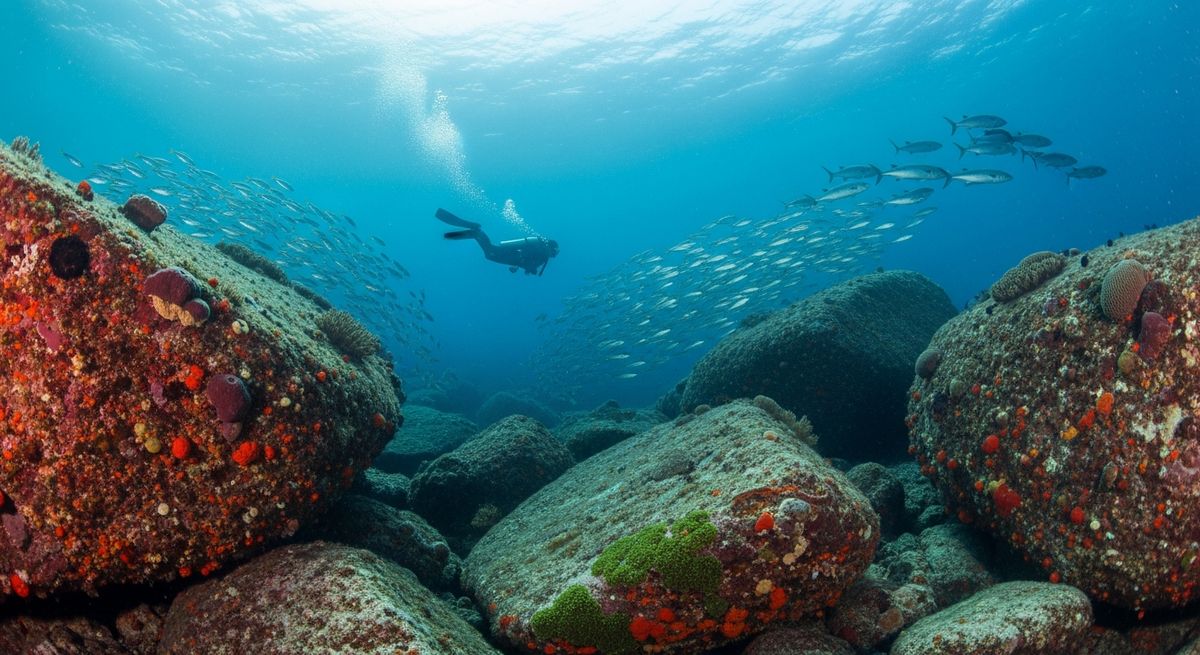
With 140+ marine species recorded in the area - including barracuda, orcas, sea turtles and pufferfish - Fisheries offers some of Cayman Brac's richest diving. Water ranges 27-31°C, warmest August, September, October.
Fisheries is one of those spots on Brac that just keeps giving, especially if you’re into the smaller, more elusive critters. We’ve always found it best to drop in and head west from the mooring, letting the mini wall guide you along. The reef crest, sitting around 9 metres, often has a gentle current pushing you, which makes for a nice drift. You’ll weave past sandy chutes, each one a potential hiding spot for a resting stingray, so keep an eye out there. The real showstopper here, though, is that big pillar coral. It’s a genuine landmark, reaching up from the 15-metre reef floor, absolutely covered in little blennies and sponges. We love to take our time here, circling it slowly, watching the Saddled Blennies dart in and out. This site is fantastic for macro photographers; we often spot Imitator Blennies and tiny Nodulose Miters tucked into crevices. While you’ll certainly see your share of Angelfish and Sharpnose Pufferfish, it’s the hunt for the Kwab or an Orangespotted Filefish that really makes Fisheries our pick. It’s a pretty mellow dive, generally good visibility, and perfect for anyone who enjoys a slower pace and wants to focus on the details.
Nearest Dive Centres to Fisheries
Dive shops near Fisheries
Reef Divers II - Cayman Brac
Scuba Shack
Reef Divers
Little Cayman Divers
Reviews for Fisheries
Conditions
Ocean conditions, forecast and tides for Fisheries
Fisheries Ocean Conditions
Monthly averages for Fisheries, sourced from Open-Meteo marine data + Copernicus Marine (EU) - nearest station: Open-Meteo marine grid (19.68, -79.9) (4km away)
October Averages
Sea Temperature
31°C
87°F · Range: 29.5–31.7°C
Current Speed
3.61 cm/s
Direction: SW (213.7°)
Chlorophyll-a
0.043 mg/m³
Very clear (oligotrophic)
Salinity
36.19 PSU
Based on 4 years of monitoring data · Data sources: Open-Meteo marine data + Copernicus Marine (EU)
Plan & book
Ways to dive Cayman Brac, from day trips to liveaboards.
Day trips & courses
via GetYourGuideGuided dives, courses and snorkel trips with instant booking.
Find dive trips in Cayman BracPlaces to stay
via Booking.comHotels and dive resorts near Cayman Brac.
Search stays in Cayman BracDive insurance
Most travel insurance excludes or limits scuba. Check what you need before you go.
Dive insurance explainedPartner links: we may earn a commission if you book, at no extra cost to you. How we make money
Where to Stay near Fisheries
Prices from Booking.com. We may earn a commission at no extra cost to you.