Caribbean Club Sand Chute
Protected Area
Victoria House- Treasure Island Resort (Grand Cayman)
Why dive here
With 327+ marine species recorded in the area - including barracuda, bull sharks, oceanic whitetip sharks, orcas and sea turtles - Caribbean Club Sand Chute offers some of Grand Cayman's richest muck diving. Water ranges 27-31°C, warmest August, September, October.
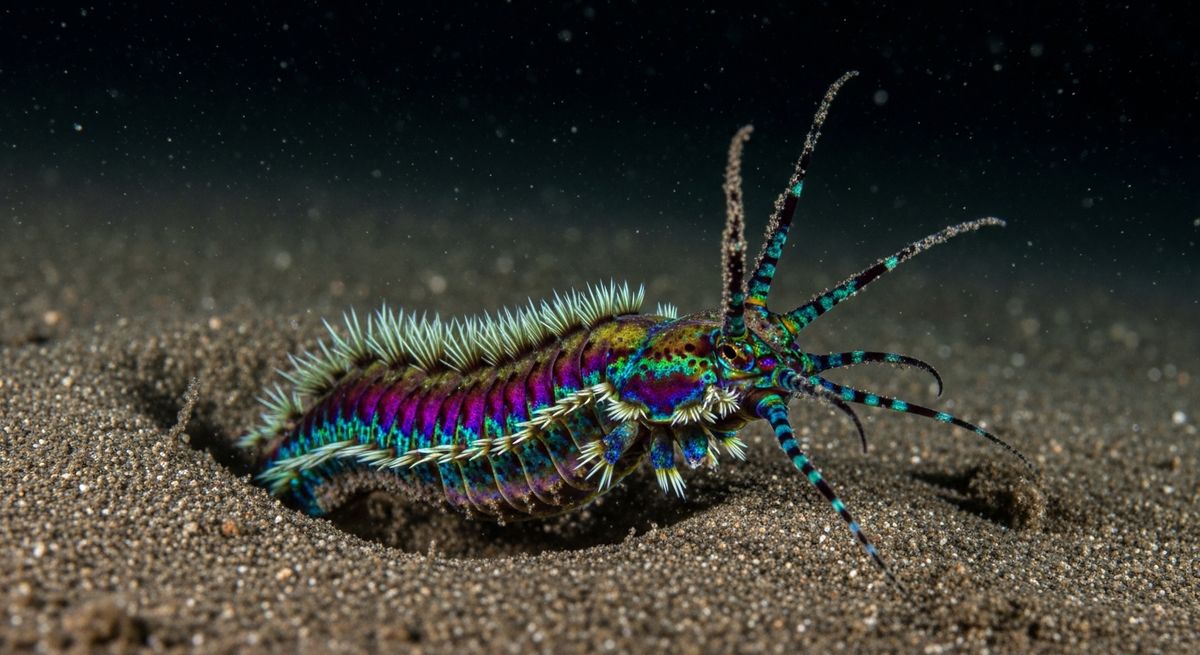
Caribbean Club Sand Chute might sound like a simple dive, but we think it’s one of Grand Cayman’s most underrated spots, especially for divers who appreciate the subtle beauty of sand habitats. Dropping in, you'll immediately notice the clear, sun-drenched sand chute, gently sloping down to around 25 metres. We love drifting along here, keeping an eye out for the local eagle rays that frequently glide past, often stirring up the bottom as they hunt. This is also prime territory for stingrays, and we’ve often seen them half-buried in the sand, just their eyes peeking out. While the finger corals closer to shore are pretty, the real draw here is the critter hunt on the sand itself. You can spend an entire dive just searching for the Goldspot Gobies or Mottled Flounder perfectly camouflaged against the bottom. Keep your eyes peeled for Mimic Blennies popping out of tiny holes, or the elusive Red Clingfish clinging to small rocks. It’s a photographer’s dream if you’re into macro, and the typically excellent visibility, often 24 metres, makes finding these smaller species much easier. It's a relaxed dive, usually with minimal current, perfect for an extended bottom time just exploring the sand.
Nearest Dive Centres to Caribbean Club Sand Chute
Dive shops near Caribbean Club Sand Chute
OCTOPUS
Living the Dream Divers
Divers Supply
Divers Down
Atlantis Dive Center
Don Foster's Dive Cayman, Ltd.
Reviews for Caribbean Club Sand Chute
Conditions
Ocean conditions, forecast and tides for Caribbean Club Sand Chute
Caribbean Club Sand Chute Ocean Conditions
Monthly averages for Caribbean Club Sand Chute, sourced from Open-Meteo marine data + Copernicus Marine (EU) - nearest station: Open-Meteo marine grid (19.38, -81.32) (5km away)
October Averages
Sea Temperature
30°C
87°F · Range: 29.1–31.8°C
Current Speed
4.47 cm/s
Direction: NW (296.6°)
Chlorophyll-a
0.045 mg/m³
Very clear (oligotrophic)
Salinity
36.14 PSU
Based on 4 years of monitoring data · Data sources: Open-Meteo marine data + Copernicus Marine (EU)
Plan & book
Ways to dive Grand Cayman, from day trips to liveaboards.
Day trips & courses
via GetYourGuideGuided dives, courses and snorkel trips with instant booking.
Find dive trips in Grand CaymanPlaces to stay
via Booking.comHotels and dive resorts near Grand Cayman.
Search stays in Grand CaymanDive insurance
Most travel insurance excludes or limits scuba. Check what you need before you go.
Dive insurance explainedPartner links: we may earn a commission if you book, at no extra cost to you. How we make money
Where to Stay near Caribbean Club Sand Chute
Prices from Booking.com. We may earn a commission at no extra cost to you.