Schoolhouse Reef
Protected Area
Bat Cave Beach
Why dive here
With 327+ marine species recorded in the area - including barracuda, bull sharks, oceanic whitetip sharks, orcas and sea turtles - Schoolhouse Reef offers some of Grand Cayman's richest reef diving. Water ranges 27-31°C, warmest August, September, October.
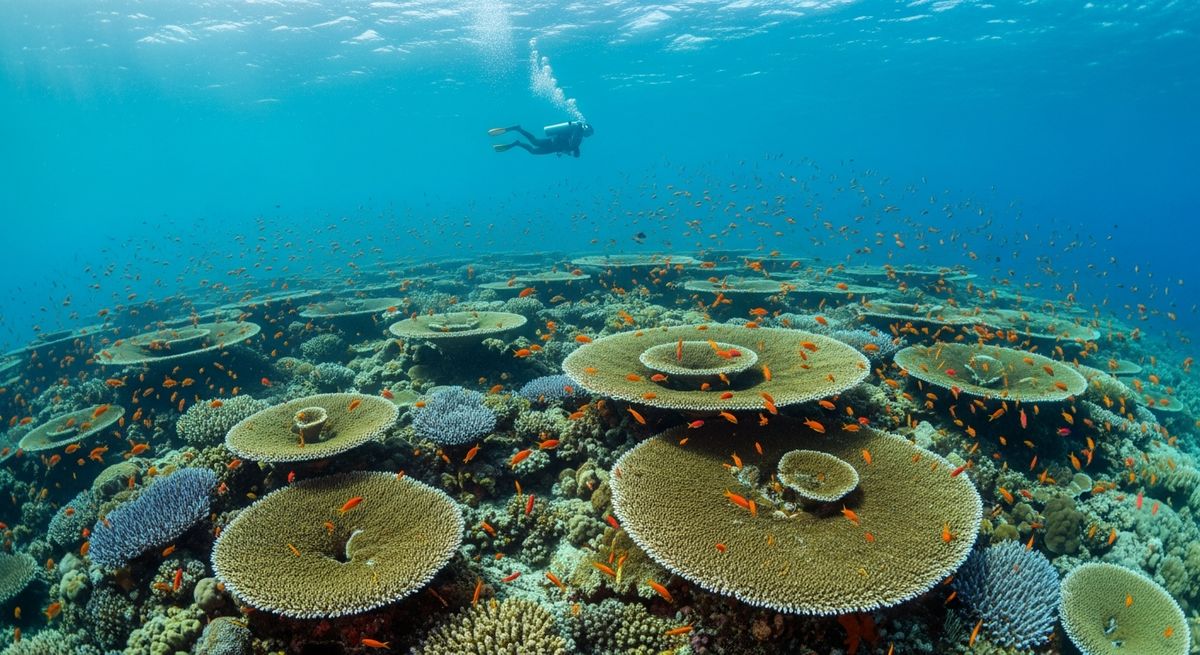
Schoolhouse Reef is one of those spots we always point to when someone asks about finding the little things. It’s shallow, topping out around 13 metres, which means plenty of bottom time to really settle in and search. We love it for its slow pace; the kind of dive where you spend five minutes watching a Mottled Jawfish tend its eggs in the sand, or a Shy Brotula peeking out from a coral head. The reef itself slopes gently into a mini wall, dropping into a wide sand channel. That transition zone, where the coral meets the open sand, is where we find a lot of the excitement. Keep your eyes peeled for American Crested Pipefish swaying in the seagrass, or a tiny Scaleless Goby scooting across the sand. We’ve had great luck spotting Blackfin Blennies here, along with the Lofty Triplefin, often perched right on the coral. It’s a site for the patient observer, the diver who truly enjoys exploring every nook and cranny.
Nearest Dive Centres to Schoolhouse Reef
Dive shops near Schoolhouse Reef
Silver Thatch Watersports
Atlantis Dive Center
Divers Down
Don Foster's Dive Cayman, Ltd.
SUNSET DIVERS
Ocean Frontiers
Reviews for Schoolhouse Reef
Conditions
Ocean conditions, forecast and tides for Schoolhouse Reef
Schoolhouse Reef Ocean Conditions
Monthly averages for Schoolhouse Reef, sourced from Open-Meteo marine data + Copernicus Marine (EU) - nearest station: Open-Meteo marine grid (19.38, -81.32) (5km away)
October Averages
Sea Temperature
30°C
87°F · Range: 29.1–31.8°C
Current Speed
4.47 cm/s
Direction: NW (296.6°)
Chlorophyll-a
0.045 mg/m³
Very clear (oligotrophic)
Salinity
36.14 PSU
Based on 4 years of monitoring data · Data sources: Open-Meteo marine data + Copernicus Marine (EU)
Plan & book
Ways to dive Grand Cayman, from day trips to liveaboards.
Day trips & courses
via GetYourGuideGuided dives, courses and snorkel trips with instant booking.
Find dive trips in Grand CaymanPlaces to stay
via Booking.comHotels and dive resorts near Grand Cayman.
Search stays in Grand CaymanDive insurance
Most travel insurance excludes or limits scuba. Check what you need before you go.
Dive insurance explainedPartner links: we may earn a commission if you book, at no extra cost to you. How we make money
Where to Stay near Schoolhouse Reef
Prices from Booking.com. We may earn a commission at no extra cost to you.