Spanish Bay Reef
Protected Area
Spanish Cove Resort - Jetty (Grand Cayman)
Why dive here
With 327+ marine species recorded in the area - including barracuda, bull sharks, oceanic whitetip sharks, orcas and sea turtles - Spanish Bay Reef offers some of Grand Cayman's richest wall diving. Water ranges 27-31°C, warmest August, September, October.
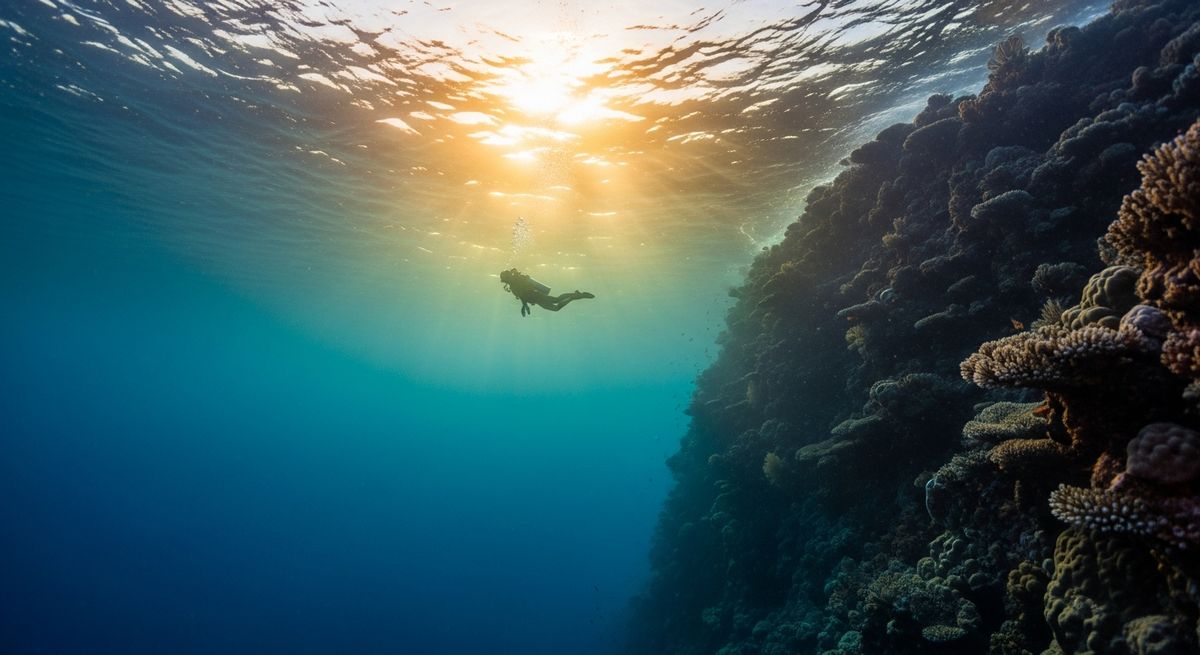
Spanish Bay Reef is a solid shore dive, the kind we gravitate towards when we just want to get wet without a boat trip. We always aim for high tide here; trust us, it makes a huge difference to the visibility, which can turn murky pretty quickly otherwise. The main draw is a mini-wall, running parallel to the shore, dropping down to about 20 meters. It's not a dramatic vertical descent, more of a gentle slope with plenty of nooks and crannies. What we love about Spanish Bay is the sheer density of the smaller stuff. We've spent entire dives just hovering, picking out critters like the Fine-cirrus Blenny and the Threeline Basslet. You'll find plenty of Grooved Brain Coral and Staghorn, and it’s a good spot to patiently observe Grey Snappers schooling. It’s perfect for a relaxed dive, especially if you enjoy exploring cracks for blennies and gobies rather than chasing big pelagics.
Nearest Dive Centres to Spanish Bay Reef
Dive shops near Spanish Bay Reef
Divetech
Indepth Watersports Ltd
Living the Dream Divers
OCTOPUS
Divers Supply
Divers Down
Reviews for Spanish Bay Reef
Conditions
Ocean conditions, forecast and tides for Spanish Bay Reef
Spanish Bay Reef Ocean Conditions
Monthly averages for Spanish Bay Reef, sourced from Open-Meteo marine data + Copernicus Marine (EU) - nearest station: Open-Meteo marine grid (19.38, -81.32) (5km away)
October Averages
Sea Temperature
30°C
87°F · Range: 29.1–31.8°C
Current Speed
4.47 cm/s
Direction: NW (296.6°)
Chlorophyll-a
0.045 mg/m³
Very clear (oligotrophic)
Salinity
36.14 PSU
Based on 4 years of monitoring data · Data sources: Open-Meteo marine data + Copernicus Marine (EU)
Plan & book
Ways to dive Grand Cayman, from day trips to liveaboards.
Day trips & courses
via GetYourGuideGuided dives, courses and snorkel trips with instant booking.
Find dive trips in Grand CaymanPlaces to stay
via Booking.comHotels and dive resorts near Grand Cayman.
Search stays in Grand CaymanDive insurance
Most travel insurance excludes or limits scuba. Check what you need before you go.
Dive insurance explainedPartner links: we may earn a commission if you book, at no extra cost to you. How we make money
Where to Stay near Spanish Bay Reef
Prices from Booking.com. We may earn a commission at no extra cost to you.