Wild Hammer
Protected Area
Bat Cave Beach
Why dive here
With 327+ marine species recorded in the area - including barracuda, bull sharks, oceanic whitetip sharks, orcas and sea turtles - Wild Hammer offers some of Grand Cayman's richest reef diving. Water ranges 27-31°C, warmest August, September, October.
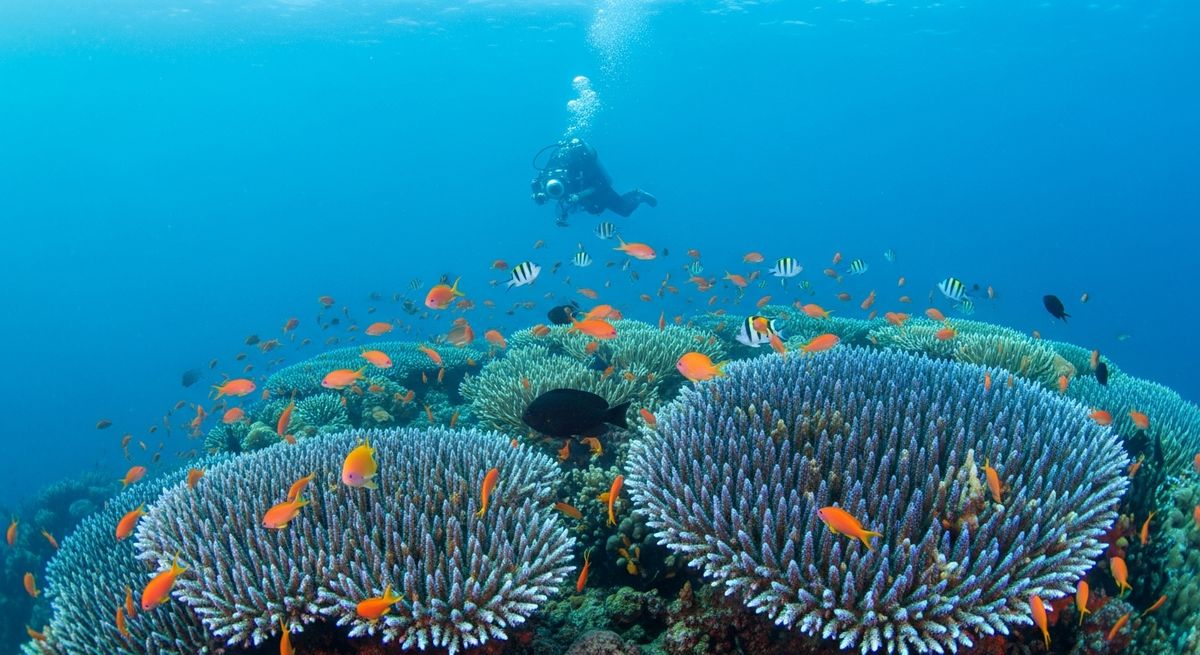
Wild Hammer, tucked between Wildlife Reef and Hammerhead Hole, is a site we return to often, especially when we're looking for an easy, rewarding afternoon dive. The topography here is a comfortable mix, dropping to a maximum of 17 metres, which means plenty of bottom time to explore. We love hunting for the smaller stuff – keep an eye out for Roughhead Triplefins perched on the coral, or a Mottled Jawfish peering from its burrow. While you might spot a cruising ray, our favourite aspect is the abundant schools of blue tangs and blue chromis, often so thick they shimmer like a curtain. Look closely among the Mustard Hill and Boulder Brain corals for Flamingo Tongues, or the subtle movement of a Spaghetti Eel. Visibility generally hovers around 22 metres, offering clear views of the busy reef life. This site is perfect for newer divers, or anyone who enjoys a relaxed exploration without strong currents, and it’s especially good for photographers wanting to practice their macro skills.
Nearest Dive Centres to Wild Hammer
Dive shops near Wild Hammer
Silver Thatch Watersports
Ocean Frontiers
Atlantis Dive Center
Don Foster's Dive Cayman, Ltd.
SUNSET DIVERS
Divers Down
Reviews for Wild Hammer
Conditions
Ocean conditions, forecast and tides for Wild Hammer
Wild Hammer Ocean Conditions
Monthly averages for Wild Hammer, sourced from Open-Meteo marine data + Copernicus Marine (EU) - nearest station: Open-Meteo marine grid (19.38, -81.32) (5km away)
October Averages
Sea Temperature
30°C
87°F · Range: 29.1–31.8°C
Current Speed
4.47 cm/s
Direction: NW (296.6°)
Chlorophyll-a
0.045 mg/m³
Very clear (oligotrophic)
Salinity
36.14 PSU
Based on 4 years of monitoring data · Data sources: Open-Meteo marine data + Copernicus Marine (EU)
Plan & book
Ways to dive Grand Cayman, from day trips to liveaboards.
Day trips & courses
via GetYourGuideGuided dives, courses and snorkel trips with instant booking.
Find dive trips in Grand CaymanPlaces to stay
via Booking.comHotels and dive resorts near Grand Cayman.
Search stays in Grand CaymanDive insurance
Most travel insurance excludes or limits scuba. Check what you need before you go.
Dive insurance explainedPartner links: we may earn a commission if you book, at no extra cost to you. How we make money
Where to Stay near Wild Hammer
Prices from Booking.com. We may earn a commission at no extra cost to you.