TANIA
Protected Area
Este del Archipiélago de los Colorados
Why dive here
With 109+ marine species recorded in the area - including blue sharks, oceanic whitetip sharks, sea turtles, sperm whales and manatees - TANIA offers some of María la Gorda's richest wreck diving. Water ranges 27-31°C, warmest July, August, September.
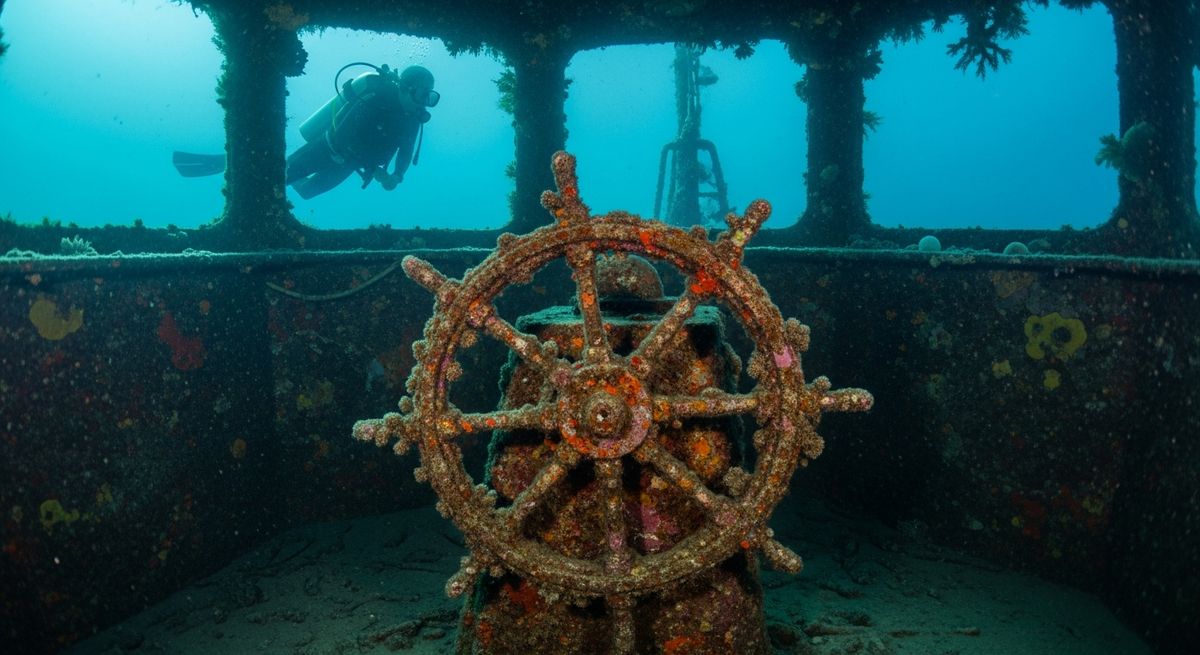
The Tania lies close to shore, a real bonus for divers at María la Gorda. This motor vessel, grounded back in '74, now sits in less than 10 meters of water, making it perfect for an easy dive or even a snorkel. We love how accessible it is. You can trace the outline of its 75-meter hull, still largely intact, with schools of grunts and snapper darting in and out of the skeletal remains of its superstructure. Look for the resident barracuda patrolling the deck, always a little spooky, but they generally just watch you pass. It’s a great spot to practice wreck penetration in benign conditions, or just cruise over a piece of history covered in sponges and small corals.
Typical TANIA Dive Profile
Illustrative profile based on site depth and type. Actual dive profiles vary - always follow your dive computer and training.
Safety Notes
Wreck site - avoid penetration without wreck diving certification. Watch for sharp metal and entanglement hazards.
Nearest Dive Centres to TANIA
Dive shops near TANIA
View all dive centres in María la GordaReviews for TANIA
Conditions
Ocean conditions, forecast and tides for TANIA
TANIA Ocean Conditions
Monthly averages for TANIA, sourced from NOAA NDBC + Copernicus Marine (EU) - nearest station: Yucatan Basin - 120 NM ESE of Cozumel, MX (228km away)
October Averages
Sea Temperature
30°C
86°F · Range: 28.7–32.3°C
Air Temperature
29°C
84°F
Current Speed
5 cm/s
Direction: NW (306.9°)
Chlorophyll-a
0.161 mg/m³
Clear water
Salinity
36.21 PSU
Wave Height
1.1m
6.7s period
Wind Speed
5.5 m/s
10.7 knots
Atmospheric Pressure
1010.7 hPa
Visibility
24.1 nmi
Based on 5 years of monitoring data · Data sources: NOAA NDBC + Copernicus Marine (EU)
Plan & book
Ways to dive María la Gorda, from day trips to liveaboards.
Day trips & courses
via GetYourGuideGuided dives, courses and snorkel trips with instant booking.
Find dive trips in María la GordaPlaces to stay
via Booking.comHotels and dive resorts near María la Gorda.
Search stays in María la GordaDive insurance
Most travel insurance excludes or limits scuba. Check what you need before you go.
Dive insurance explainedPartner links: we may earn a commission if you book, at no extra cost to you. How we make money
Where to Stay near TANIA
Prices from Booking.com. We may earn a commission at no extra cost to you.