Champagne
Protected Area
Soufriere/Scott's Head
Why dive here
With 266+ marine species recorded in the area - including barracuda, dolphins, dwarf minke whales, humpback whales and nurse sharks - Champagne offers some of Soufriere-Scotts Head Marine Reserve's richest reef diving. Water ranges 27-30°C, warmest August, September, October.
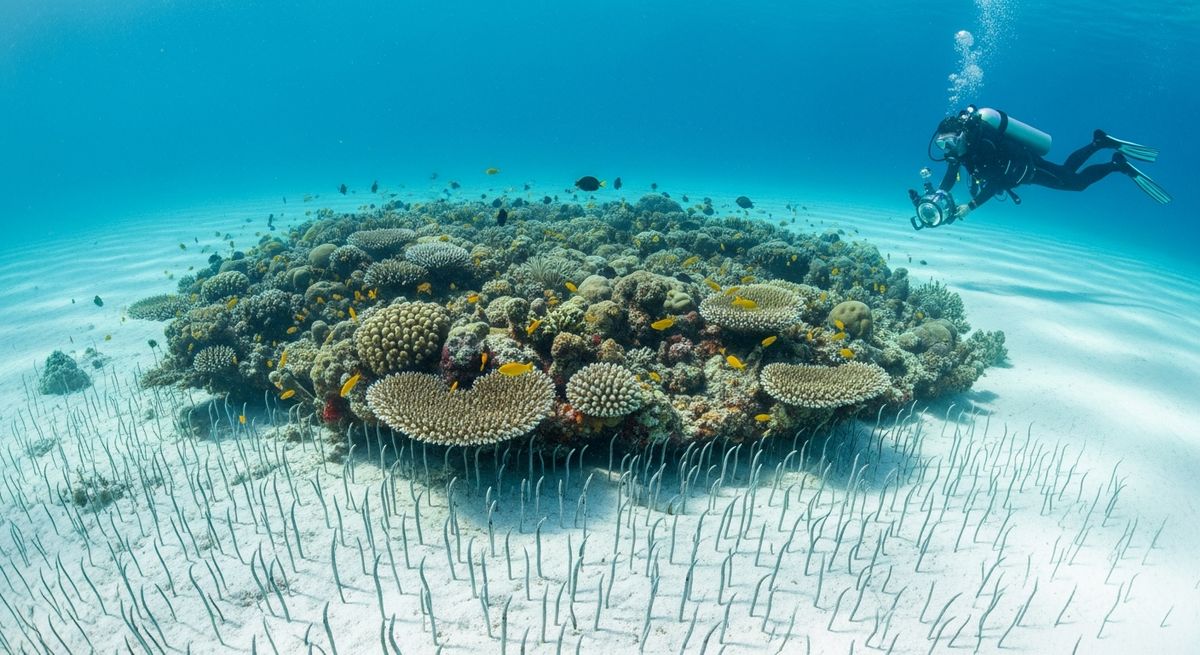
Champagne is an interesting spot, a little different from your usual Caribbean reef. The bubbles are definitely the draw, fizzing up from volcanic vents in the shallows around 5m. It's a surreal feeling, swimming through warm water that tickles like soda. Beyond the novelty, the reef itself has some decent pockets of coral, and if you head out onto the sand flats, we've had good luck finding things like flying gurnards and various nudibranchs. We’ve even spotted squid hanging in the shallows near the bubbles before. It's an easy dive, good for a relaxed afternoon, and the bubbles make for a rather pleasant safety stop.
Typical Champagne Dive Profile
Illustrative profile based on site depth and type. Actual dive profiles vary - always follow your dive computer and training.
Nearest Dive Centres to Champagne
Dive shops near Champagne
View all dive centres in Soufriere-Scotts Head Marine ReserveReviews for Champagne
Conditions
Ocean conditions, forecast and tides for Champagne
Champagne Ocean Conditions
Monthly averages for Champagne, sourced from Open-Meteo marine data - nearest station: Open-Meteo marine grid (15.32, -61.39) (1km away)
October Averages
Sea Temperature
30°C
86°F · Range: 28.9–31.1°C
Air Temperature
27°C
81°F
Wind Speed
5.54 m/s
10.8 knots
Atmospheric Pressure
1013.2 hPa
Based on 4 years of monitoring data · Data sources: Open-Meteo marine data
Plan & book
Ways to dive Soufriere-Scotts Head Marine Reserve, from day trips to liveaboards.
Day trips & courses
via GetYourGuideGuided dives, courses and snorkel trips with instant booking.
Find dive trips in Soufriere-Scotts Head Marine ReservePlaces to stay
via Booking.comHotels and dive resorts near Soufriere-Scotts Head Marine Reserve.
Search stays in Soufriere-Scotts Head Marine ReserveDive insurance
Most travel insurance excludes or limits scuba. Check what you need before you go.
Dive insurance explainedPartner links: we may earn a commission if you book, at no extra cost to you. How we make money
Where to Stay near Champagne
Prices from Booking.com. We may earn a commission at no extra cost to you.