Missing Link
Protected Area
Soufriere/Scott's Head
Why dive here
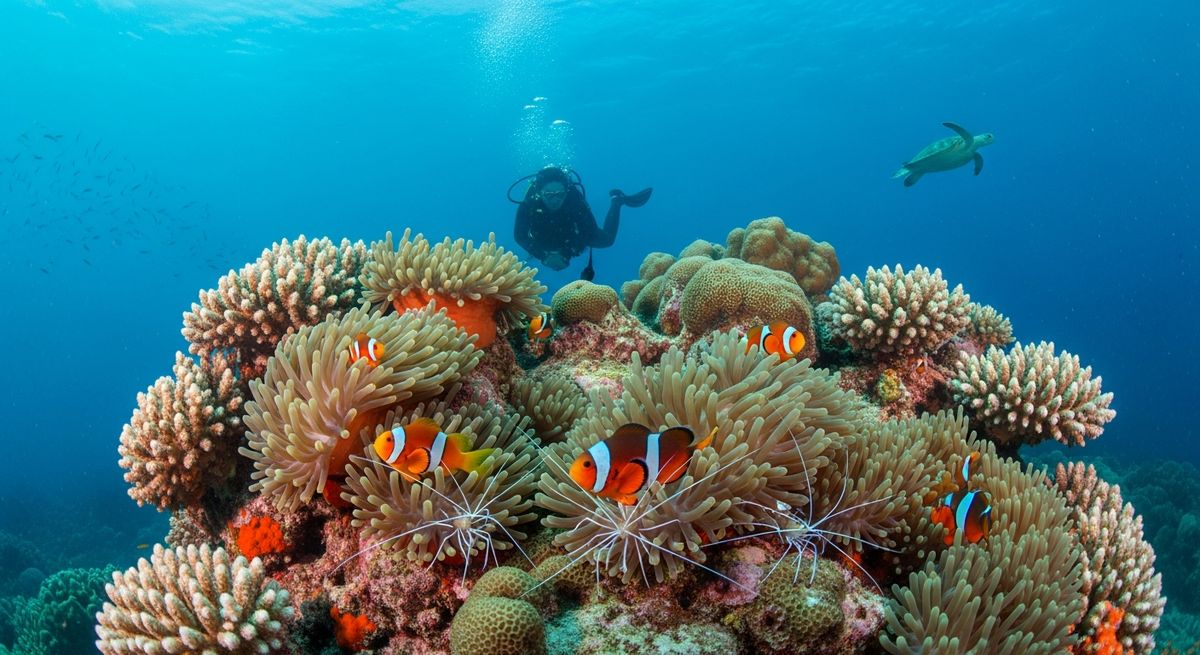
With 266+ marine species recorded in the area - including barracuda, dolphins, dwarf minke whales, humpback whales and nurse sharks - Missing Link offers some of Soufriere-Scotts Head Marine Reserve's richest reef diving. Water ranges 27-30°C, warmest August, September, October.
The Missing Link in Dominica’s Soufriere-Scotts Head Marine Reserve sits, quite literally, between Scotts Head Pinnacle and the Drop Off. It’s a good spot, one we often suggest for a solid, varied dive. We usually drift along the wall, letting the current do the work. You’ll find things like Sawcheek Cardinalfish tucked into crevices and, if you keep an eye on the blue, you might catch a glimpse of a dolphin species – we’ve seen Bridled Dolphins out here before. It's a manageable 20m max, and we often find Candy Basslets and Yellowhead Jawfish hanging out on the shelf. Visibility hovers around 23m, so you get a clear look. It’s a nice pick if you’re after a relaxed drift with chances for both small stuff and a bit of open-water action.
Typical Missing Link Dive Profile
Illustrative profile based on site depth and type. Actual dive profiles vary - always follow your dive computer and training.
Nearest Dive Centres to Missing Link
Dive shops near Missing Link
View all dive centres in Soufriere-Scotts Head Marine ReserveReviews for Missing Link
Conditions
Ocean conditions, forecast and tides for Missing Link
Missing Link Ocean Conditions
Monthly averages for Missing Link, sourced from Open-Meteo marine data - nearest station: Open-Meteo marine grid (15.32, -61.39) (1km away)
October Averages
Sea Temperature
30°C
86°F · Range: 28.9–31.1°C
Air Temperature
27°C
81°F
Wind Speed
5.54 m/s
10.8 knots
Atmospheric Pressure
1013.2 hPa
Based on 4 years of monitoring data · Data sources: Open-Meteo marine data
Plan & book
Ways to dive Soufriere-Scotts Head Marine Reserve, from day trips to liveaboards.
Day trips & courses
via GetYourGuideGuided dives, courses and snorkel trips with instant booking.
Find dive trips in Soufriere-Scotts Head Marine ReservePlaces to stay
via Booking.comHotels and dive resorts near Soufriere-Scotts Head Marine Reserve.
Search stays in Soufriere-Scotts Head Marine ReserveDive insurance
Most travel insurance excludes or limits scuba. Check what you need before you go.
Dive insurance explainedPartner links: we may earn a commission if you book, at no extra cost to you. How we make money
Where to Stay near Missing Link
Prices from Booking.com. We may earn a commission at no extra cost to you.