Hildur (Wreck)
Protected Area
Molinier-Beausejour
Why dive here
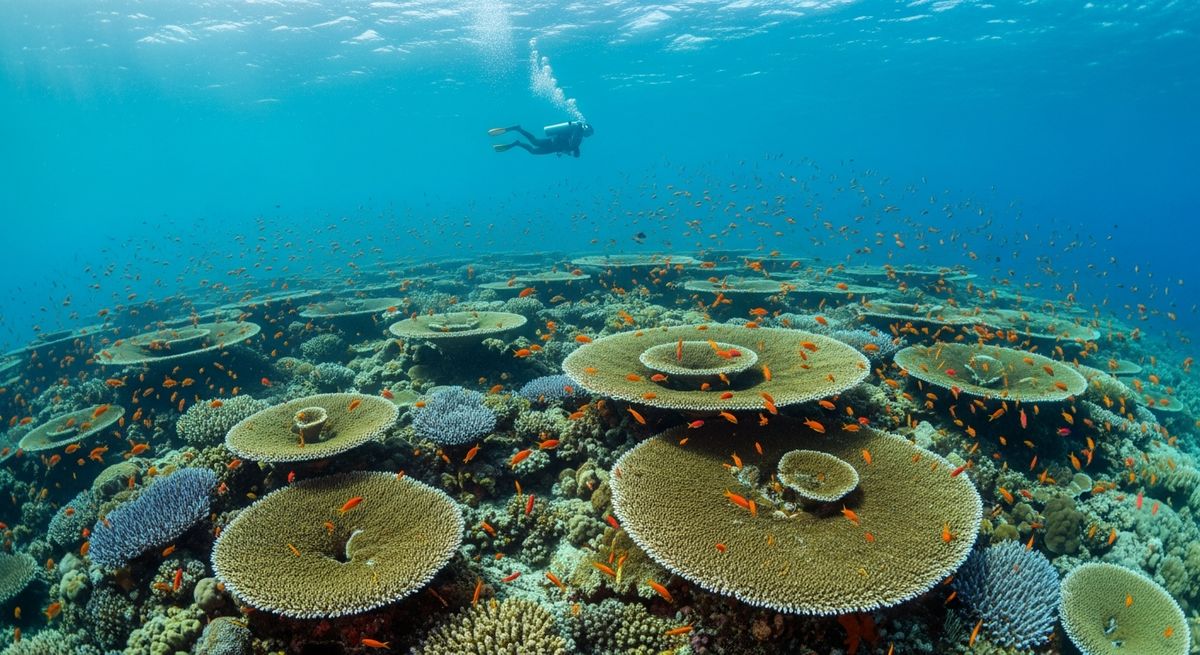
With 263+ marine species recorded in the area - including barracuda, humpback whales, nurse sharks, orcas and sea turtles - Hildur (Wreck) offers some of Southwest Coast's richest reef diving. Water ranges 27-30°C, warmest August, September, October.
The Hildur is one of our favourite wreck dives on Grenada’s southwest coast, a proper dive into a proper ship. Sunk intentionally in 2007, she’s settled upright at 32 metres, just off the Grand Mal wall. We love the feeling of swimming over her deck, seeing the structure emerge from the blue. What makes Hildur a standout is her character and the deep-water life she’s attracted. You’ll find enormous black coral trees clinging to the hull, swaying gently in the current – a beautiful contrast to the ship’s steel. Exploring the cargo holds is a real highlight; just be mindful of the silt inside. You’ll kick it up easily. We’ve often seen large barracuda circling the mast, and the resident schoolmasters are usually out in force. Look closely for shy brotulas tucked into crevices and trumpetfish camouflaged against the metal. It’s a dive that rewards slow exploration, perfect for those who appreciate wrecks with a bit of history and a lot of developing reef.
Nearest Dive Centres to Hildur (Wreck)
Dive shops near Hildur (Wreck)
Sandals La Source
Dive Grenada
Scuba West Indies
Aquanauts Grenada
Reviews for Hildur (Wreck)
Conditions
Ocean conditions, forecast and tides for Hildur (Wreck)
Hildur (Wreck) Ocean Conditions
Monthly averages for Hildur (Wreck), sourced from Open-Meteo marine data - nearest station: Open-Meteo marine grid (12.03, -61.78) (0km away)
October Averages
Sea Temperature
30°C
86°F · Range: 29–31.7°C
Air Temperature
28°C
82°F
Wind Speed
5.61 m/s
10.9 knots
Atmospheric Pressure
1011.8 hPa
Based on 4 years of monitoring data · Data sources: Open-Meteo marine data
Plan & book
Ways to dive Southwest Coast, from day trips to liveaboards.
Day trips & courses
via GetYourGuideGuided dives, courses and snorkel trips with instant booking.
Find dive trips in Southwest CoastPlaces to stay
via Booking.comHotels and dive resorts near Southwest Coast.
Search stays in Southwest CoastDive insurance
Most travel insurance excludes or limits scuba. Check what you need before you go.
Dive insurance explainedPartner links: we may earn a commission if you book, at no extra cost to you. How we make money
Where to Stay near Hildur (Wreck)
Prices from Booking.com. We may earn a commission at no extra cost to you.