Northern Exposure
Protected Area
Grand Anse
Why dive here
With 263+ marine species recorded in the area - including barracuda, humpback whales, nurse sharks, orcas and sea turtles - Northern Exposure offers some of Southwest Coast's richest wreck diving. Water ranges 27-30°C, warmest August, September, October.
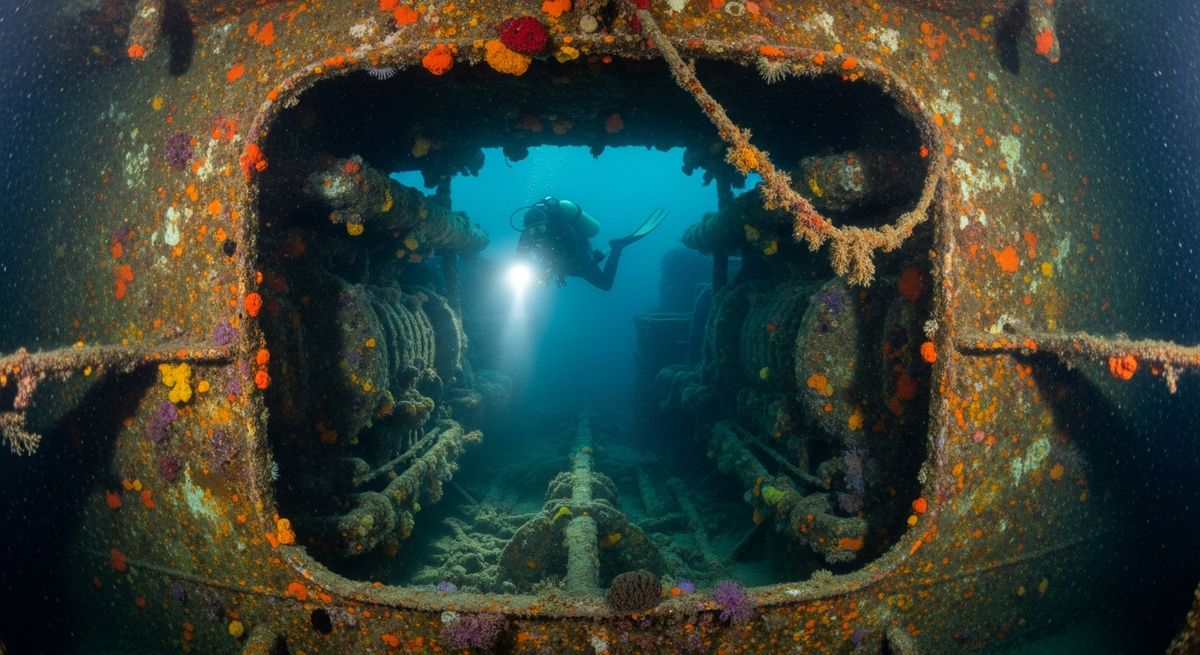
Northern Exposure, nestled on Grenada’s Southwest Coast, often gets overshadowed by the island’s wreck dives, but we think that’s a real shame. This is where you come when you want proper reef time, a chance to slow down and really look. The site is part of the Bass Reef system, with distinct coral fingers reaching down to 18 metres, then rising to a shallower top at around 8 metres. That varied depth profile means you’ve got options – you can spend a whole dive exploring the deeper channels for bigger fish like jacks and barracuda cruising the edge, or you can stick to the sunlit upper reef, where the macro life truly shines. Our favourite way to dive Northern Exposure is to meander slowly along the shallower sections. The visibility averages 15 metres, which is decent, but sometimes when the current picks up a bit, it can drop, bringing in nutrients that the smaller critters love. We’ve had some cracking dives here spotting the tiny, secretive Opossum Pipefish tucked into crevices and patiently waiting for a Sand Stargazer to poke its head out. The juvenile drums and cowfish are particularly adorable in the early months of the year, darting in and out of the coral. We also regularly see reef scorpionfish blending perfectly with the reef texture, so keep those eyes peeled. If you’re a photographer, especially a macro enthusiast, this site is a genuine treat. It's a relaxed dive, suitable for all experience levels, but rewarding for those who take the time to really observe.
Typical Northern Exposure Dive Profile
Illustrative profile based on site depth and type. Actual dive profiles vary - always follow your dive computer and training.
Safety Notes
Wreck site - avoid penetration without wreck diving certification. Watch for sharp metal and entanglement hazards.
Nearest Dive Centres to Northern Exposure
Dive shops near Northern Exposure
Dive Grenada
Sandals La Source
Aquanauts Grenada
Scuba West Indies
Reviews for Northern Exposure
Conditions
Ocean conditions, forecast and tides for Northern Exposure
Northern Exposure Ocean Conditions
Monthly averages for Northern Exposure, sourced from Open-Meteo marine data - nearest station: Open-Meteo marine grid (12.03, -61.78) (0km away)
October Averages
Sea Temperature
30°C
86°F · Range: 29–31.7°C
Air Temperature
28°C
82°F
Wind Speed
5.61 m/s
10.9 knots
Atmospheric Pressure
1011.8 hPa
Based on 4 years of monitoring data · Data sources: Open-Meteo marine data
Plan & book
Ways to dive Southwest Coast, from day trips to liveaboards.
Day trips & courses
via GetYourGuideGuided dives, courses and snorkel trips with instant booking.
Find dive trips in Southwest CoastPlaces to stay
via Booking.comHotels and dive resorts near Southwest Coast.
Search stays in Southwest CoastDive insurance
Most travel insurance excludes or limits scuba. Check what you need before you go.
Dive insurance explainedPartner links: we may earn a commission if you book, at no extra cost to you. How we make money
Where to Stay near Northern Exposure
Prices from Booking.com. We may earn a commission at no extra cost to you.