Quarantine Point
Protected Area
Grand Anse
Why dive here
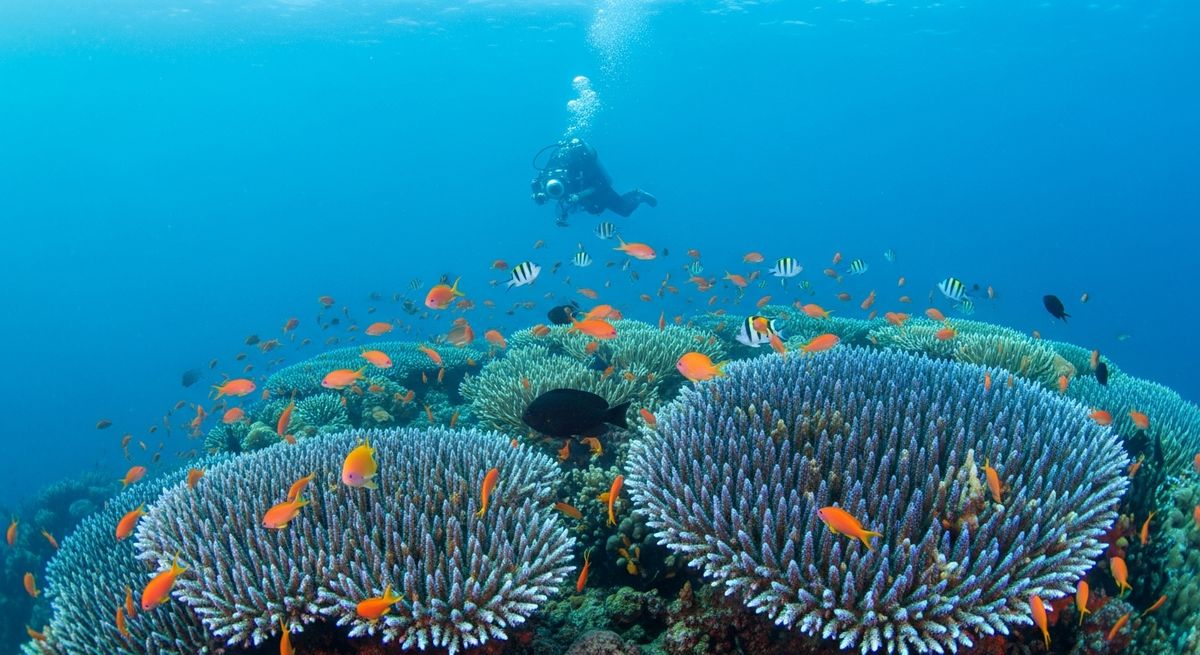
With 263+ marine species recorded in the area - including barracuda, humpback whales, nurse sharks, orcas and sea turtles - Quarantine Point offers some of Southwest Coast's richest reef diving. Water ranges 27-30°C, warmest August, September, October.
Quarantine Point, tucked along Grenada’s southwest coast, is a proper chill dive, often overlooked for the flashier wrecks. We love it for exactly that reason – it's unhurried, a real chance to slow down and scour the reef. It’s essentially a series of coral tongues interspersed with sandy bays, topping out around 14 metres and dropping to 17. Our favourite part has to be those sand patches; they’re brilliant for bottom dwellers. We've seen flounders burrowed in, and if you’re patient, the odd barracuda ghosting past. The coral sections are thick with sea plumes and Porites, and we’d suggest keeping an eye out for seahorses here. They seem to favour these areas. We’ve also spotted loads of puffcheek blennies, those little characters with their inflated cheeks, and the mottled conger moray, which is always a treat. On a good day, the visibility averages 16 metres. It’s a site that rewards a slow pace, making it perfect for photographers or anyone who just wants to drift and really observe the smaller stuff. This isn't a site for ripping currents or big pelagics, it's for the quiet beauty of a healthy Caribbean reef.
Nearest Dive Centres to Quarantine Point
Dive shops near Quarantine Point
Dive Grenada
Aquanauts Grenada
Scuba West Indies
Sandals La Source
Reviews for Quarantine Point
Conditions
Ocean conditions, forecast and tides for Quarantine Point
Quarantine Point Ocean Conditions
Monthly averages for Quarantine Point, sourced from Open-Meteo marine data - nearest station: Open-Meteo marine grid (12.03, -61.78) (0km away)
October Averages
Sea Temperature
30°C
86°F · Range: 29–31.7°C
Air Temperature
28°C
82°F
Wind Speed
5.61 m/s
10.9 knots
Atmospheric Pressure
1011.8 hPa
Based on 4 years of monitoring data · Data sources: Open-Meteo marine data
Plan & book
Ways to dive Southwest Coast, from day trips to liveaboards.
Day trips & courses
via GetYourGuideGuided dives, courses and snorkel trips with instant booking.
Find dive trips in Southwest CoastPlaces to stay
via Booking.comHotels and dive resorts near Southwest Coast.
Search stays in Southwest CoastDive insurance
Most travel insurance excludes or limits scuba. Check what you need before you go.
Dive insurance explainedPartner links: we may earn a commission if you book, at no extra cost to you. How we make money
Where to Stay near Quarantine Point
Prices from Booking.com. We may earn a commission at no extra cost to you.