Faro
Protected Area
Coiba
Why dive here
With 351+ marine species recorded in the area - including barracuda, bull sharks, dolphins, eagle rays and giant moray eels - Faro offers some of Coiba National Park's richest reef diving. Water ranges 28-30°C, warmest March, April, May.
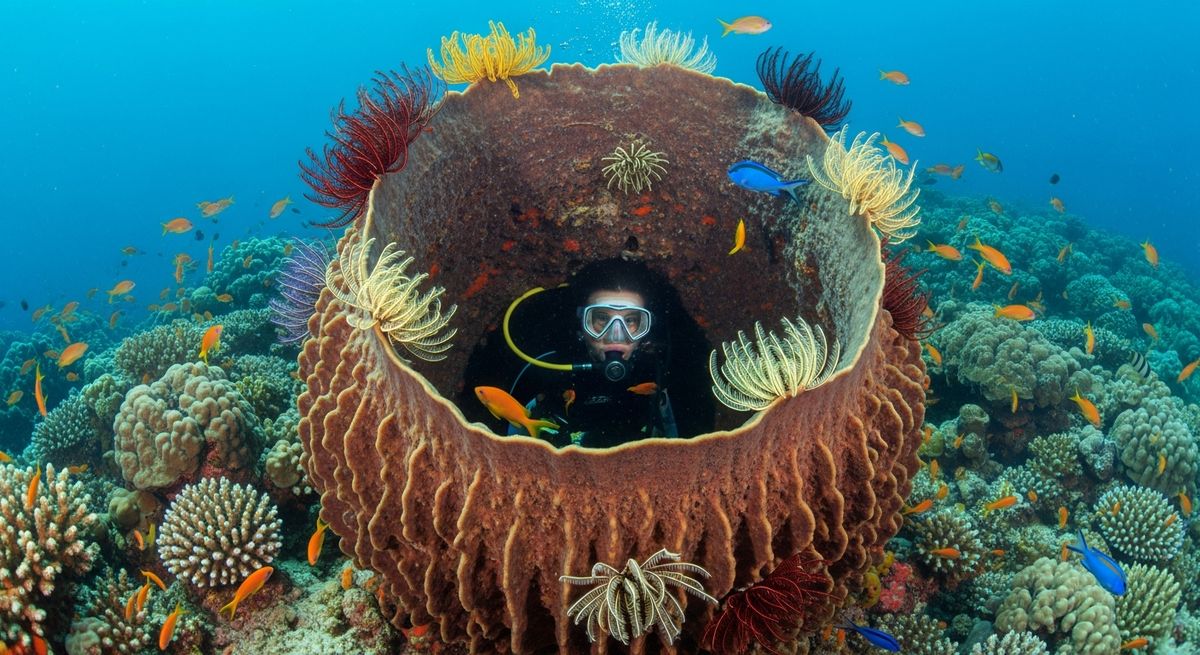
Faro, in Coiba National Park, is one of those sites that always delivers. We love the options it gives you – shallower stretches at the ends for an easier entry, then a fantastic reef that just keeps going down to around 20 metres. Maximum 20m, but sometimes you can sneak a little deeper if the current is playing nice. Visibility averages around 14m, which is plenty for soaking in the action. What makes Faro special? The sheer volume of fish. Expect large schools of big eye jacks, sometimes so thick they dim the light, and groups of Pacific dog snappers patrolling the reef. Barracudas often cruise by for a closer look, just checking you out. Keep an eye peeled for nurse sharks tucked under ledges; we’ve had some cracking encounters here. It’s also a good spot for the macro stuff if you slow down – a scorpionfish blending perfectly, an octopus peeking out, or even a seahorse if you’ve got a sharp eye. We’d say it suits divers who enjoy a dynamic reef with plenty of pelagic action, but also appreciate the details.
Nearest Dive Centres to Faro
Dive shops near Faro
View all dive centres in Coiba National ParkReviews for Faro
Conditions
Ocean conditions, forecast and tides for Faro
Faro Ocean Conditions
Monthly averages for Faro, sourced from Open-Meteo marine data - nearest station: Open-Meteo marine grid (7.8, -81.59) (17km away)
October Averages
Sea Temperature
29°C
84°F · Range: 27.5–30.6°C
Air Temperature
25°C
78°F
Wind Speed
3.51 m/s
6.8 knots
Atmospheric Pressure
1011 hPa
Based on 4 years of monitoring data · Data sources: Open-Meteo marine data
Plan & book
Ways to dive Coiba National Park, from day trips to liveaboards.
Day trips & courses
via GetYourGuideGuided dives, courses and snorkel trips with instant booking.
Find dive trips in Coiba National ParkPlaces to stay
via Booking.comHotels and dive resorts near Coiba National Park.
Search stays in Coiba National ParkDive insurance
Most travel insurance excludes or limits scuba. Check what you need before you go.
Dive insurance explainedPartner links: we may earn a commission if you book, at no extra cost to you. How we make money
Where to Stay near Faro
Prices from Booking.com. We may earn a commission at no extra cost to you.