Rakiraki
Protected Area
Vanua Rakiraki, Ra
Why dive here
With 382+ marine species recorded in the area - including blue sharks, eagle rays, giant moray eels, humpback whales and sperm whales - Rakiraki offers some of Kadavu & Great Astrolabe Reef's richest wall diving.
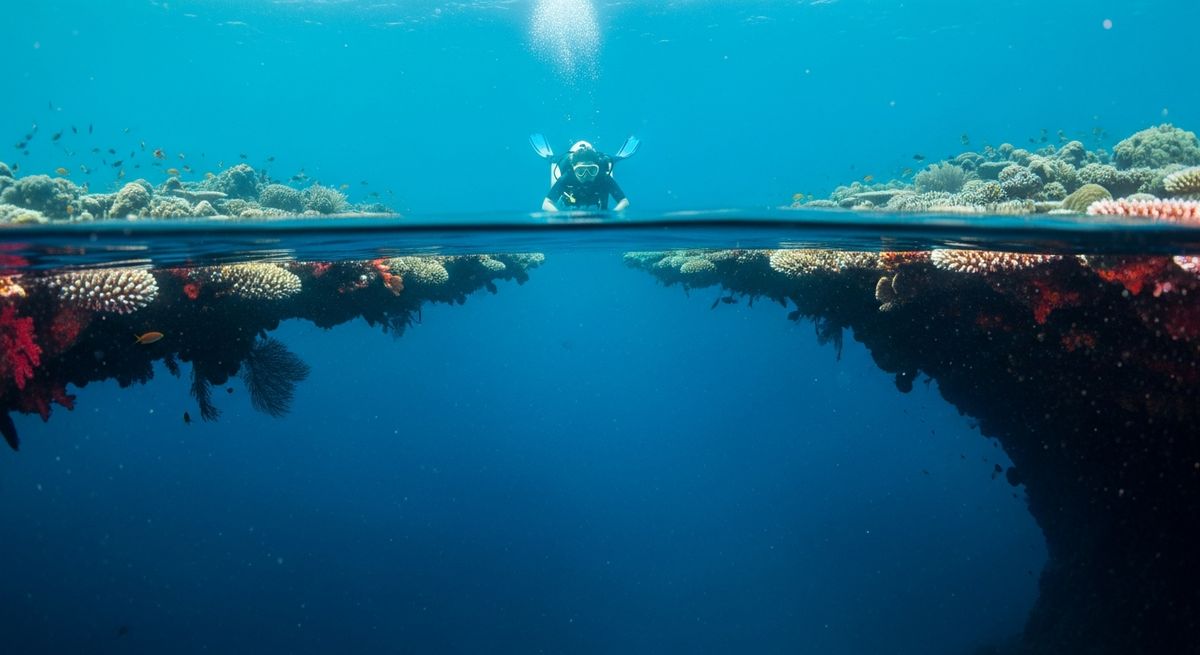
Rakiraki sits on the outer edge of Kadavu's reef system, a place where the water really stretches out into the deep. We’ve had some cracking drifts here, just letting the current carry us past walls draped in those enormous sea fans and bright soft corals. You’ll definitely spot reef sharks patrolling the drop-offs, and it’s a good bet for seeing a turtle or two cruising by. It’s a site that suits divers who appreciate a good drift and the feeling of being somewhere a bit wilder, away from the usual boat traffic.
Typical Rakiraki Dive Profile
Illustrative profile based on site depth and type. Actual dive profiles vary - always follow your dive computer and training.
Safety Notes
Always perform a 3-minute safety stop at 5m before surfacing.
Nearest Dive Centres to Rakiraki
Dive shops near Rakiraki
View all dive centres in Kadavu & Great Astrolabe ReefReviews for Rakiraki
Conditions
Ocean conditions, forecast and tides for Rakiraki
Plan & book
Ways to dive Kadavu & Great Astrolabe Reef, from day trips to liveaboards.
Day trips & courses
via GetYourGuideGuided dives, courses and snorkel trips with instant booking.
Find dive trips in Kadavu & Great Astrolabe ReefPlaces to stay
via Booking.comHotels and dive resorts near Kadavu & Great Astrolabe Reef.
Search stays in Kadavu & Great Astrolabe ReefDive insurance
Most travel insurance excludes or limits scuba. Check what you need before you go.
Dive insurance explainedPartner links: we may earn a commission if you book, at no extra cost to you. How we make money
Where to Stay near Rakiraki
Prices from Booking.com. We may earn a commission at no extra cost to you.