Mwanyaza
Protected Area
Diani Chale Marine
Why dive here
With 408+ marine species recorded in the area - including barracuda, blacktip reef sharks, giant moray eels, humpback whales and octopuses - Mwanyaza offers some of Diani Beach & South Coast's richest drift diving. Water ranges 26-30°C, warmest March, April, December.
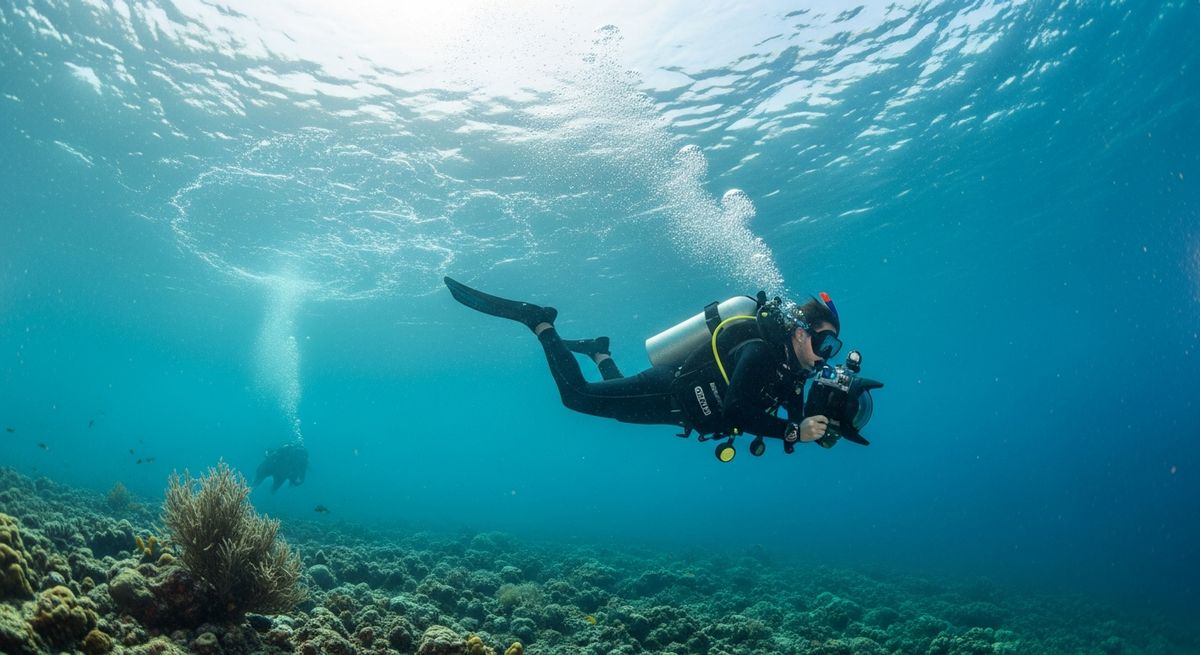
Mwanyaza is a drift diver's dream, plain and simple. We love how the mild current just carries you along, letting you really soak in the reef without kicking your fins off. It’s an easy run, shallow at a max of 16 meters, so you get plenty of bottom time to appreciate the sheer volume of fish here. Think schools of snapper so thick they shimmer like a silver wall, and fusiliers that flow over the coral like a river of scales. We've found the visibility here averages a decent 15 meters, often better early in the morning before any surface chop picks up. Keep an eye out for the smaller stuff too; we often spot Oriental flying gurnards fanning their incredible fins on the sandy patches, and a surprising number of cowries tucked into the coral. It’s a site that rewards a slow drift, perfect for anyone who loves to just glide and watch the ocean put on a show.
Safety Notes
Drift dive - carry a surface marker buoy (SMB) and stay with your group. Brief the current direction before entry.
Nearest Dive Centres to Mwanyaza
Dive shops near Mwanyaza
The Scuba Duka
Yellow Fins Dive Center
Diving The Crab
Ocean Tribe
Diving Center
ReefoDivers Diani
Reviews for Mwanyaza
Conditions
Ocean conditions, forecast and tides for Mwanyaza
Mwanyaza Ocean Conditions
Monthly averages for Mwanyaza, sourced from Open-Meteo marine data - nearest station: Open-Meteo marine grid (-4.27, 39.61) (1km away)
October Averages
Sea Temperature
27°C
81°F · Range: 25.3–28.7°C
Air Temperature
26°C
79°F
Wind Speed
5.22 m/s
10.1 knots
Atmospheric Pressure
1013.7 hPa
Based on 4 years of monitoring data · Data sources: Open-Meteo marine data
Plan & book
Ways to dive Diani Beach & South Coast, from day trips to liveaboards.
Day trips & courses
via GetYourGuideGuided dives, courses and snorkel trips with instant booking.
Find dive trips in Diani Beach & South CoastPlaces to stay
via Booking.comHotels and dive resorts near Diani Beach & South Coast.
Search stays in Diani Beach & South CoastDive insurance
Most travel insurance excludes or limits scuba. Check what you need before you go.
Dive insurance explainedPartner links: we may earn a commission if you book, at no extra cost to you. How we make money
Where to Stay near Mwanyaza
Prices from Booking.com. We may earn a commission at no extra cost to you.