OCEAN SEARCHER
Protected Area
Tramore Back Strand SPA
Why dive here
With 185+ marine species recorded in the area - including blue sharks, dolphins, dwarf minke whales, humpback whales and ocean sunfish (mola mola) - OCEAN SEARCHER offers some of South Coast's richest wreck diving. Water ranges 9-15°C, warmest July, August, September.
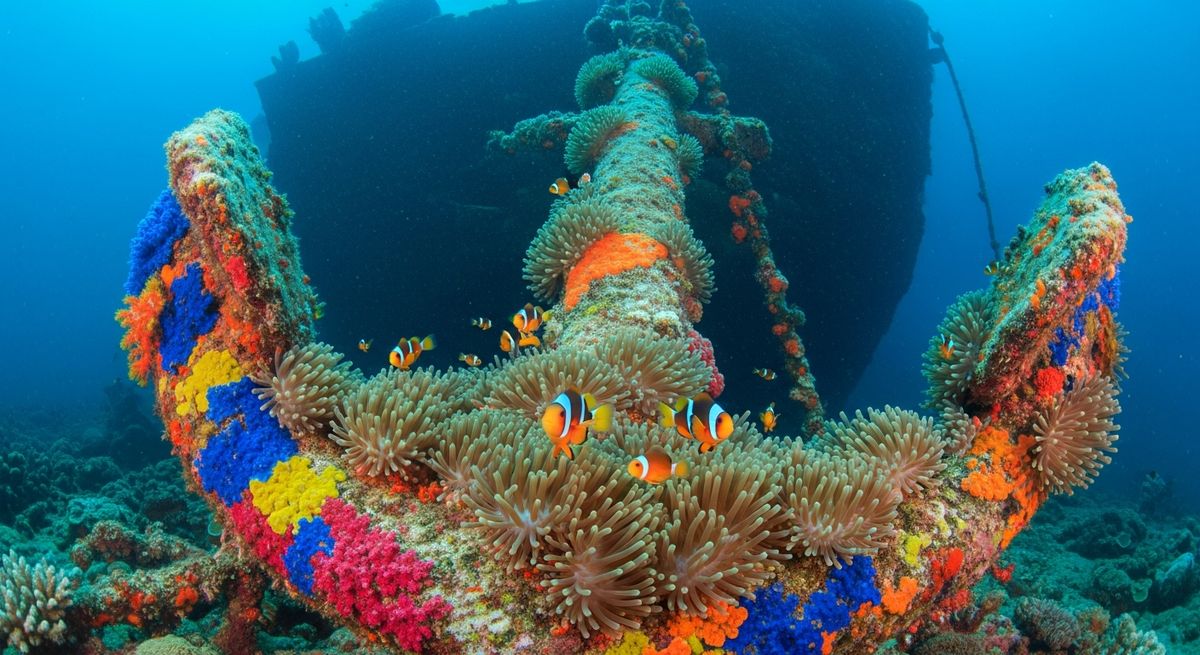
The *Ocean Searcher* isn't a deep dive, which is part of its charm. This old trawler, just 26 metres long, went down in a gale in 1975 and ended up on Tramore Strand. We love that it’s right there, accessible, a great option when the weather kicks up and forces us off the deeper stuff. When the tide is right, you're looking at a shallow dive, sometimes only a few metres. The wreck itself is broken, twisted metal, a testament to the storm that put it there. You can still make out the bow, the stern, and parts of the wheelhouse structure, now heavily encrusted. The light penetration is excellent, so colours pop, particularly the vivid greens of the kelp and anemones that cling to every surface. We've seen some surprisingly large pollack sheltering in the ribs of the hull, and schools of juvenile coalfish darting through the wreckage. It’s a site that changes with the seasons and the shifting sands. We’d suggest a dive at high slack tide for the calmest conditions, giving you more time to pick through the debris and imagine the trawler in its working life. It's a dive that tells a story, perfect for those who appreciate maritime history and don't mind a bit of a rumble with the surge.
Safety Notes
Wreck site - avoid penetration without wreck diving certification. Watch for sharp metal and entanglement hazards.
Cold water this month (avg 14°C). Drysuit or thick wetsuit (7mm+) recommended.
Reviews for OCEAN SEARCHER
Conditions
Ocean conditions, forecast and tides for OCEAN SEARCHER
OCEAN SEARCHER Ocean Conditions
Monthly averages for OCEAN SEARCHER, sourced from Open-Meteo marine data - nearest station: Open-Meteo marine grid (51.71, -8.38) (9km away)
October Averages
Sea Temperature
14°C
57°F · Range: 12.3–14.8°C
Air Temperature
12°C
54°F
Wind Speed
7.84 m/s
15.2 knots
Atmospheric Pressure
1008.6 hPa
Based on 4 years of monitoring data · Data sources: Open-Meteo marine data
Plan & book
Ways to dive South Coast, from day trips to liveaboards.
Day trips & courses
via GetYourGuideGuided dives, courses and snorkel trips with instant booking.
Find dive trips in South CoastPlaces to stay
via Booking.comHotels and dive resorts near South Coast.
Search stays in South CoastDive insurance
Most travel insurance excludes or limits scuba. Check what you need before you go.
Dive insurance explainedPartner links: we may earn a commission if you book, at no extra cost to you. How we make money
Where to Stay near OCEAN SEARCHER
Prices from Booking.com. We may earn a commission at no extra cost to you.