
Diving in Spain
Why dive here
Spain offers rich diving, with 253+ marine species recorded in its waters - including blue sharks, dolphins, mobula rays (devil rays), ocean sunfish (mola mola) and octopuses. Water ranges 15-24°C, warmest July, August, September.
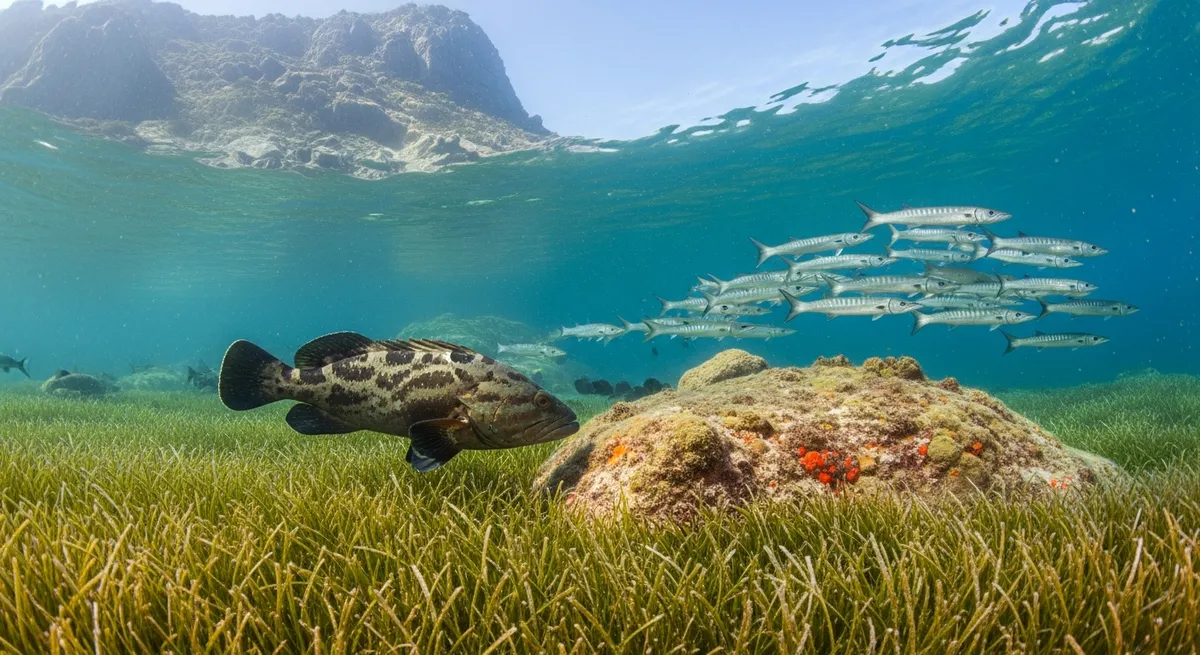
Spain is a sprawling country, and its diving is just as varied, pulling from both the warm Mediterranean and the wilder Atlantic. If you’re looking for big volcanic topography and a good chance of seeing angel sharks, we'd point you towards the Canary Islands, particularly El Hierro, which always feels a bit like stepping back in time. For classic Mediterranean diving, the marine reserves around the Medes Islands and Cabo de Palos deliver, with big schools of barracuda and often some seriously chunky groupers finning through the Posidonia meadows. We’ve found the summer months offer the most settled conditions, but places like the Canaries are reliable year-round. Don't overlook the chance to spot a stout bobtail squid or a painted comber; they’re often the quiet stars of a Spanish dive.
Spain Dive Regions Map
Spain Dive Regions
7 diving areas in Spain
Balearic Islands
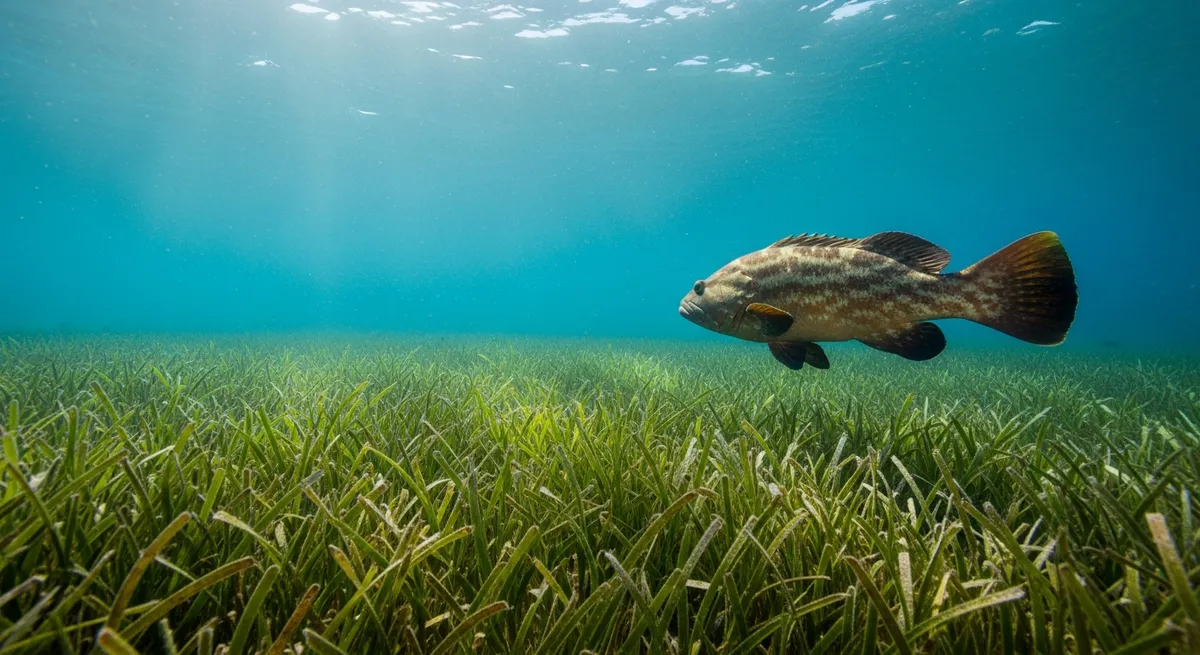
Diving the Balearics always feels like coming home, if your home had sea caves and more groupers than people. We love the feeling of slipping into that warm Med water, especially around Mallorca where the light shafts into the cavern systems are just incredible. Forget the crowded beaches; underwater, it's a different world. On a good day, the visibility stretches for ages, making those posidonia meadows around Formentera feel endless. We’ve drifted over them, spotting elegant cuttlefish playing hide-and-seek, and we always get a kick out of seeing the painted combers darting in and out of the rocky reefs. Our favourite time to visit is late September. The summer crowds have thinned out, but the water's still lovely and warm. That's when we've had our best luck finding intermediate bobtail squid tucked away, or spotting a brown skate gliding over the sand. You might even catch a glimpse of a fork-beard if you know where to look in some of the deeper spots. Currents can pick up, especially around the exposed points, so always check with the local centres. They’re usually a friendly bunch and will point you to the best conditions for the day. While it isn't the red-sea kaleidoscope, the distinct Mediterranean vibe, with its ancient wrecks and the subtle beauty of the marine life, really gets under your skin.
Cabo de Palos
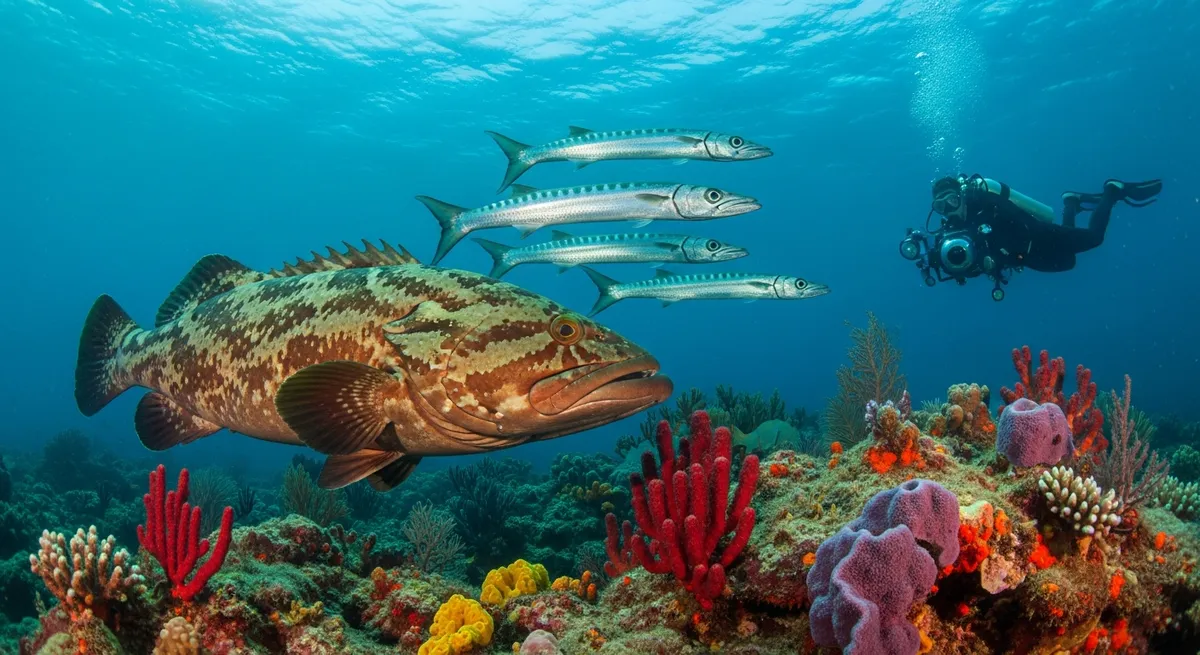
Cabo de Palos, particularly the Islas Hormigas marine reserve, delivers some of the most dynamic diving in the Spanish Mediterranean. We love the dramatic pinnacles, sheer walls, and the way the light filters through the deeper sections. It’s a place where you genuinely feel the Mediterranean pulse, with plenty of schooling snapper often hugging the reefs and even the occasional common smoothhound cruising past. The reserve is well-known for its pelagic action and deep wrecks, but even at shallower depths, the density of marine life is impressive - think ornate wrasse flitting between pink sea fans and playful common dragonets on the sand. We’d suggest heading out early to beat the crowds, especially in summer. Keep an eye out for Rüppell's scaldback lurking in crevices and don’t be surprised if a curious bellowfish eyeballs you from a gorgonian patch. Currents here can be quite strong, particularly around the pinnacles, so it’s not always a gentle drift.
Canary Islands
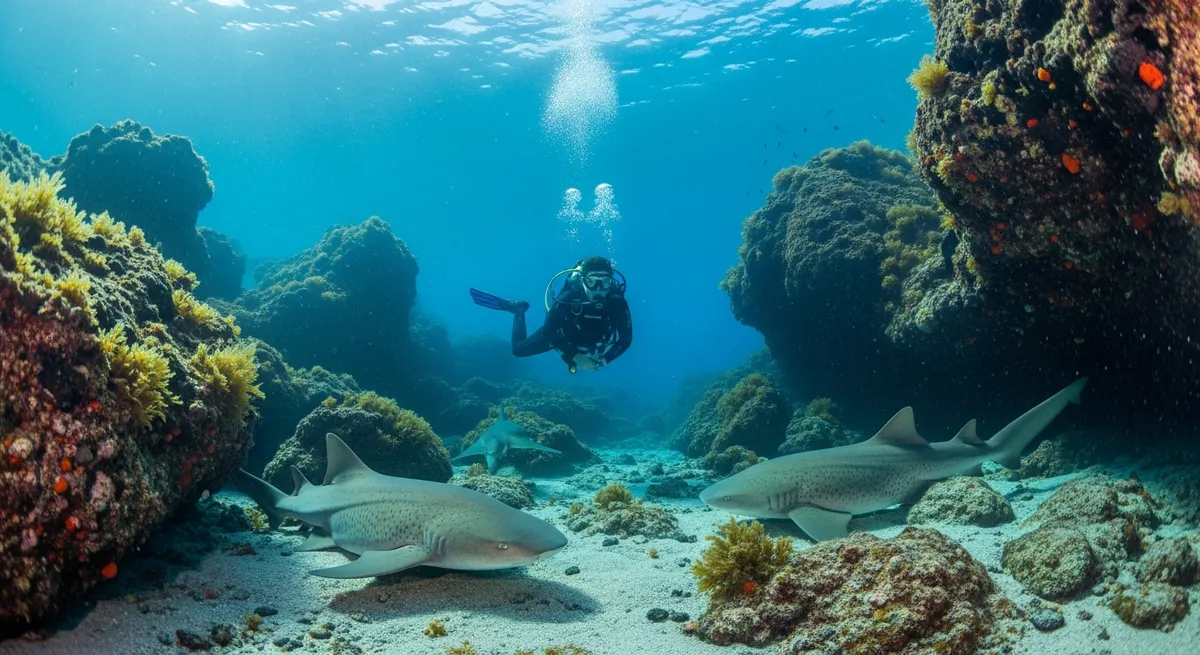
We’ll be honest, when most people think of European diving, the Canaries aren’t the first place that springs to mind. But you’d be missing out. These volcanic islands offer something genuinely different: dramatic underwater architecture carved from ancient lava flows. Think dark, moody caves, swim-throughs, and arches, often with schools of salema or blacktail bream flickering in the shafts of light. Our favourite spots are often the deeper pinnacles, where we’ve regularly encountered squadrons of devilfish cruising past. Keep an eye out for angel sharks, particularly in the sandier patches - they're masters of camouflage, so a good dive guide helps here. We’ve also had some incredible luck with manta rays passing through, though they’re not an everyday sight. The currents can be playful, especially around the exposed sites, so check the conditions before you jump in. We love it for the blend of Atlantic marine life and unexpected tropical visitors, all set against that stunning, otherworldly backdrop.
Costa Brava
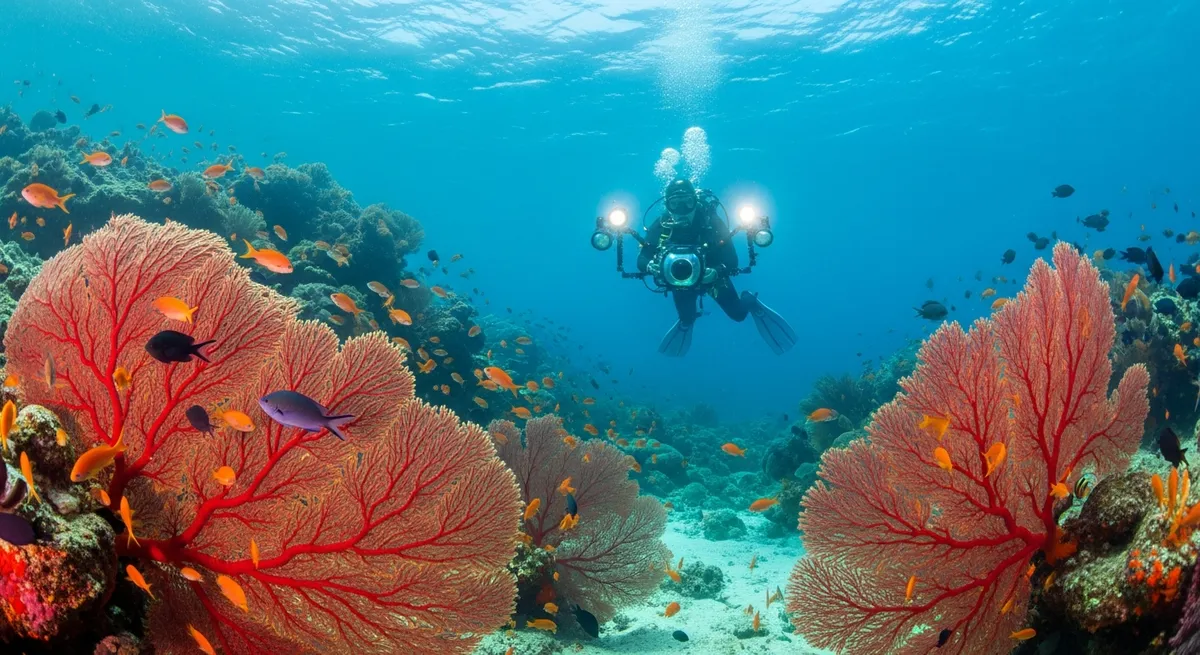
The Costa Brava, a stretch of rugged Spanish coastline, offers a more varied dive trip than some might expect from the Mediterranean. We love the dramatic topography; think sheer walls dropping into the blue and plenty of swim-throughs to explore. Visibility can really impress, especially outside the busy summer months, giving you a clear view of the dense posidonia meadows swaying in the gentle surge. Our favourite spots are definitely around L'Estartit and Roses, where the Medes Islands are a big draw, but don't overlook the mainland for some proper cave diving and unexpected historic finds like old anchors. We’ve finned past schools of axillary sea-bream so thick they almost obscure the light, and spotted shy anglerfish tucked away in rocky crevices. Keep an eye out for loggerhead turtles cruising by, and if you’re lucky, a Blue-white Dolphin on the deeper excursions. The best time to visit is late spring or early autumn; the crowds are thinner, the water’s still warm, and the visibility is often at its prime. Just be prepared for a bit of a chill if you're diving earlier in the year.
El Hierro
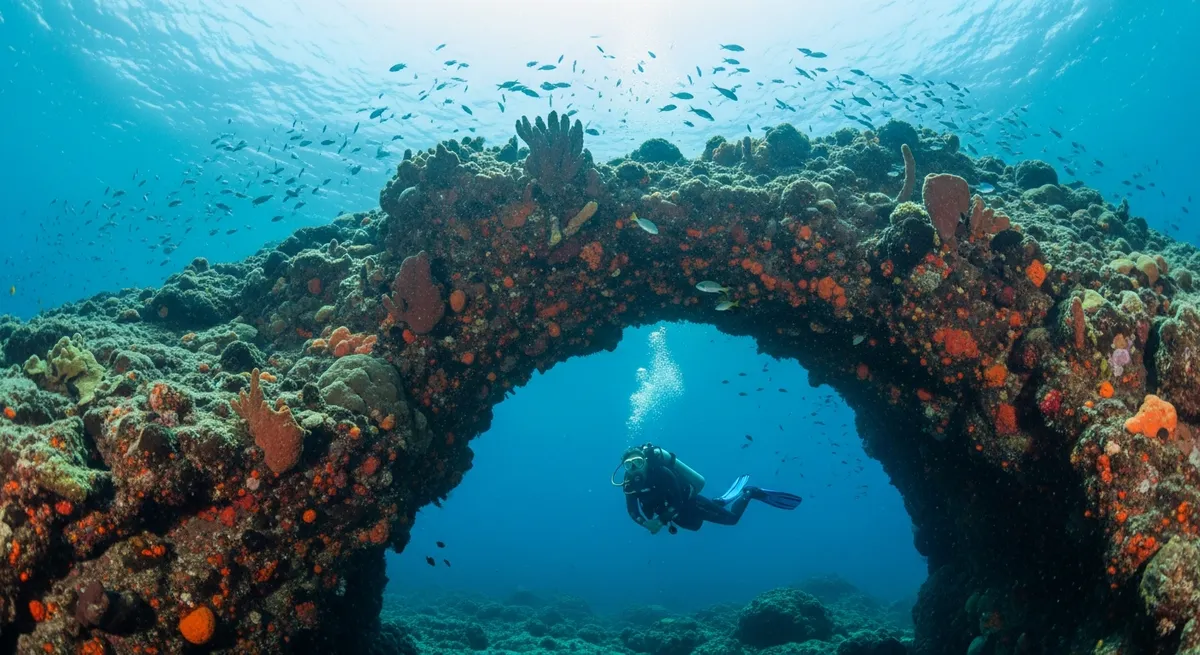
The smallest Canary Island hosts a marine reserve with volcanic topography and exceptional visibility.
Galicia & Atlantic Coast
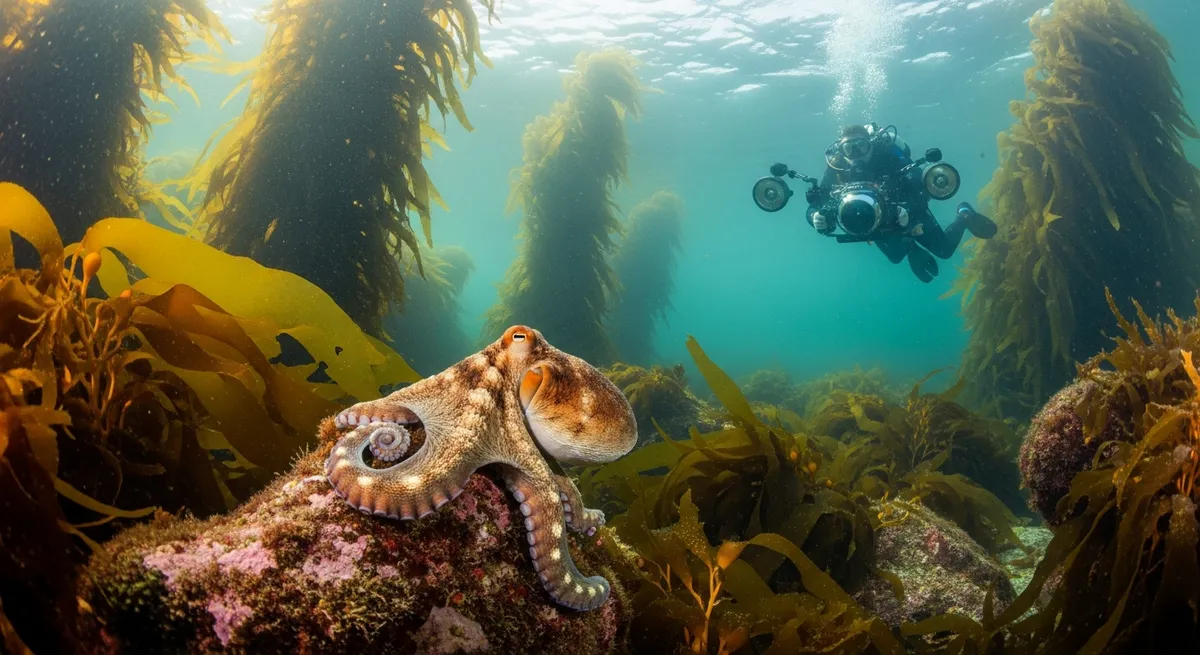
Atlantic cold-water diving with the Rías Baixas estuaries, kelp forests, and the Cíes Islands' marine park. Rich biodiversity where Atlantic meets Mediterranean.
Medes Islands
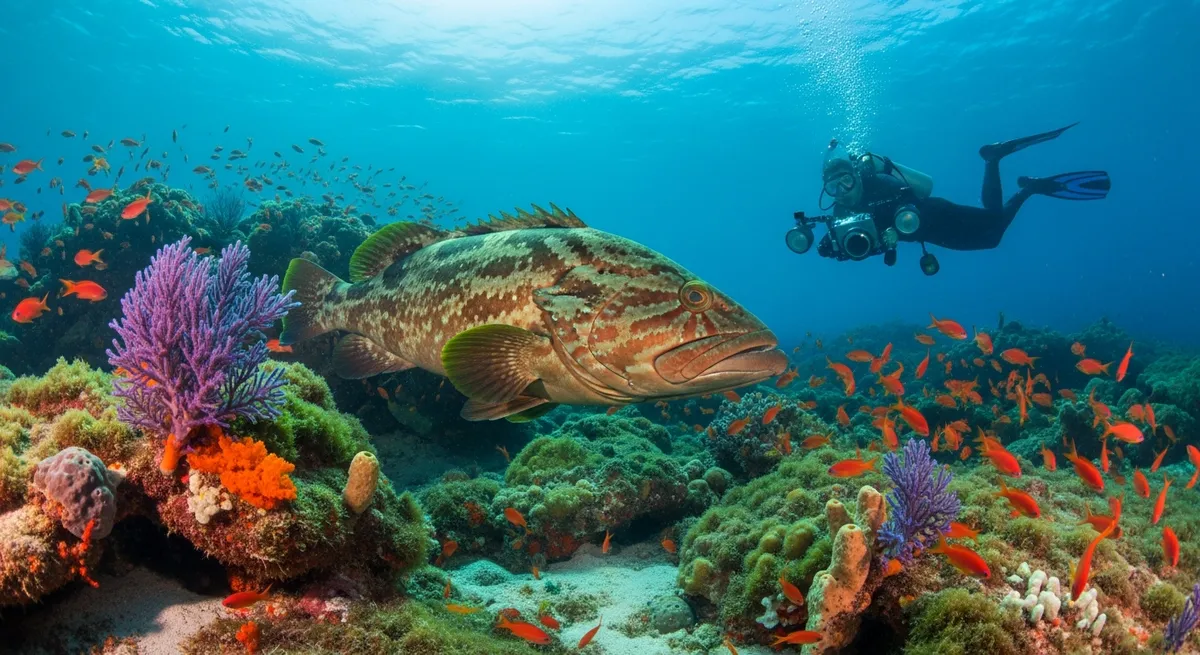
The Medes Islands, just off the Costa Brava, really deliver for Mediterranean diving. We love the sheer density of fish here, a welcome change from some quieter Med spots. Diving around the protected islands means you’re often finning alongside enormous groupers, some so large they barely stir as you pass. Barracuda schools often hang in the blue, catching the light, and octopus seem to peek from every crevice. Our favourite time to visit is late spring or early autumn. The water’s still warm, the crowds are thinner, and the visibility can be absolutely glorious, stretching to 20 metres on a good day. There's a decent chance of spotting a loggerhead turtle cruising past, especially near the deeper walls. Don't miss the chance to explore some of the caves and tunnels; we find the light filtering in creates an ethereal atmosphere. Just keep an eye on the currents, which can pick up a bit around the pinnacles, particularly after a strong easterly wind.
Ocean Wildlife in Spain
253 species recorded in Spain
Spain Visa Requirements
Check if you need a visa to dive in Spain
Plan & book
Ways to dive Spain, from day trips to liveaboards.
Day trips & courses
via GetYourGuideGuided dives, courses and snorkel trips with instant booking.
Find dive trips in SpainPlaces to stay
via Booking.comHotels and dive resorts near Spain.
Search stays in SpainDive insurance
Most travel insurance excludes or limits scuba. Check what you need before you go.
Dive insurance explainedPartner links: we may earn a commission if you book, at no extra cost to you. How we make money